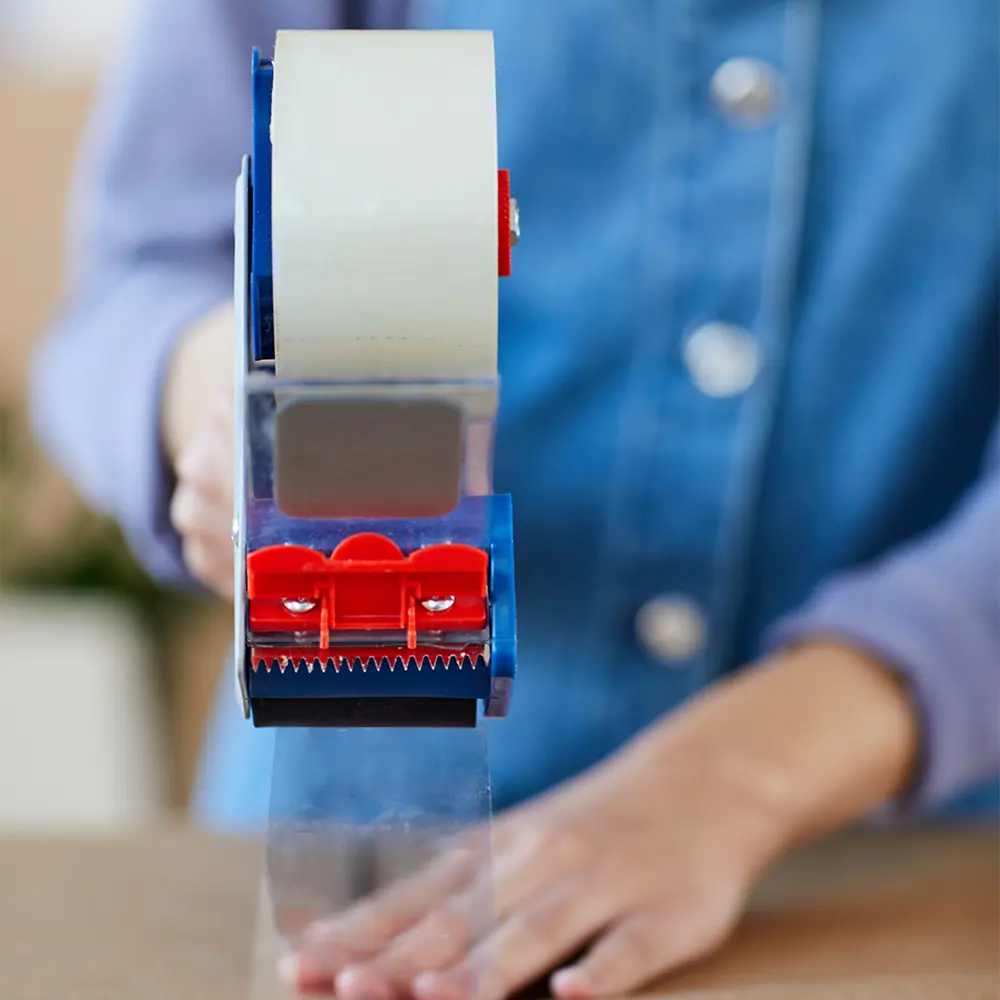
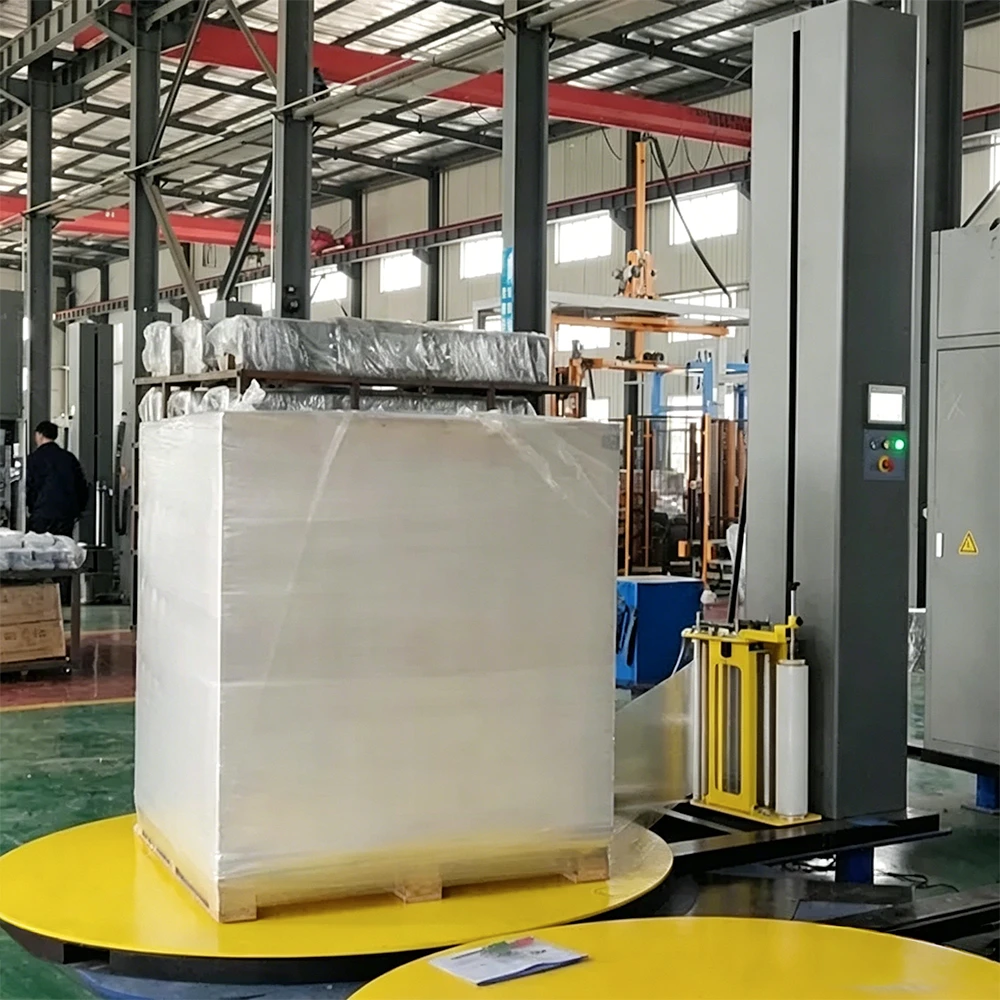
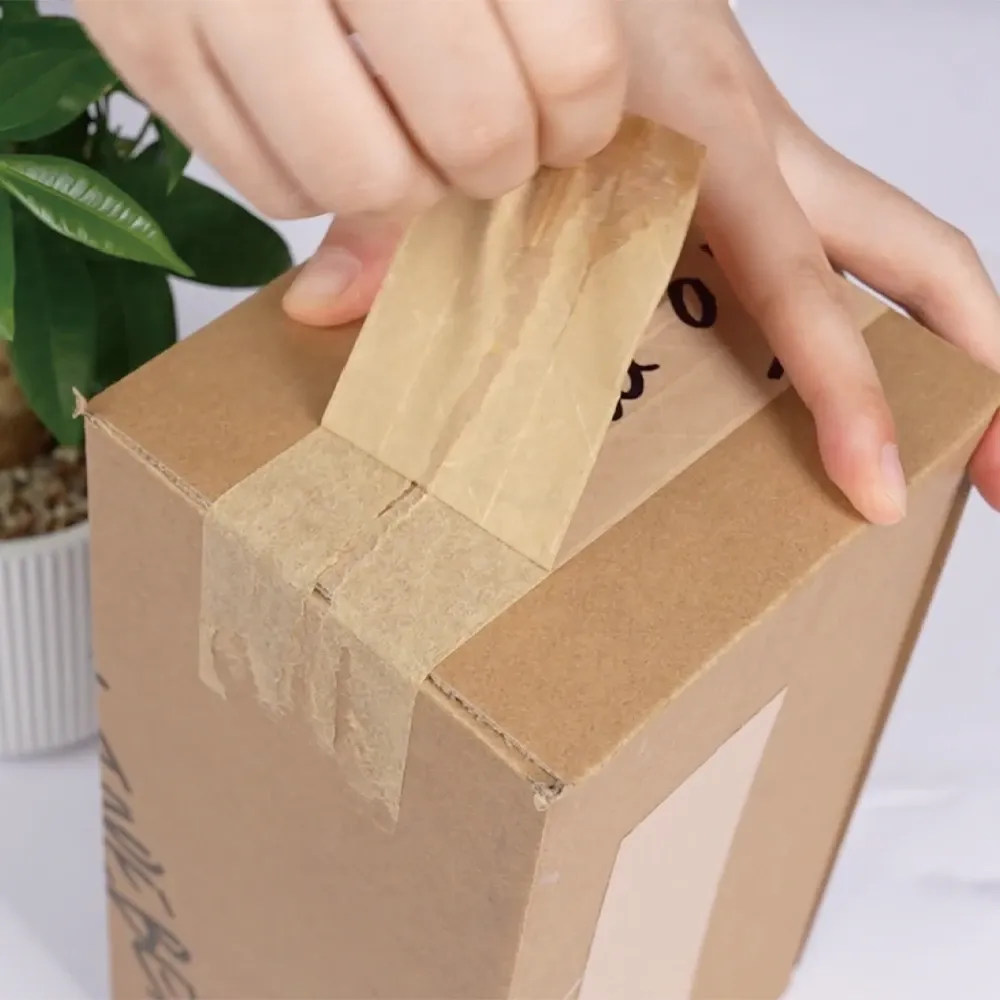
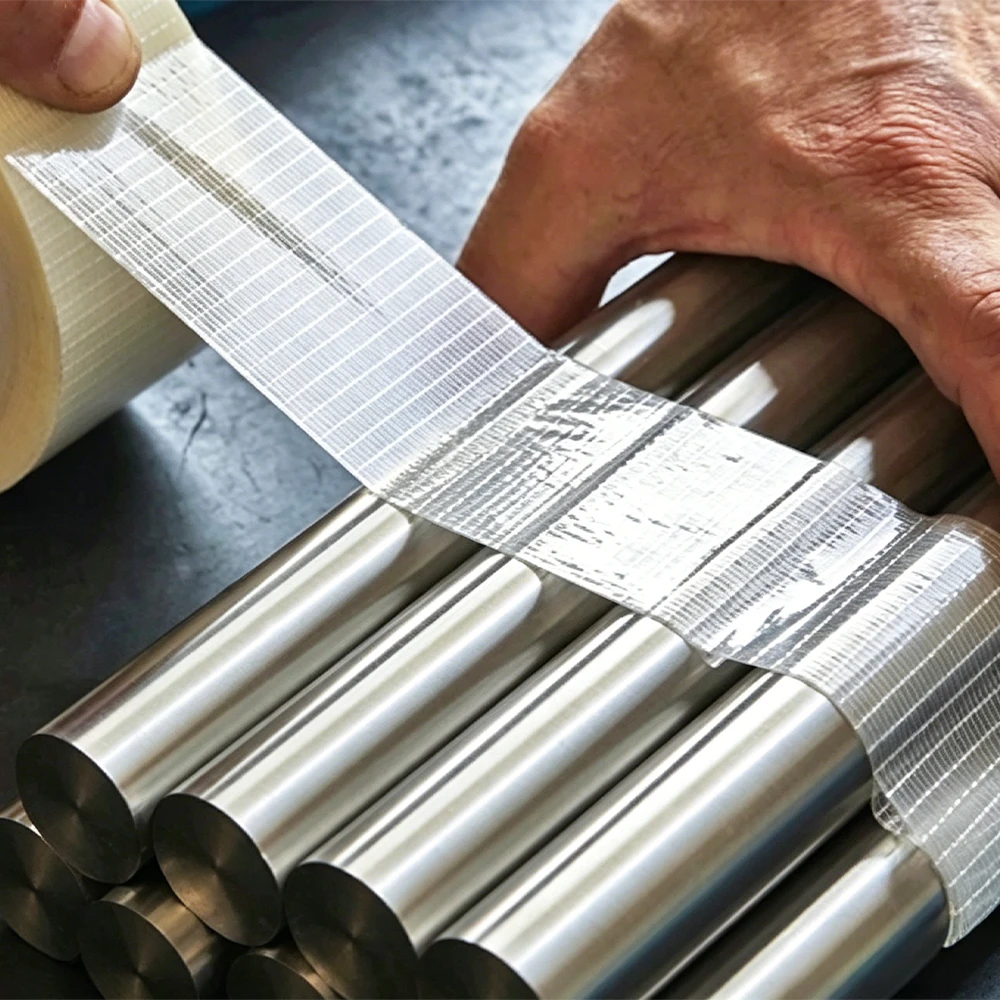
Secure and Environmentally FriendlyHelp your customers achieve secure sealing, efficient packaging, sustainable performance and customized solutions—with materials matched to different carton surfaces, application methods and recycling requirements.
Reliable solutions for everyday carton sealing, bundling and general-purpose packaging applications.
E-commerce & Logistics
Secure sealing and dependable protection for parcels and cartons throughout warehousing, handling and delivery.
Heavy-duty Packaging
High-strength solutions for reinforcing and securing heavy cartons, bulky goods and demanding industrial shipments.
Shipping & Transit Packaging
Reliable bundling, sealing and protection for goods during storage, transportation and long-distance shipping.
Palletizing & Load Securing
Stable load containment and protection for palletized goods throughout storage, handling and transit.
Automated Packaging
Consistent performance for high-speed and automated packaging lines, helping improve packing efficiency and productivity.
Sustainable Packaging
Paper-based and environmentally conscious solutions designed to support recyclable and lower-impact packaging.
01
Converting Capabilities
YG Group’s integrated manufacturing chain provides materials, semi-finished products and finished tapes to match your coating, slitting or distribution capabilities. Customized specifications and packaging let you source at the appropriate production stage and organize purchasing and delivery around your operation.
02
Secure Sealing
Different carton surfaces, package weights and handling conditions place different demands on sealing. YG Group selects and adjusts acrylic and hot melt adhesives and water-activated systems, matching tape construction and strength to support adhesion, holding performance and package integrity during handling and transport.
03
Efficiency & Compatibility
YG Group offers tape options and customized roll specifications for manual application, handheld dispensers and automated sealing lines. We match equipment, unwinding, cutting and continuous-operation requirements to help you evaluate suitable products for different downstream packing processes.
04
Sustainability
From conventional clear packaging tapes to selected biodegradable kraft paper constructions, YG Group offers options for different end-market sustainability and sealing requirements. Product documentation supports material selection, helping you adapt your range within one supply relationship.
05
Consistency
Adhesion can vary with temperature, humidity, surfaces and application conditions. Keep YG Group informed of downstream conditions and changes so we can match adhesive systems and specifications, refining solutions through sample evaluation to support consistent sealing performance.
06
Printability & Branding
Unclear graphics, poor ink adhesion or surface wear can affect branded packaging. YG Group matches printable BOPP or kraft paper tape constructions to your printing process and specifications, using sample evaluation to confirm print quality and suitability for the intended packaging application.
BOPP Packing Tapes
For everyday carton sealing and packing, with options for manual application, handheld dispensers and automated sealing lines.
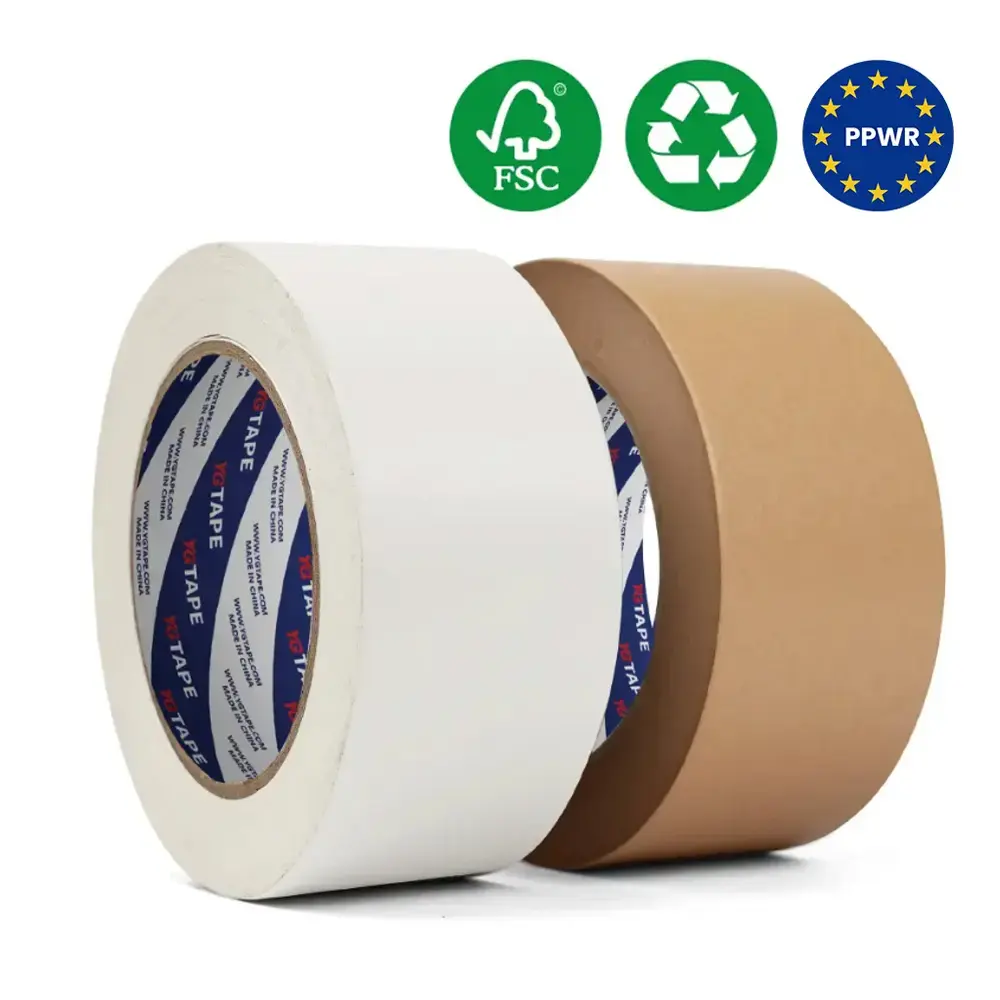
When customers want to reduce conventional plastic-film components in carton packaging, tape construction matters. YG Greenflat combines anti-seepage kraft paper with solvent-free acrylic pressure-sensitive adhesive, without conventional PE film lamination. It supports direct sealing without water activation and offers a paper-oriented option for evaluating sealing performance and repulpability.
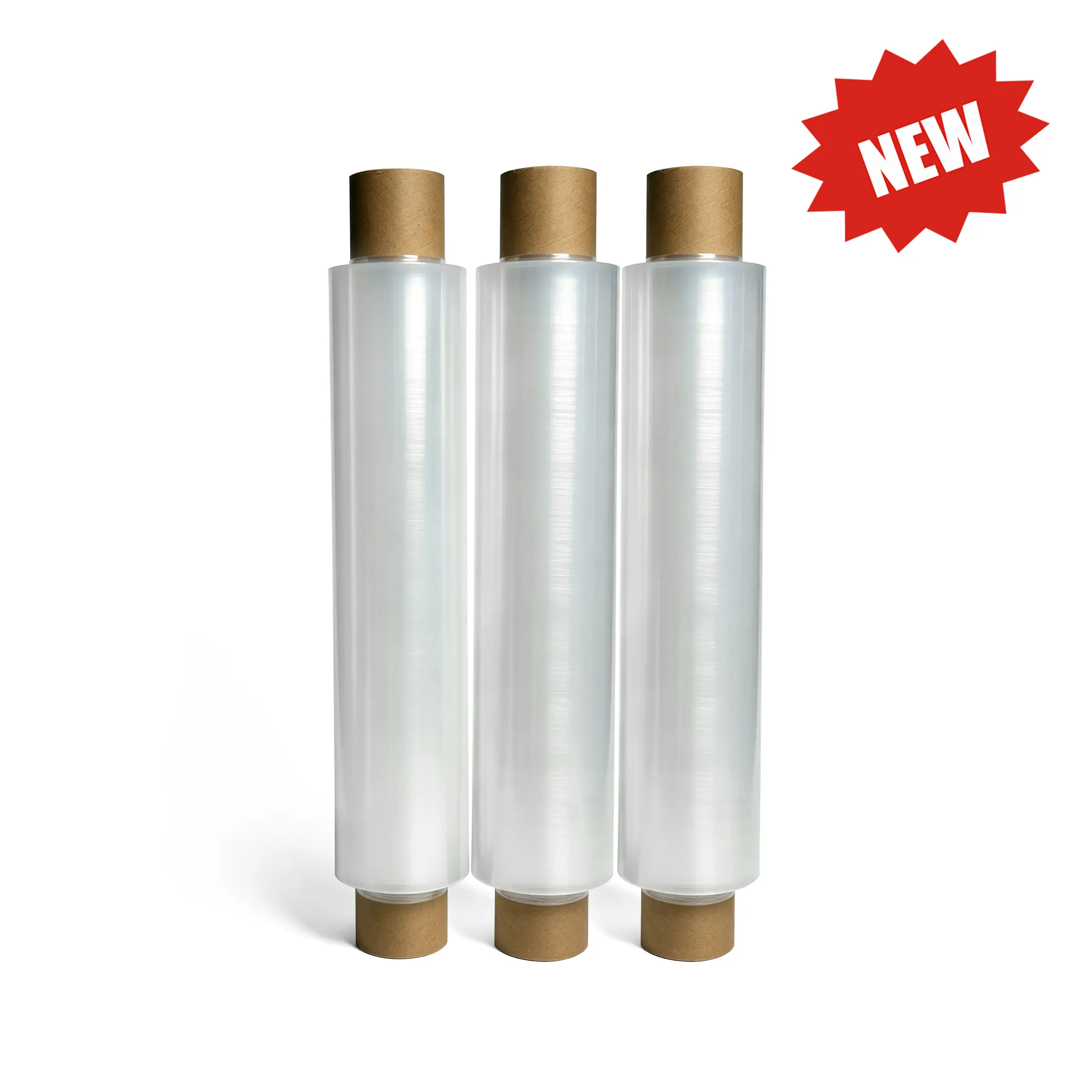
Repeated hand wrapping can demand substantial effort and produce varying results between operators. YG’s five-layer co-extruded LLDPE film is pre-stretched during manufacturing, requiring less manual stretching and lower application tension. Its resistance to neck-in helps maintain usable film width, offering an alternative for customers seeking easier, more consistent manual wrapping.
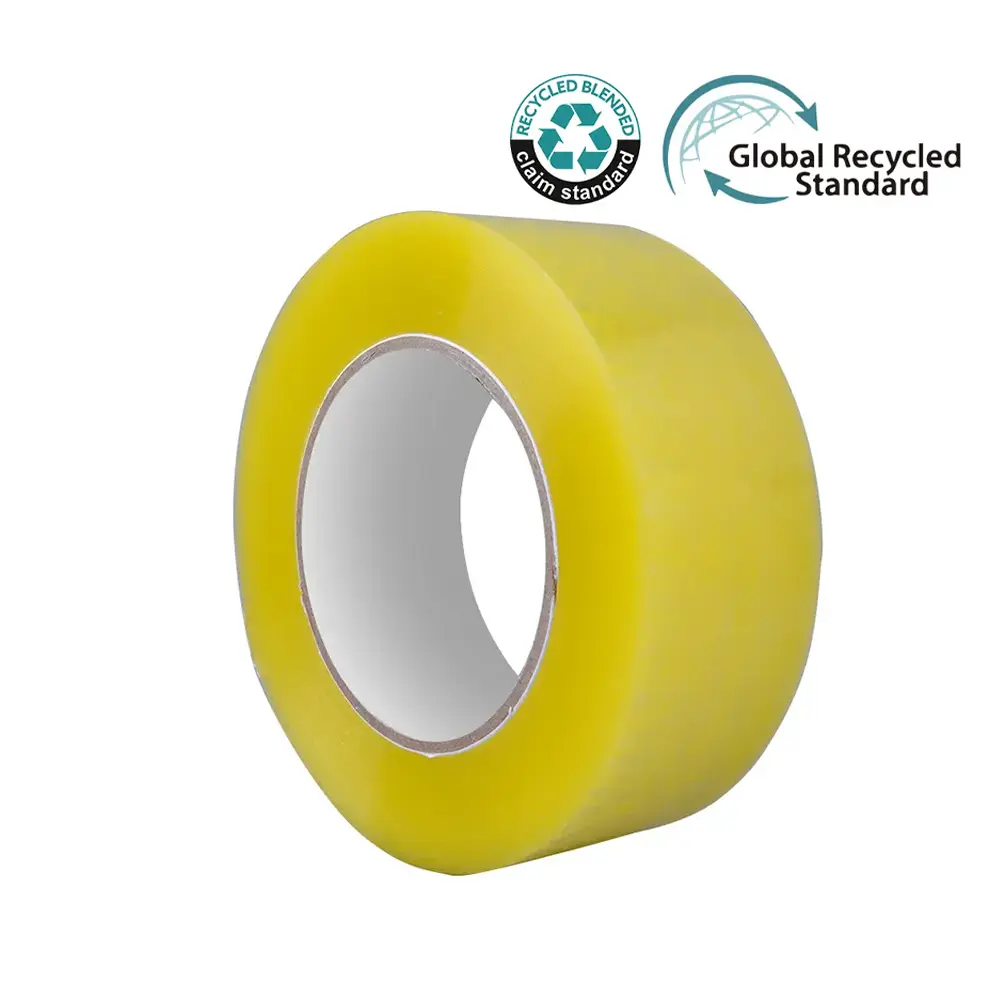
For customers seeking to reduce virgin plastic use while retaining familiar carton-sealing operations, YG Recycled BOPP Tape combines recycled polypropylene film with water-based adhesive. It provides a recycled-content option for your packaging range, with grade-specific documentation and measurable adhesion and mechanical properties to support evaluation.
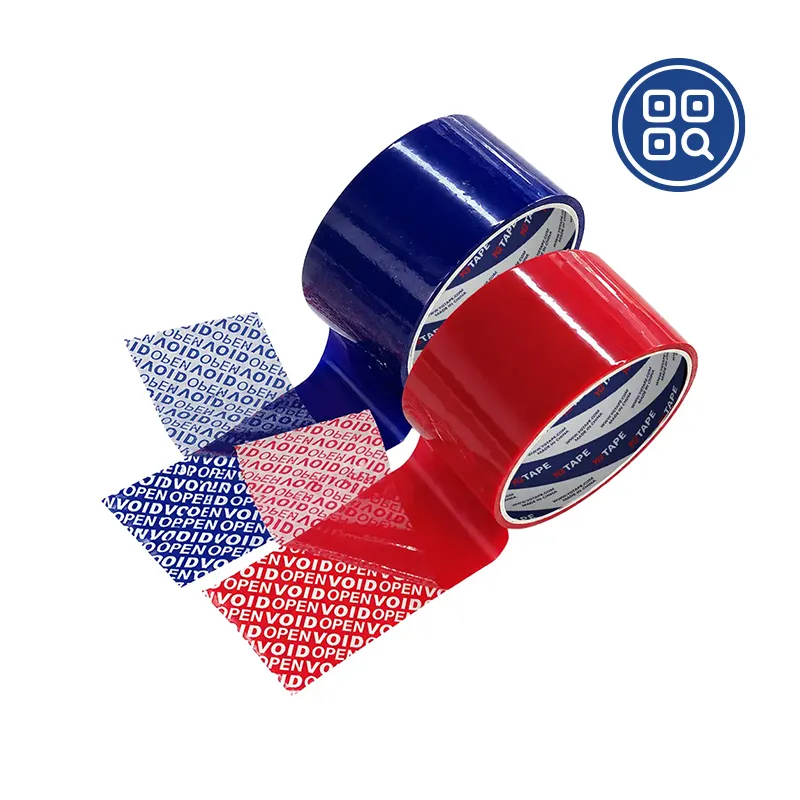
For e-commerce, electronics and logistics packaging, a closed carton alone may not reveal whether it has been opened. YG Tamper Evident Tape combines PET backing with a security release structure that reveals VOID messages or customized patterns after removal. Transfer options and printing customization help you match different downstream inspection and branding requirements.
Which material should I choose for my packaging requirements?
Consider BOPP tape for general carton sealing, self-adhesive or water-activated kraft paper tape for paper-based sealing, fiberglass-reinforced tape for high-strength bundling and reinforcement, and stretch film for pallet wrapping and load unitization. Confirm suitability through trials based on package weight, surfaces, equipment and operating conditions.
How should I communicate my own or my customers’ customization requirements to YG?
Share the application, current product and required improvements, together with target performance, dimensions, processing equipment and operating conditions. Specify jumbo or finished rolls and any printing, core or packaging requirements. If specifications are incomplete, provide current samples or actual packaging materials to support evaluation and sampling discussions.
How should jumbo rolls and finished products be stored, and what is their shelf life?
Store products at 15–30°C (59–86°F) with relative humidity below 70%, protected from direct sunlight and moisture. Keep protective packaging in place and prevent crushing or impact damage. Shelf life is 12 months from the date of manufacture when stored and transported under the recommended conditions.
What key conditions should be controlled when slitting jumbo rolls?
Inspect roll edges, roll shape and material surfaces before processing, and confirm core, target width and equipment compatibility. Set unwind tension, rewind tension and speed for the material construction. Keep blades sharp, rollers clean and the web aligned. Validate dimensions, cut quality and winding performance through a trial run, then record suitable settings.
What should we check if slitting or rewinding causes adhesive bleed, roll deformation or unstable unwinding?
Compare the original roll with converted samples to establish whether the issue existed before processing. For adhesive bleed, review winding pressure, tension and temperature. For roll deformation, check cores, alignment and tension distribution. For unstable unwinding, inspect roll shape, winding tightness and equipment resistance. Change one condition at a time and compare results.
How should we investigate rough slit edges or surface damage?
Inspect the corresponding area of the original roll to distinguish existing damage from processing damage. For rough edges, check blade sharpness, adhesive buildup, positioning and cutting engagement. For surface damage, inspect rollers, contact surfaces, contamination, web alignment and tension. Retain affected samples and record defect locations and processing settings.
Why can tape lift or seals fail even when peel adhesion meets the specified value?
Peel adhesion is measured on a specified substrate under defined conditions and does not alone establish sealing performance. Check carton coatings, dust, texture, application contact and flap spring-back, together with sealing and subsequent storage conditions. Test on actual cartons before adjusting the adhesive system, tape construction or application process.
Does uneven bonding of water-activated kraft tape indicate insufficient adhesive coating?
Uneven bonding may also result from inconsistent wetting, adhesive buildup on brushes, delayed application, insufficient contact pressure or an unsuitable carton surface. First check adhesive activation, dispenser wetting and application contact, then assess tape and carton samples alongside coating measurements to determine the cause.
Can we simply reduce tension when stretch film breaks frequently?
First inspect roll-edge damage, film defects, sharp load edges and roller contact surfaces, and confirm that the film suits the equipment’s pre-stretch requirements. Reducing tension may decrease breaks but also reduce containment force. Revalidate film layers, overlap and overall load stability after handling whenever settings change.
What information should we provide to YG when reporting an application or quality issue?
Provide the product code, batch, specifications, photos or videos, and details of the affected process, frequency, equipment settings and environmental conditions. Retain unconverted and converted samples, actual application materials and, where available, a known-performing reference sample so YG can assess material, converting and application factors under comparable conditions.
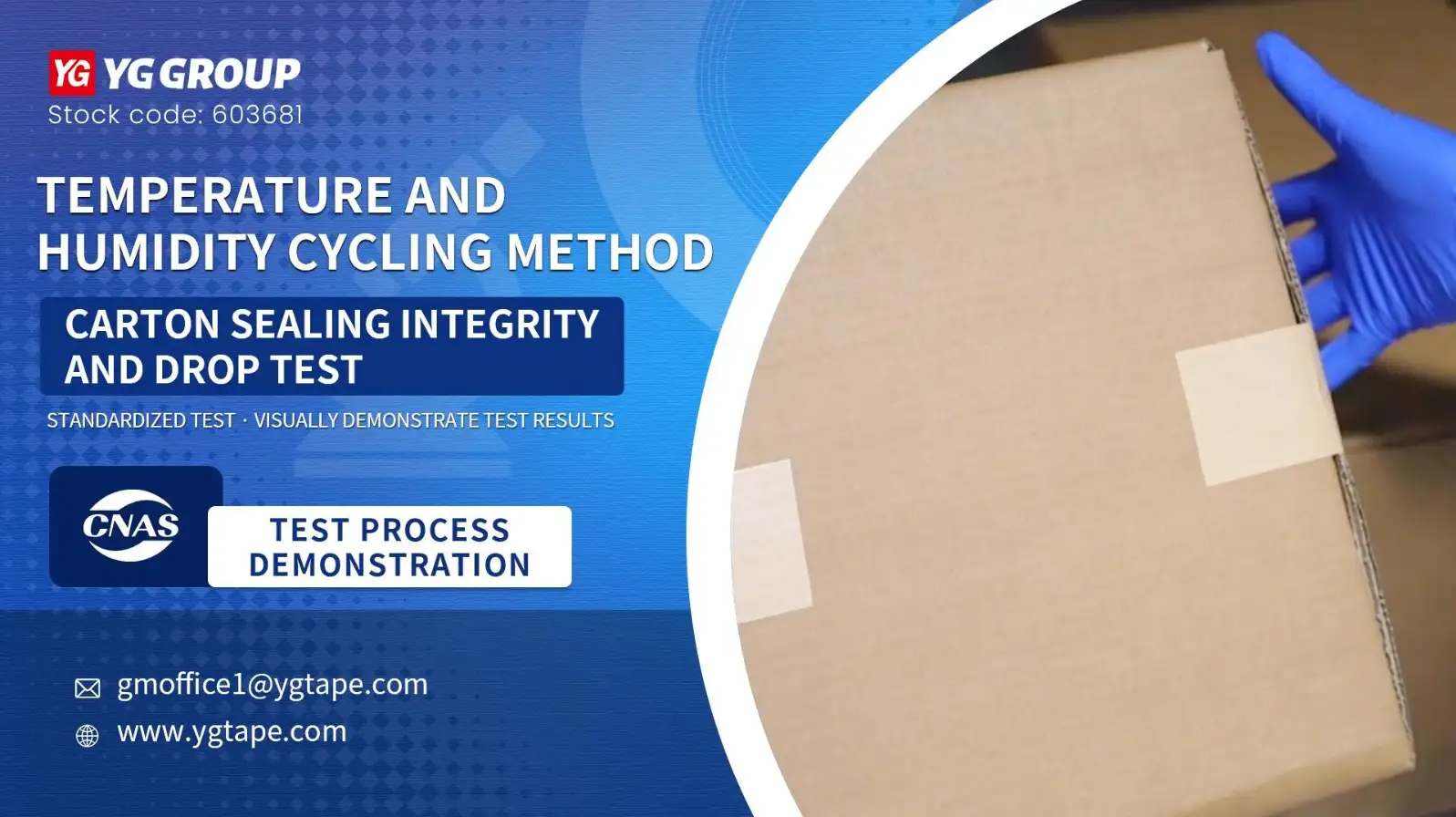
Kraft Paper Tape Carton Sealing Test: 72-Hour Cycling & Drop Test
A kraft paper tape carton sealing test shows how a sealed carton responds to environmental changes and impact. During shipping, cartons may face heat, humidity, cold, and accidental drops. Therefore, buyers should assess more than initial tape adhesion.
YG Group's laboratory evaluation combines temperature and humidity cycling with carton drop testing. The test includes three environmental cycles over 72 hours. It also uses a selected drop height of 760 mm.
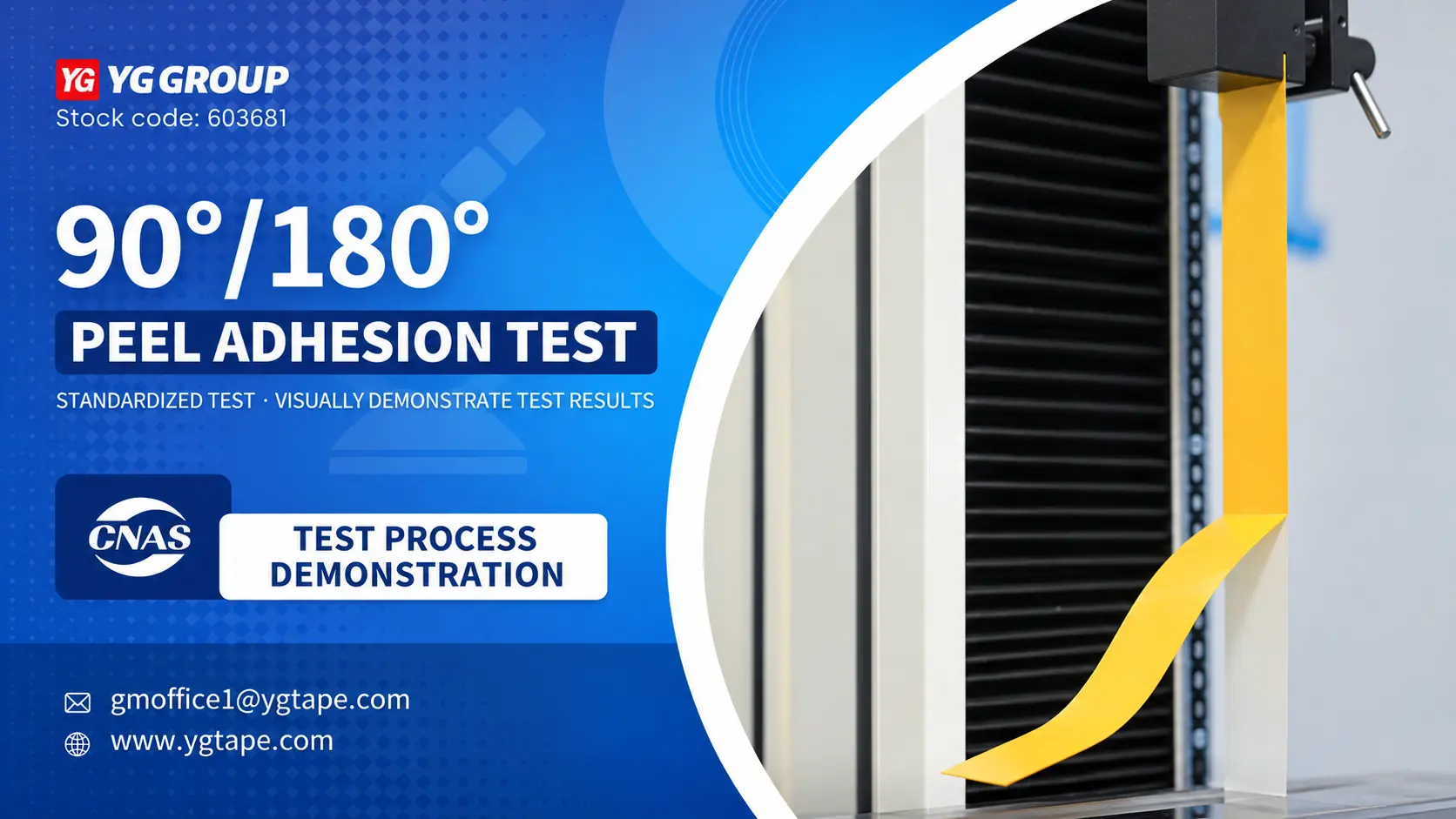
How strong is the bond between adhesive tape and a surface?
An adhesive tape peel strength test measures the force needed to remove tape from a bonded surface. It helps evaluate the bonding performance of pressure-sensitive adhesive tapes.
Two common configurations are 90° and 180° peel tests. However, they use different peeling angles and test setups.
YG Group demonstrates both methods using a tensile testing machine. This guide explains the test principles, laboratory procedures and key factors affecting peel strength.
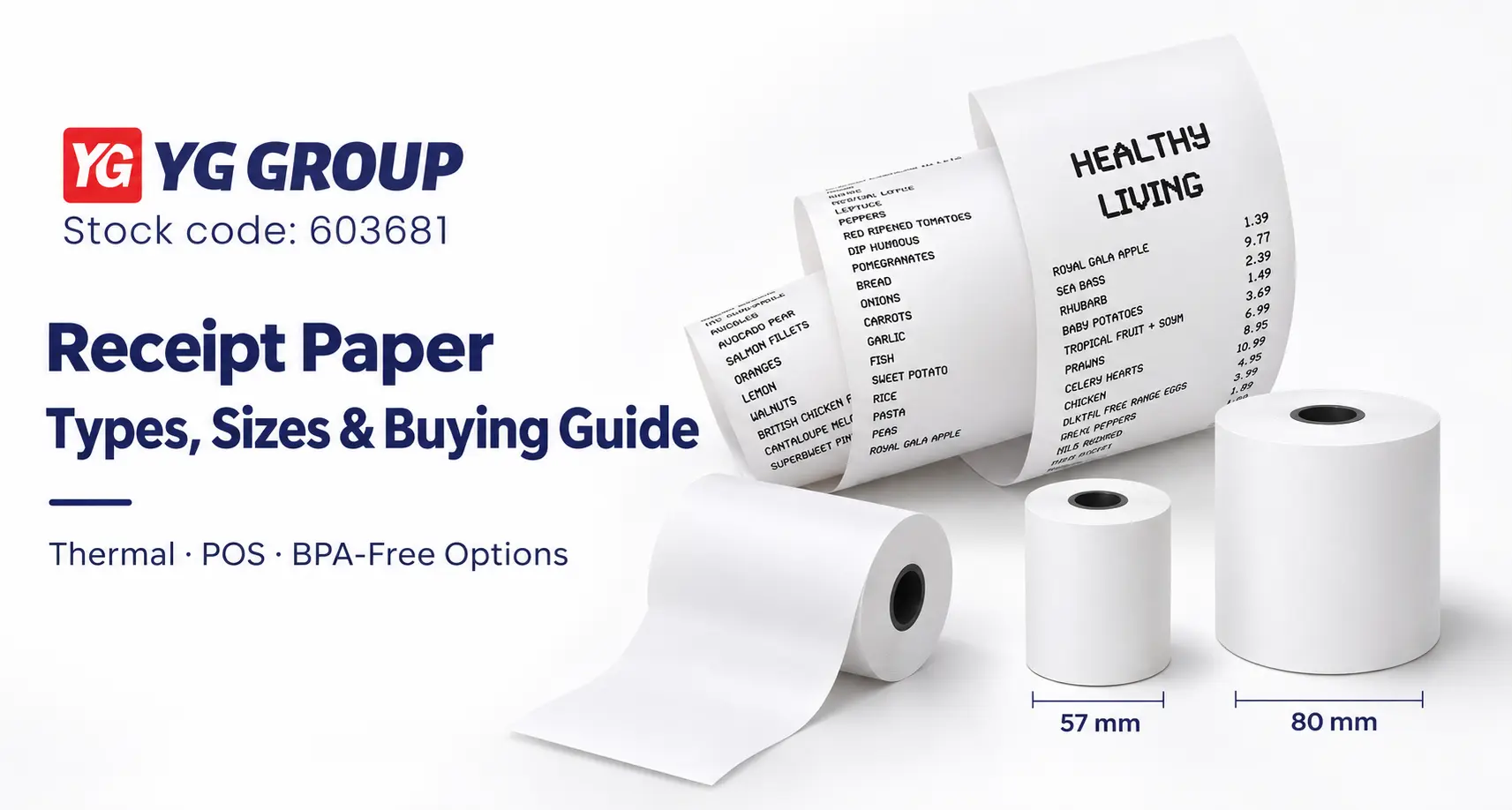
Receipt paper is used in retail stores, restaurants and payment systems every day.
However, not every receipt paper roll fits every printer.
Thermal receipt paper is widely used in modern POS and cash-register systems. It prints through heat, so it does not need ink or ribbons.
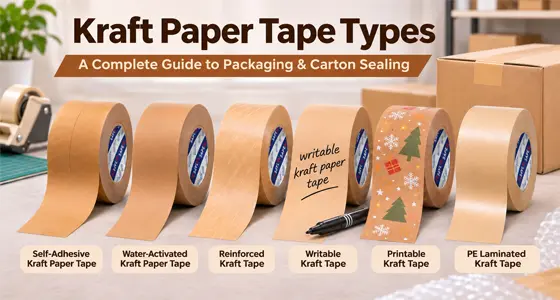
Kraft Paper Tape Types: A Complete Guide to Packaging and Carton Sealing
Kraft paper tape is widely used for carton sealing, packaging, e-commerce boxes and shipping cartons.
However, kraft paper tape is not one single product type.
Some tapes are self-adhesive and can be applied directly. Others are water activated and require moisture before bonding.
Some use a standard kraft paper backing. Others add fiber reinforcement for higher mechanical strength.
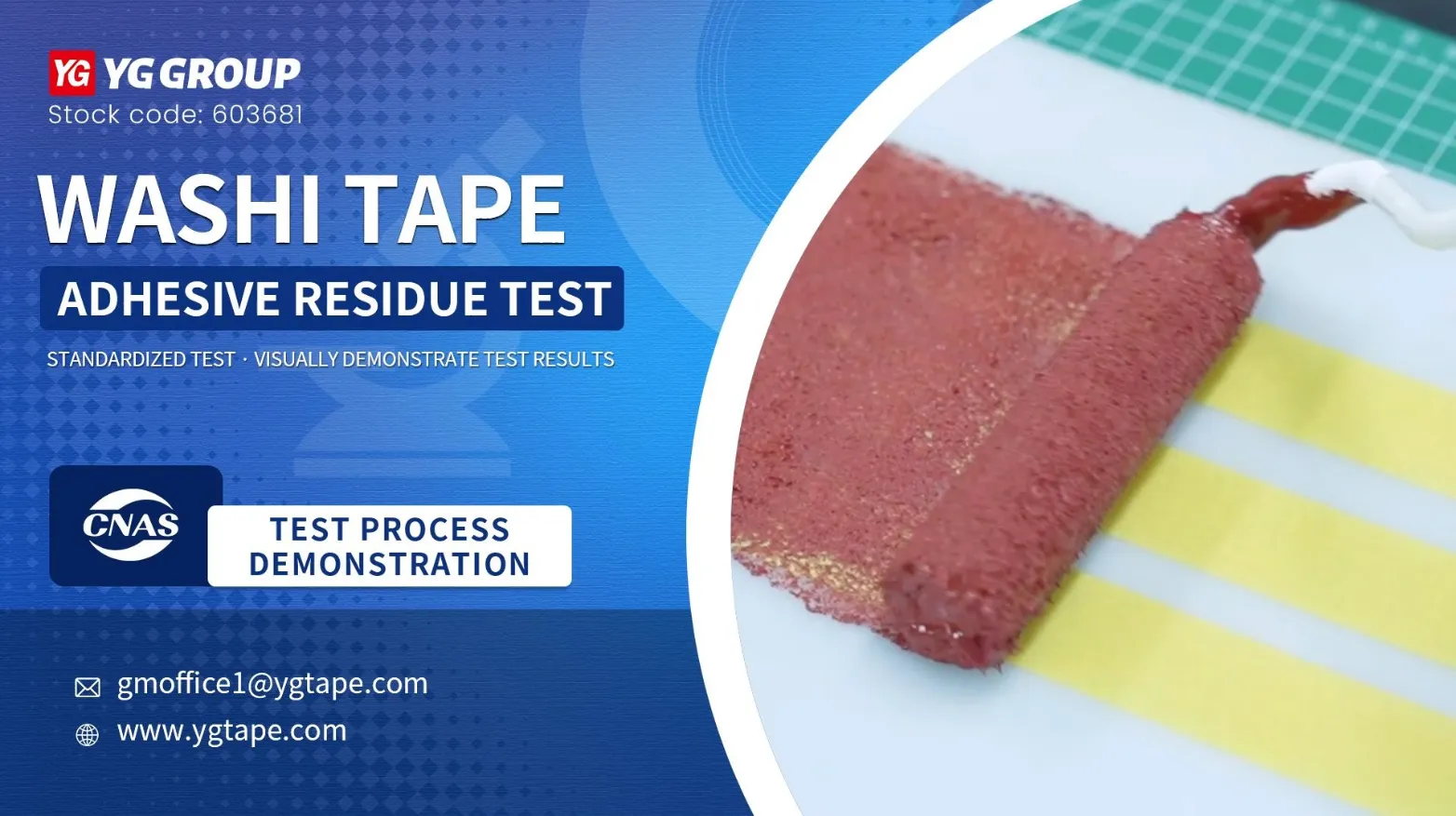
How We Test Washi Tape for Clean Removal on Different Surfaces
Does washi tape leave adhesive residue after removal?
It can, depending on the substrate, paint or coating, dwell time, UV exposure and removal conditions.
For masking and painting, tape needs to hold securely during use. It should also remove as cleanly as possible afterward.
YG Group tests washi tape under different surfaces and exposure conditions to evaluate:
YG Group Jiangxi Base Included in 2026 Excellent-Level Smart Factory Publicity List
YG Group has reached a new milestone in smart manufacturing.
In October 2026, Jiangxi Yongguan Technology Development Co., Ltd. was included in China's publicized list of proposed 2026 Excellent-Level Smart Factory projects.



 01