

How to Choose a Tamper-Evident Security Label



A tamper-evident label may look normal after application. Its security function becomes visible when someone tries to remove it.
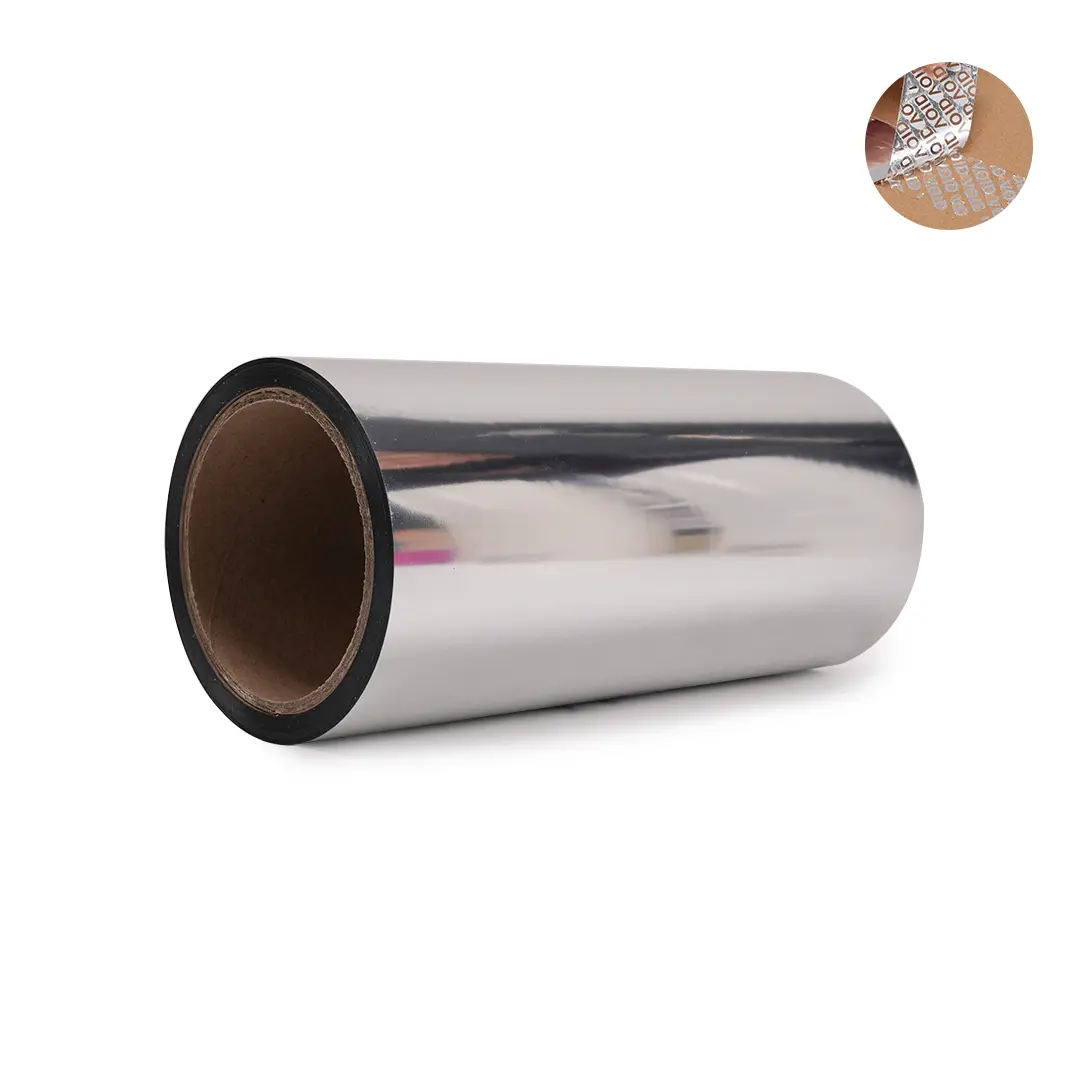
Depending on the construction, the label may leave adhesive residue, reveal a VOID message, transfer a security pattern or break into pieces.
When sourcing custom tamper-evident labels, buyers should confirm the required removal result, application surface, printing, dwell time and application method.
A tamper-evident label helps reveal attempted opening or removal. It does not make a package impossible to access or authenticate a product by itself.
Quick Answer
A tamper-evident label is a pressure-sensitive security seal designed to show visible evidence after removal or disturbance.
The right construction depends on the substrate, required security evidence, acceptable surface marking, service environment and labelling method.
What Is a Tamper-Evident Label?
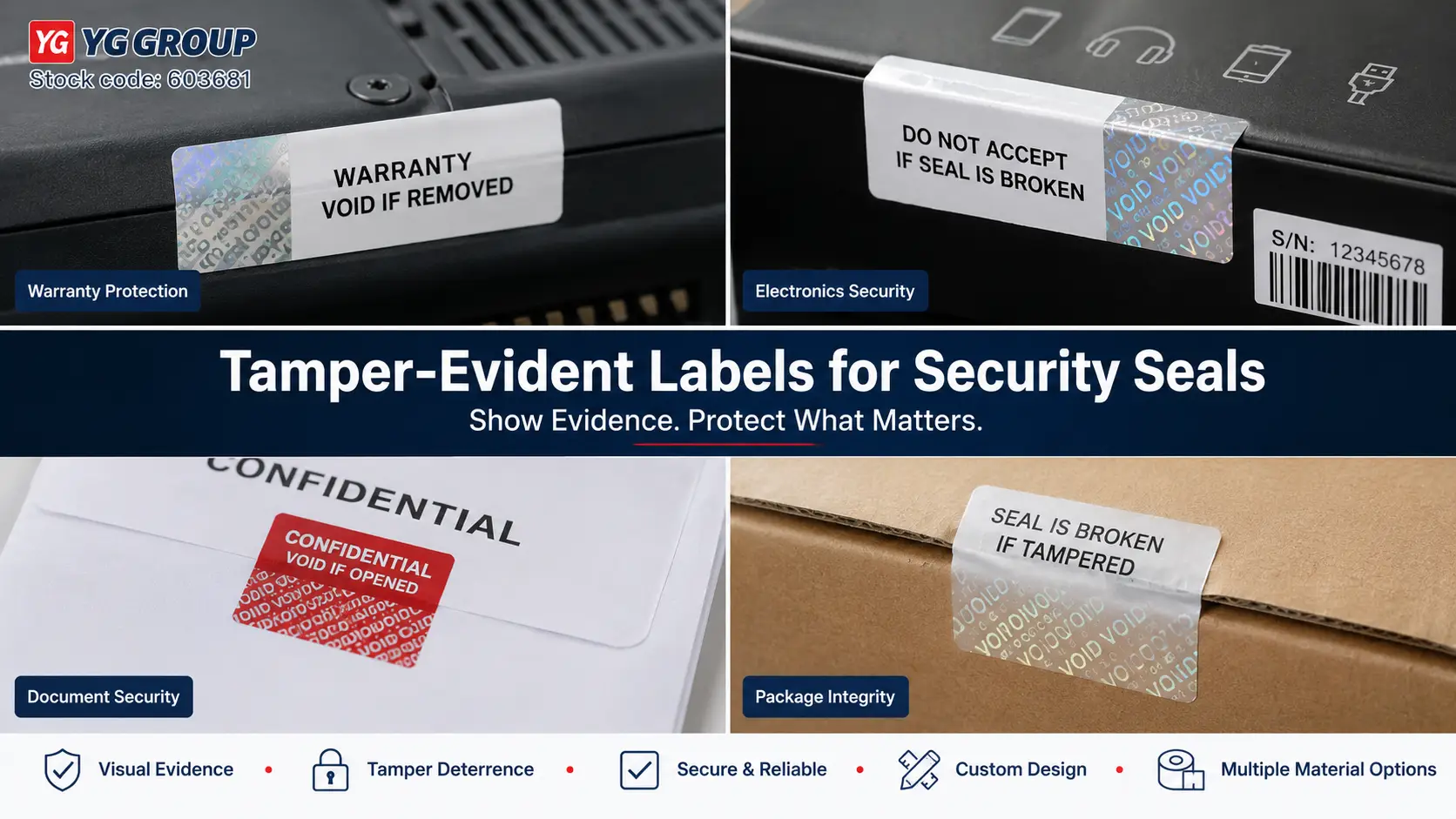
Tamper-evident labels help identify possible unauthorized opening, replacement or removal.
Common applications include:
- Warranty seals
- Certificate and confidential document seals
- Electronics and equipment seals
- Packaging and carton openings
- Bottle and container closures
- Valuable-item and asset labels
When removal is attempted, the label creates a visible change that is difficult to return to its original condition.
Tamper evidence and product authentication are not the same. Authentication may require serial numbers, QR codes, variable data or other verification features.
Food, pharmaceutical and healthcare applications may also have specific packaging, hygiene or regulatory requirements.
How Does a Tamper-Evident Security Label Work?
Tamper-evident labels use different security constructions.
Depending on the selected product, the structure may include:
- A printable facestock
- A pressure-sensitive adhesive
- A transfer layer
- A hidden security pattern
- A destructible material
- A standard or customized security message
When removal is attempted, the label may leave residue, separate into layers, reveal a message or break into pieces.
The result depends on the label construction, substrate, application pressure, dwell time and service environment.
YG Group's Standard Tamper-Evident Label
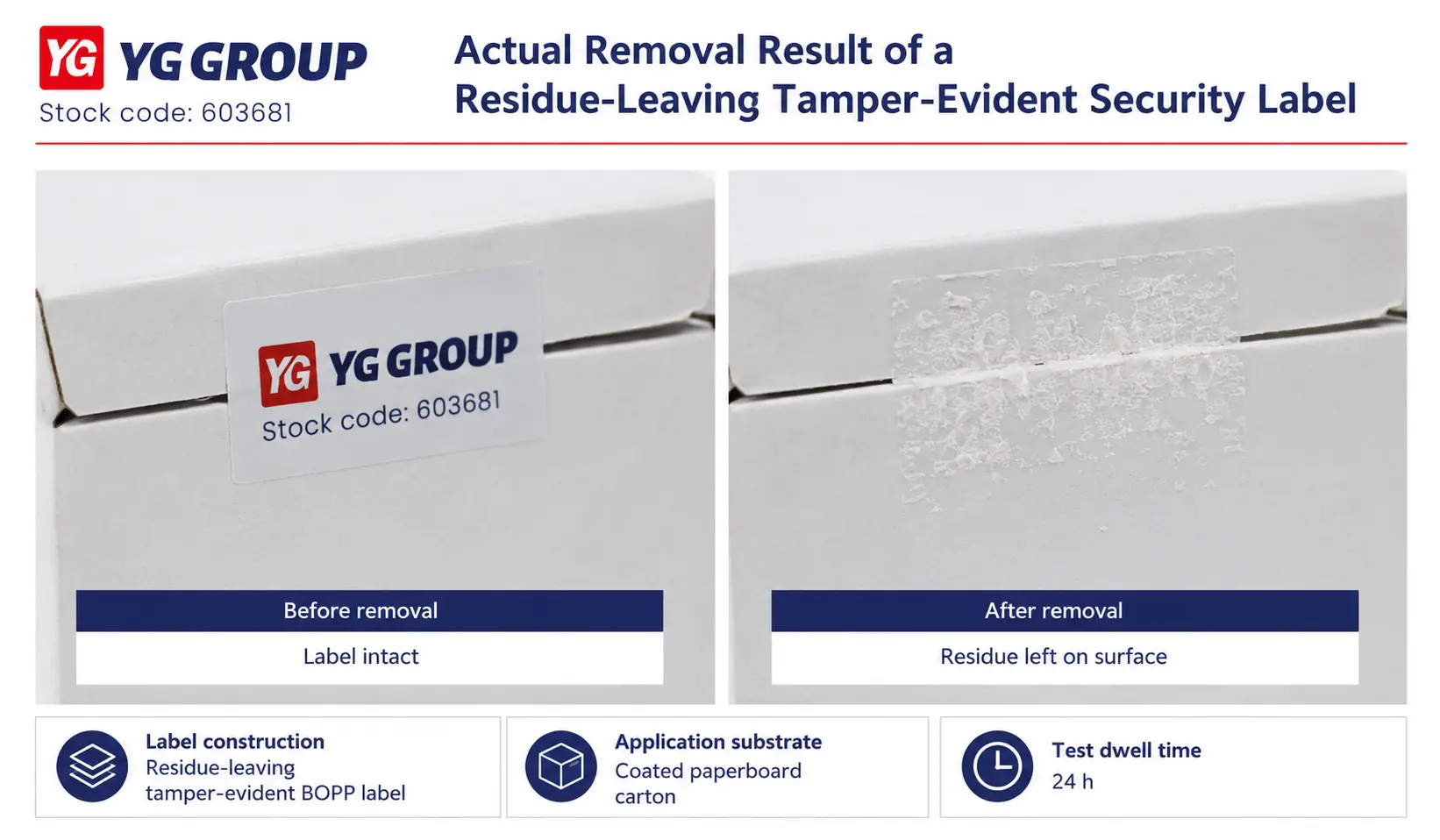
YG Group's standard tamper-evident label uses a BOPP film facestock combined with water-based adhesive.
It is designed to leave visible residue after removal. The printable BOPP surface supports clear security and identification information.
Common applications include:
- Tamper-evident security labels
- Warranty and certificate seals
- Confidential document seals
- Valuable-item labels
Other removal effects, such as VOID transfer, non-transfer or facestock destruction, depend on the selected customized construction and technical feasibility.
Types of Tamper-Evident Security Labels
The table below compares common market constructions. It does not mean that every construction is available as a standard YG Group product.
Transfer type and facestock behaviour are separate design choices. Total-transfer, partial-transfer and non-transfer describe how the security pattern behaves. Destructible describes how the facestock breaks.
| Construction | Removal result | Surface marking | Best considered when |
|---|---|---|---|
| Total transfer | Most of the security pattern transfers to the surface | High | A defined message should remain on the package |
| Partial transfer | Evidence appears on the label and surface | Medium | Both sides should show removal |
| Non-transfer | The message mainly appears inside the label | Low | Reduced package marking is preferred |
| Destructible | The facestock tears or breaks | Depends on adhesive | Clean removal and reuse should be difficult |
| Adhesive-residue label | Adhesive residue or a visible mark remains without necessarily forming a VOID message | Medium to high | Visible removal evidence is required |
Product terminology and removal results may vary between suppliers. Buyers should confirm the expected result through samples rather than rely only on the product name.
Tamper-Evident vs. Tamper-Proof
A tamper-evident label shows that a seal has been disturbed.
A tamper-resistant system is designed to make unauthorized access more difficult.
A pressure-sensitive security label alone should not normally be described as completely tamper-proof. Higher-security applications may combine it with serial-number tracking, QR-code verification, holographic elements or mechanical protection.
Which Surfaces Are Suitable for Tamper-Evident Labels?
Tamper-evident labels may be applied to glass, metal, PET, ABS, PE, PP, coated paperboard and corrugated cartons.
However, one adhesive will not perform equally on every surface.
PE and PP are low-surface-energy plastics. Rough cartons provide less adhesive contact than smooth coated surfaces. Curved or small-diameter packages may also increase edge-lifting risk.
Before selecting a label, confirm:
- Exact substrate
- Surface texture or coating
- Flat or curved application
- Application and service temperatures
- Exposure to moisture, oil or dust
- Acceptable residue or surface marking
How Long Should You Wait Before Testing a Tamper-Evident Label?
The tamper-evident feature is built into the label, but the adhesive needs sufficient dwell time to build a reliable bond with the surface.
Testing too soon may result in weak residue, incomplete VOID lettering, easy removal or limited facestock damage.
The required dwell time depends on the adhesive, substrate, application pressure and environment. Follow the recommended test conditions for the selected product.
How to Select the Right Tamper-Evident Label
Step 1: Define the Required Removal Evidence
Confirm whether you need:
- Visible adhesive residue
- Full VOID transfer
- Partial transfer
- Reduced surface marking
- Facestock destruction
- A custom security message
Step 2: Identify the Exact Surface
Avoid general descriptions such as “plastic” or “cardboard.”
Provide specific information such as:
- Clear PET bottle
- PP cosmetic container
- Coated paperboard box
- Powder-coated metal panel
- Smooth glass jar
Step 3: Confirm Acceptable Surface Marking
Warranty and asset seals may require strong visible evidence. Consumer packaging may require reduced marking.
Step 4: Review the Application Conditions
Confirm the temperature, humidity, chemical exposure, required service life and whether the surface is flat or curved.
Step 5: Test the Intended Package
Check adhesion, removal evidence, residue, facestock damage, edge lifting and printing appearance.
Common Tamper-Evident Label Problems
The Security Evidence Is Not Clear
Possible causes include insufficient dwell time, low application pressure, contamination, a rough surface or an unsuitable security construction.
The Label Removes Without Visible Evidence
The adhesive may not have built enough bond strength, or the construction may not match the substrate. For destructible labels, weak adhesion may allow the facestock to lift without breaking.
The Label Leaves More Residue Than Expected
A residue-leaving or total-transfer construction may have been selected when reduced surface marking was required.
The Label Lifts at the Edges
Possible causes include a curved surface, rigid facestock, unsuitable label dimensions, contamination or low application temperature.
Custom Printing and Roll Formats
Custom tamper-evident labels may include:
- Custom VOID messages or security patterns
- Logos and warning messages
- Serial numbers
- Barcodes and QR codes
- Batch information
- Variable data
These printed features support identification and traceability. They do not replace the tamper-evident construction.
Roll formats for manual or automatic application can be discussed according to the label construction, release liner, die-cutting requirements and labelling machine.
For automatic labelling, provide:
- Label size and gap
- Roll winding direction
- Core inner diameter
- Maximum roll diameter
- Number of labels per roll
- Labelling-machine requirements
How YG Group Supports Your Project
YG Group supplies residue-leaving BOPP tamper-evident labels for security, warranty, certificate and confidential document sealing applications.
For custom projects, YG Group can discuss:
- Adhesive and residue requirements
- Feasibility of other security constructions
- Custom VOID messages and printed information
- Die-cut label shapes
- Roll direction and core requirements
- Roll or sheet formats
- Technical documents
- Sample requirements
Standard sample availability and customized sample requirements should be confirmed separately.
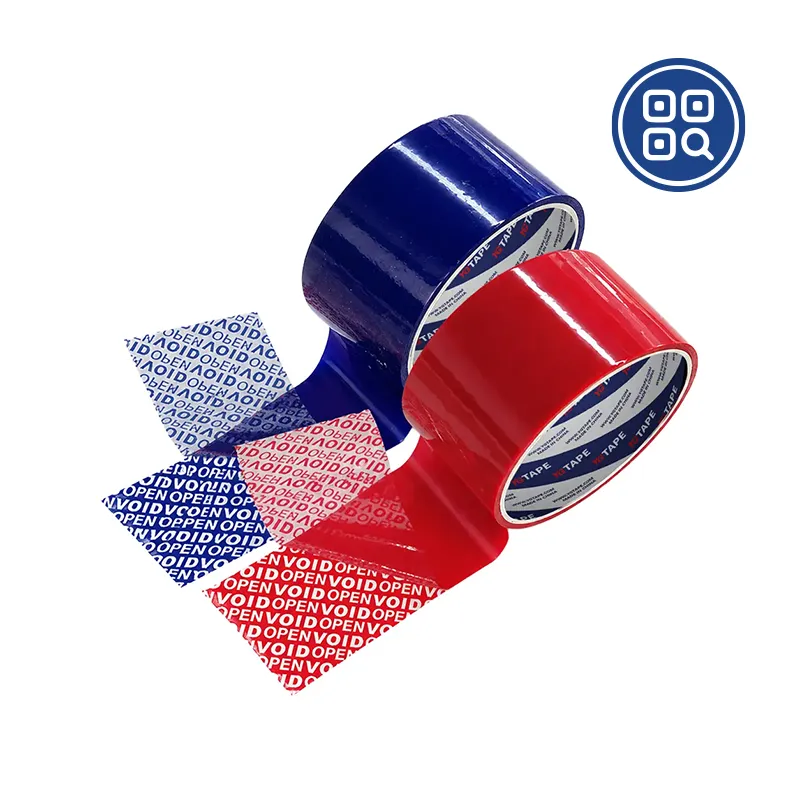
For wider sealing applications across cartons, bags, doors or package openings, YG Group also supplies tamper-evident tape.
Tamper-evident tape is a wider sealing product and is different from a die-cut security label.
What Information Is Required for a Quotation?
Please provide:
- Application and substrate
- Required removal result
- Acceptable residue or marking
- Security message
- Label dimensions and shape
- Manual or automatic application
- Roll direction and core size
- Maximum roll diameter
- Printing or variable-data requirements
- Service environment
- Estimated order quantity
- Delivery location
A package photo, technical drawing or surface sample can help with material review.
Frequently Asked Questions
What material is used for YG Group's standard tamper-evident label?
YG Group's standard product uses printable BOPP film with water-based adhesive. It is designed to leave visible residue after removal.
Does every tamper-evident label leave a VOID message?
No. Some constructions transfer or reveal a VOID message. Others leave adhesive residue or use a destructible facestock. Confirm the required removal result before selecting the label.
Are all security constructions available as standard products?
No. YG Group's standard product is a residue-leaving BOPP tamper-evident label. VOID transfer, non-transfer or destructible constructions should be confirmed according to customization requirements and technical feasibility.
Does a non-transfer label leave adhesive residue?
A non-transfer construction reduces security-message transfer, but it does not guarantee residue-free removal. Results depend on the adhesive, substrate, dwell time and removal method.
Can the security message be customized?
Depending on the construction, custom VOID messages, logos, security patterns, warning text, serial numbers, barcodes and QR codes may be discussed.
Can tamper-evident labels be used for automatic labelling?
Roll formats can be discussed according to the label construction, liner, die-cutting requirements and labelling machine. Provide the label size, gap, winding direction, core size and maximum roll diameter.
What information is needed for custom tamper-evident labels?
Provide the substrate, label dimensions, required removal result, security message, artwork, application method, roll format, quantity and service conditions.
Discuss Your Tamper-Evident Label Project
Review YG Group's tamper-evident label for security seals, or send us your substrate, required removal evidence, dimensions, artwork and roll specifications.
Our team will review the application and confirm the available construction, customization, sample and quotation requirements.