


Driving Efficiency and Cost Excellence at YG Group’s Jiangxi Manufacturing Base



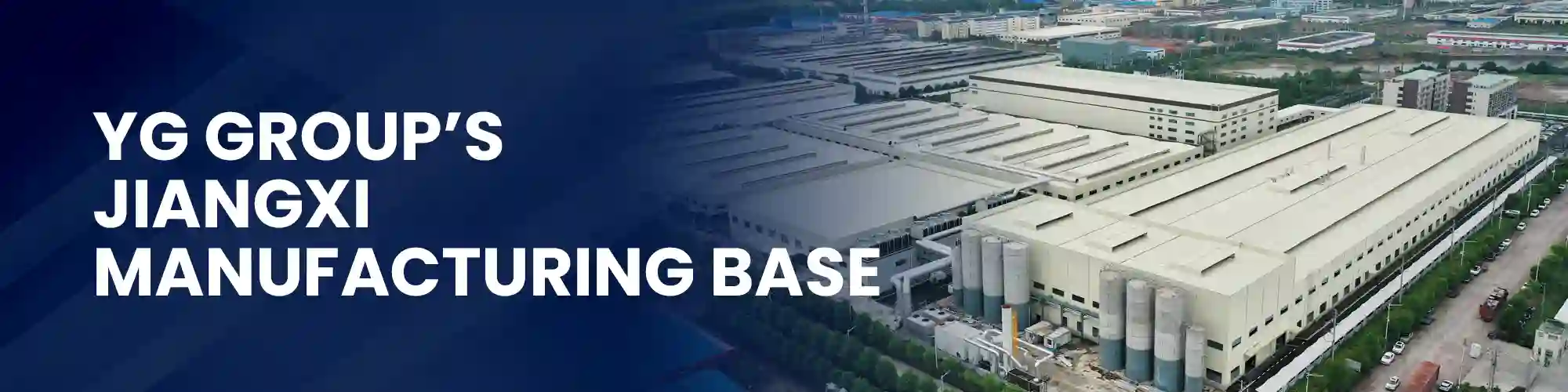
Strategic Transformation and Capacity Upgrade Background
YG Group is advancing a long-term strategic transformation.
At the same time, capacity upgrades are moving forward.
Against this background, the Jiangxi manufacturing base plays a key role.
All departments now focus on two clear goals.
One goal is efficiency improvement.
The other goal is refined cost optimization.
However, goals alone do not change results.
Therefore, teams focus on execution.
They rely on continuous technical improvement.
They also refine management details.
As a result, daily operations become more stable.
Moreover, the production foundation grows stronger.
This direction supports YG Group’s long-term
industrial adhesive tape manufacturing strategy.
Refined Cost Management Through Material Loss Control
Material loss directly increases production cost.
Therefore, it became a priority issue.
Under the guidance of Group Vice President Jiang Haiquan,
multiple departments worked together.
Their goal was systematic and refined control.
Previously, the base applied loss assessment incentives.
It also introduced graded handling for abnormal materials.
Special rules covered rewinding and slitting.
However, on-site checks still found problems.
For example, some material pulling remained unreasonable.
Therefore, further action was required.
Teams created a detailed abnormal pulling ledger.
At the same time, they reviewed upstream processes on site.
As a result, control shifted closer to the source.
This effort strengthens
quality control systems for adhesive products
across high-volume production.
Clear Control Direction: Source, Process, and Participation
After on-site discussions, a clear direction emerged.
First, teams focused on source control.
Second, they tightened process supervision.
Third, they encouraged full employee participation.
These principles guided every improvement step.
They also ensured that actions were practical.
As a result, responsibility became clearer.
Meanwhile, execution speed improved.
Most importantly, improvements stayed in place.
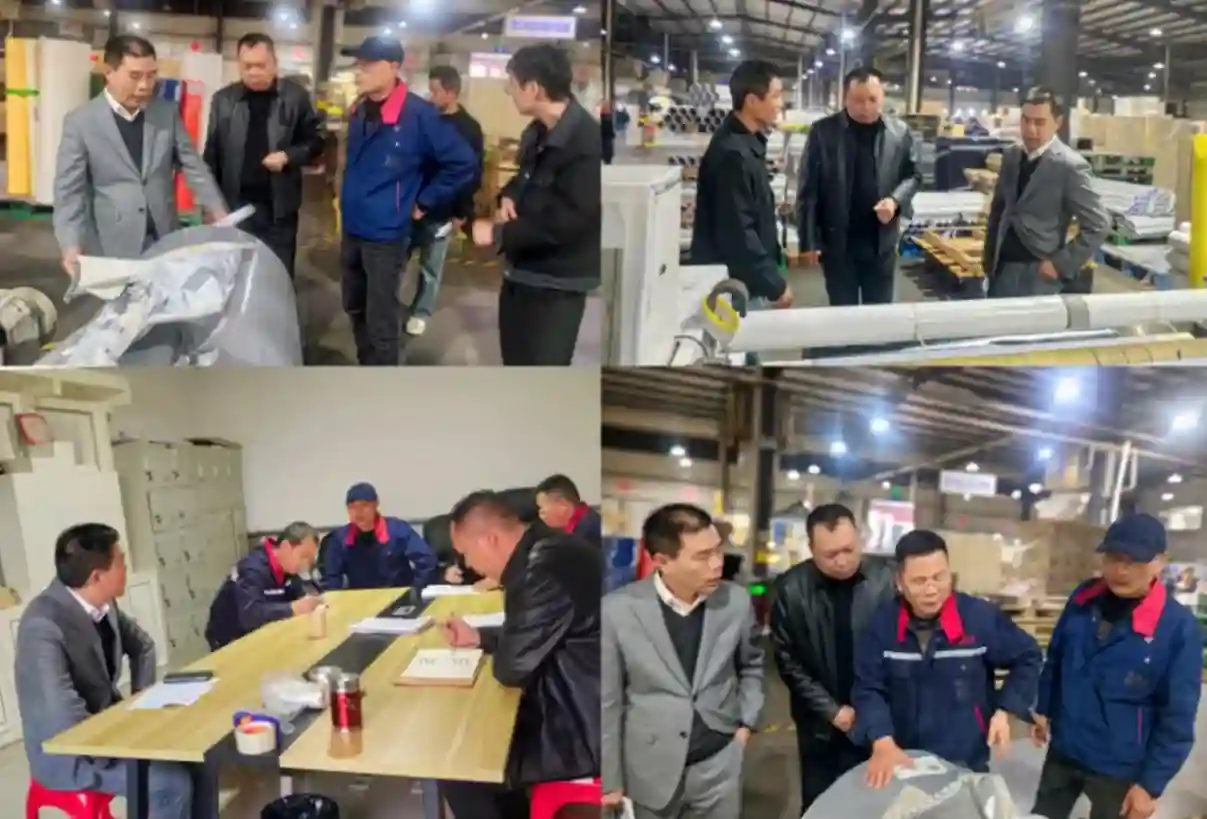
Targeted Control Across Multiple Production Stages
Cost control must cover the full process.
Therefore, the Jiangxi base applied targeted actions.
Front-End Coating Workshop
The coating workshop enforced master roll packaging rules.
Teams also refined splice control standards.
Each product category now has clear splice limits.
Operators understand these limits clearly.
As a result, unnecessary material loss decreases.
These actions improve consistency in
custom adhesive tape solutions
used by different customers.
Back-End Packaging Workshop
The packaging workshop built an abnormal feedback system.
It tracks issues quickly and accurately.
At the same time, it supervises upstream execution.
For fragile products, clear handling rules apply.
Teams follow “no tearing, no contamination, no pulling.”
Abnormal products receive separate evaluation.
Therefore, risks remain controlled.
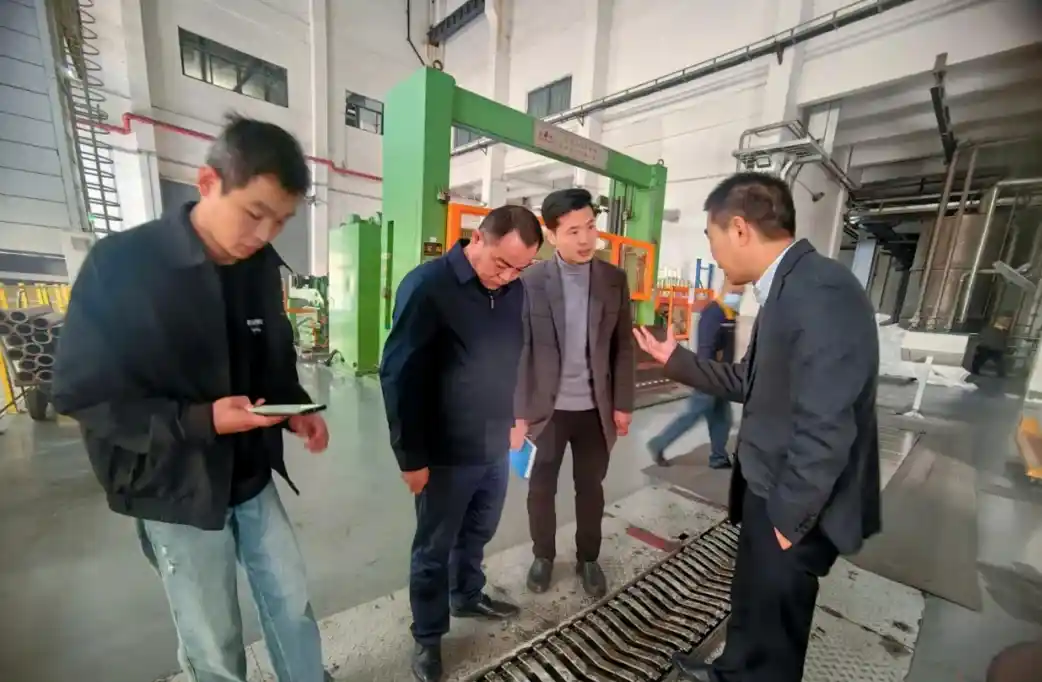
Full-Process Coordination and Quality Supervision
Cost control cannot depend on one department.
Therefore, full-process coordination became mandatory.
All production departments now define splice loss standards.
Quality teams supervise execution and provide feedback.
In addition, internal training continues regularly.
On-site guidance reinforces correct behavior.
As a result, employees build strong cost awareness.
Over time, these actions form a normal control system.
Savings become repeatable, not accidental.
This culture supports YG Group as a
global B2B adhesive tape supplier.
Expanding Loss Control Across All Workshops
The loss control program continues to expand.
It now covers more production workshops.
The goal remains simple.
Reduce loss and improve efficiency.
By using the same standards,
the base ensures consistent execution.
Therefore, long-term results become more reliable.
Solving Equipment-Related Loss at the Source
Some losses come from equipment design.
Therefore, technical verification is essential.
In the paper-making workshop,
equipment design caused surface marks.
These marks increased material loss.
After on-site confirmation,
immediate action followed.
The warehouse team contacted the supplier.
Together, they planned equipment modification.
Meanwhile, teams reviewed similar risks elsewhere.
As a result, prevention replaced correction.
Systematic Analysis in Water-Based Adhesive Coating
The water-based adhesive coating workshop required deeper analysis.
Loss often occurred during start-stop and rewinding.
Therefore, teams reviewed data carefully.
They also compared loss structures across different bases.
This comparison clarified improvement priorities.
It also highlighted best practices.
As a result, teams focused on process standardization.
They also improved original film packaging methods.
Practical Improvements in Film Handling and Packaging
Based on analysis, teams took clear actions.
First, they replaced conveyor belt materials.
This ensured smooth and clean film transfer.
Second, they unified original film packaging standards.
Both flat and vertical warehouses now follow the same rules.
In addition, teams defined original film loss standards.
They enforced these standards strictly.
Through these steps, material loss declined steadily.
Therefore, efficiency and cost control improved together.
Continuous Improvement Through Cross-Department Cooperation
Cost refinement requires persistence.
Therefore, departments continue to improve standards.
They strengthen cross-department communication.
At the same time, managers guide daily behavior.
Employees treat cost awareness as part of their work.
As a result, improvement becomes routine.
This mindset converts refined management
into real production value.
Production Efficiency Breakthrough in Thermal Paper Lines
Efficiency improvement also drives competitiveness.
Therefore, the thermal paper line became a focus area.
To match industry benchmarks,
the team improved technology and processes.
Quality stability remained the first priority.
They adjusted parameters step by step.
Equipment potential increased gradually.
As a result, single-batch operation time shortened.
Overall efficiency increased by more than 30%.
Deeper Gains Through Process Optimization
After initial gains, the team continued optimization.
They focused on core process steps.
Key consumables were optimized carefully.
Grinding processes were refined.
As a result, grinding time dropped nearly 40%.
These gains did not rely on more labor.
Instead, they came from better methods.
This approach supports
OEM and private label adhesive tape production
that requires stable capacity.
Logistics Optimization Supporting Manufacturing Efficiency
Cost control extends beyond production lines.
Therefore, logistics plays a critical role.
The logistics team focuses on system improvement.
They optimize transport models and order integration.
Heavy and light cargo use different loading plans.
As a result, vehicle utilization increased by over 20%.
Order merging reduces transport cost.
Transfer steps also decrease.
These actions support
industrial adhesive tape manufacturing
in global markets.
Data, Collaboration, and Team Empowerment
Data supports better logistics decisions.
Teams track cost and delivery performance in real time.
Standard communication templates improve collaboration.
Clear exception handling reduces delays.
Meanwhile, regular training builds strong cost awareness.
Employees apply learning directly.
As a result, cost control shifts from knowing to doing.
Conclusion: Turning Refined Management Into Sustainable Value
At the Jiangxi manufacturing base,
efficiency and cost control are practical actions.
Through refined management and cooperation,
YG Group converts discipline into results.
Looking ahead, teams will continue improving methods.
With steady execution, YG Group moves forward on its high-quality growth path.