


Functional Label Materials for Packaging: Build Reliable Labels That Perform



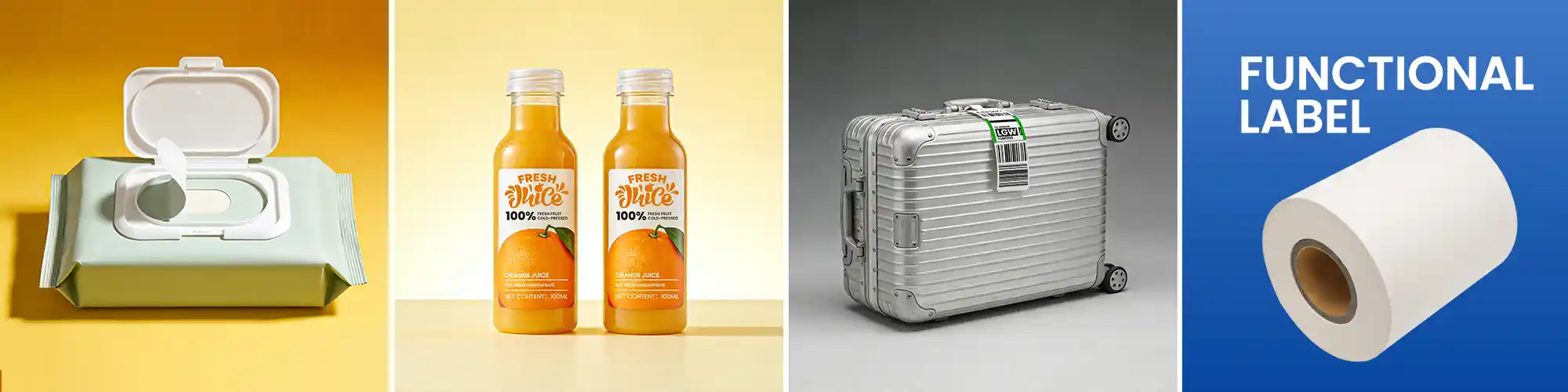
Labels do more than show a brand name. They protect product information and support compliance. However, many labels fail in real use. Moisture, cold storage, friction, and oils can weaken adhesion. Therefore, packaging performance depends on the right label material.
YG Group develops functional label materials for brands and converters. Our goal is simple: reduce label failure and improve production stability. As a result, customers get stronger functional labels for packaging across food, logistics, and industrial applications.
What Makes Functional Label Materials Different?
A functional label is designed to solve a clear problem. It may resist water, heat, or abrasion. It may also support reclosure or long-term readability. So the label keeps working after shipping and handling.
Functional labels often require:
- A reliable facestock (paper or film)
- The right adhesive system for the surface
- A stable liner for smooth dispensing
Because each layer matters, material matching is critical. Therefore, functional labels deliver better results than general-purpose stickers.
Why Packaging Labels Fail in the Real World
Most label issues happen after production. The product goes into storage. Then it faces temperature and handling changes. So small weaknesses become big problems.
Common failure causes include:
-
Condensation and water exposure
-
Low temperature that reduces tack
-
Oil and chemicals from products
-
Rubbing during logistics and sorting
-
Curved surfaces that lift edges
Therefore, brands should choose label materials based on use conditions, not only cost.
Fruit Label: Stable Contact on Waxed and Rough Surfaces
Fruit skin is complex. It can be waxed, textured, and slightly oily. Therefore, the label needs fast tack and stable holding. It also needs a clean look, because shoppers see it first.
Our Fruit Label solutions support reliable adhesion and smooth handling. So produce stays labeled from packing to retail. Moreover, stable labels reduce relabeling during export sorting and warehouse operations.
Best for:
- Apples, citrus, and pears
- Retail packing lines
- Export cartons and cold rooms
Beverage Cup Label: Clear Print and Secure Placement
Cup packaging moves quickly, and condensation is common. So the label must apply smoothly and stay stable. Otherwise, you may see slipping, wrinkles, or misplacement.
Our Beverage Cup Label materials support smooth dispensing and secure placement. Therefore, they help reduce labeling errors in high-speed environments. In addition, strong print clarity supports better order accuracy in retail.
Typical uses:
-
Coffee cups and milk tea cups
-
Cold drinks with condensation
-
Quick-service beverage packaging
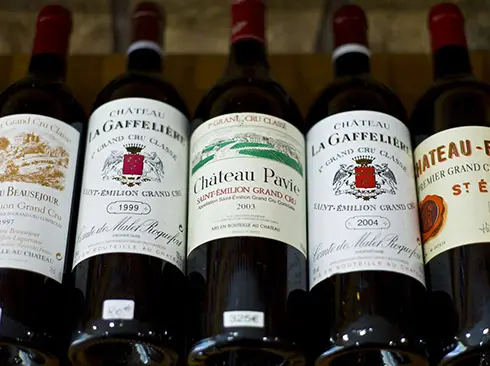
Wine Label: Premium Feel with Moisture Resistance
Wine labeling needs both design and durability. Ice buckets and moisture can damage common papers. Therefore, wine labels must hold their premium look during service and storage.
Our Wine Label options focus on texture and stable performance. So brands keep a high-end shelf presence in restaurants and retail. Moreover, a better label finish improves gift-pack value and customer perception.
Ideal for:
- Restaurants and tasting rooms
- Premium retail shelves
- Seasonal gift boxes
Heat Resistance Label: Performance Under Warm Conditions
Heat exposure is more common than expected. Some labels face warm packing zones. Others face short-term heat during handling. Therefore, heat performance protects readability and adhesion.
Our Heat Resistance Label materials support stable use in warm conditions. So printed information stays clear when it matters most. In addition, stable labels help avoid rework in fast-moving retail operations.
Common scenarios:
- Warm food packaging lines
- Heat-adjacent retail labels
- Short-term temperature stress zones
Wet Wipe Label: Reclosure and Chemical Exposure
Wet wipes need repeat open-close performance. The label must reseal well after many uses. Also, it must resist alcohol and cleaning chemicals. Therefore, the adhesive must stay stable over time.
Our Wet Wipe Label solutions support repositioning and strong sealing. So packs stay fresh longer and look cleaner in use. Moreover, better reclosure helps reduce customer complaints about drying.
Best for:
-
Wet wipes and cleaning wipes
-
Household sanitation packs
-
Personal care reclosure packaging
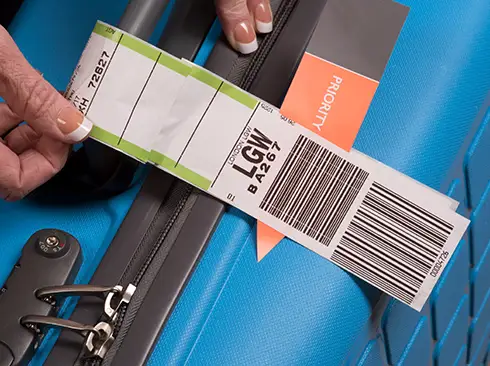
Thermal Baggage Tags: Tough Labels for Travel Handling
Baggage tags face bending, pulling, and friction. They also need clear thermal printing for scanning. Therefore, durable materials are essential for stable travel workflows.
Our Thermal Baggage Tags support tear resistance and clean printing. So barcodes stay readable during transport. In addition, stable tags reduce scan errors at busy checkpoints.
Typical uses:
- Airport baggage systems
- Logistics tag applications
- High-speed thermal printing workflows
Electronics Label: Long-Term Readability for Devices
Electronics labels must last for years. They often face heat, oil, and abrasion. Therefore, durable film materials help protect product data.
Our Electronics Label solutions support strong resistance to water, oil, and scratches. So key information stays readable through long-term use. Moreover, stable labels support compliance and asset tracking for manufacturers.
Good for:
-
Consumer electronics
-
Control panels and devices
-
Industrial components and parts
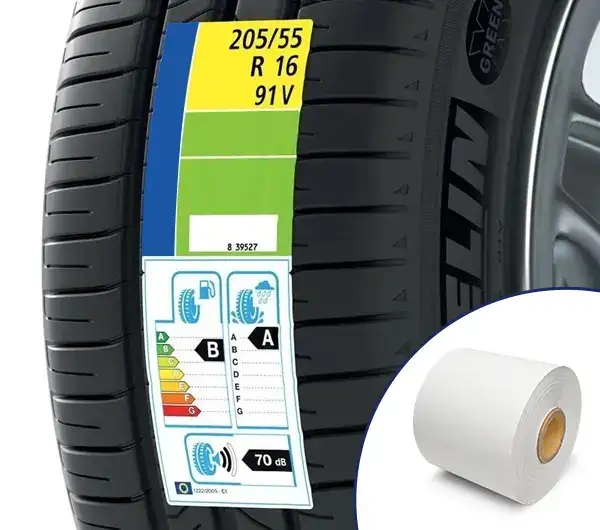
Tyre Label: Strong Hold on Rough Surfaces
Tire surfaces are uneven and hard to label. Handling friction is also high. Therefore, tire labels need strong initial tack and stable holding power.
Our Tyre Label materials support reliable placement and clear print. So labels stay on during storage and transport. In addition, strong hold helps improve workflow at distribution centers and retail outlets.
Typical uses:
- Tire identification and sorting
- Automotive parts logistics
- Warehouse and retail handling
How to Choose Functional Labels for Packaging in 5 Steps
A clear selection method saves time. It also reduces trial cost. Therefore, use this simple checklist before ordering.
Step-by-step:
-
Confirm the surface (paper, glass, PE, PET)
-
Check the environment (wet, cold, warm, oily)
-
Decide the label life cycle (days, weeks, years)
-
Match your process (manual or automatic)
-
Set the goal (removable, reclosure, high tack)
Moreover, small sample tests improve confidence. So validation is always smart.
Why Global Buyers Work With YG Group
Performance must be repeatable, not random. Therefore, manufacturing control matters. YG Group supports stable supply, consistent roll quality, and technical matching for real packaging environments.
What we provide:
- Material matching based on surface and temperature needs
- Stable adhesion control for repeatable results
- OEM converting formats and custom specifications
- Sampling support for validation before mass production
Moreover, our team responds with clear technical guidance. So you can move faster from trial to production.
FAQ
Q1: What are functional label materials used for?
A: They are used when packaging faces moisture, cold, heat, or friction. They help labels stay readable and stay in place.
Q2: Can you support automatic labeling lines?
A: Yes. Many solutions focus on smooth dispensing and stable placement. This helps reduce wrinkles and mislabeling.
Q3: Do you support OEM sizes and custom formats?
A: Yes. We support custom widths, roll formats, and packaging. Share your use case, and we will recommend options.
Contact Us: Build Labels That Perform in Real Use
If you want fewer label failures, share these details:
- Surface type and texture
- Storage temperature and humidity
- Exposure to water, oil, or chemicals
- Labeling speed and equipment type
- Expected label life cycle
Send your requirements to YG Group today. We will recommend the right structure and support your packaging performance.