

Non-PE Kraft Paper Tape for PPWR-Oriented Packaging



Packaging buyers serving the European market are reviewing more than the corrugated box itself.
Sealing tape, labels, coatings and other attached components can influence the material structure of the finished package. Under the EU Packaging and Packaging Waste Regulation, or PPWR, recyclability is considered at packaging level rather than by evaluating one component in isolation.
For companies developing paper-based carton packaging, this makes carton-sealing tape worth reviewing.
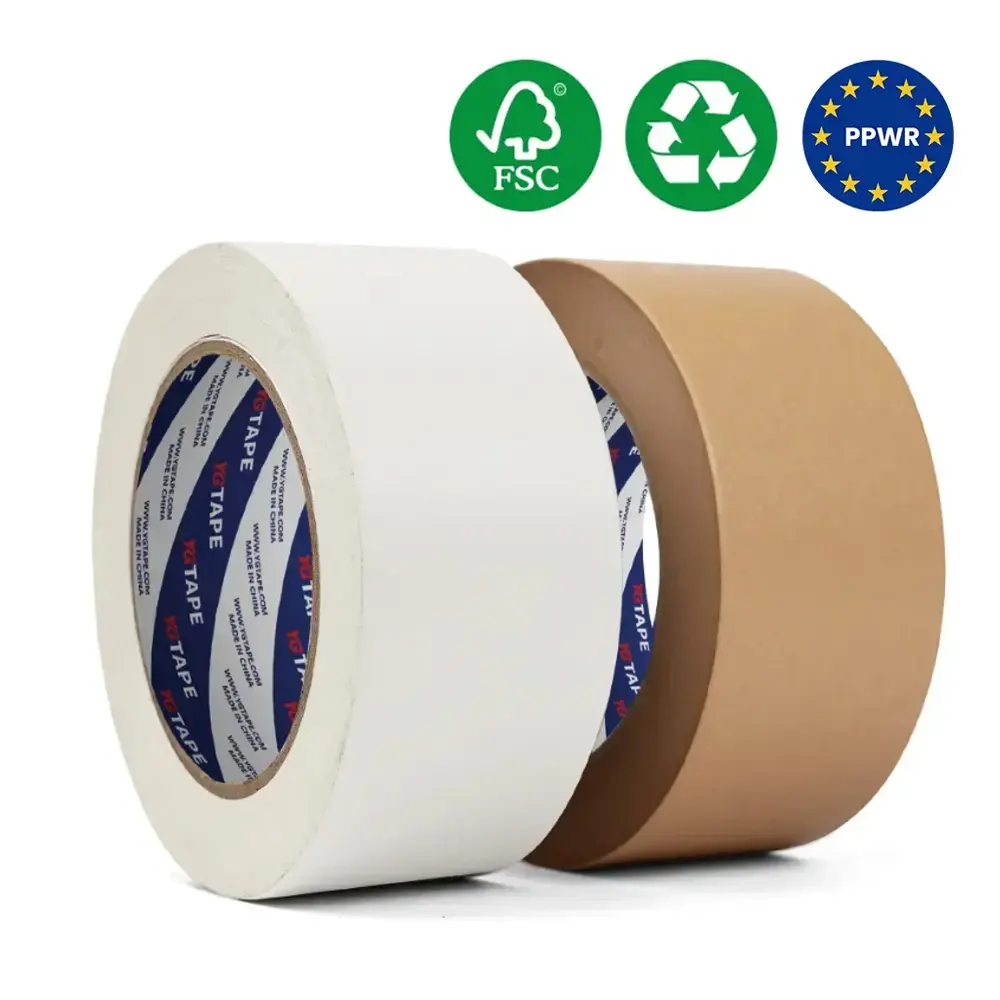
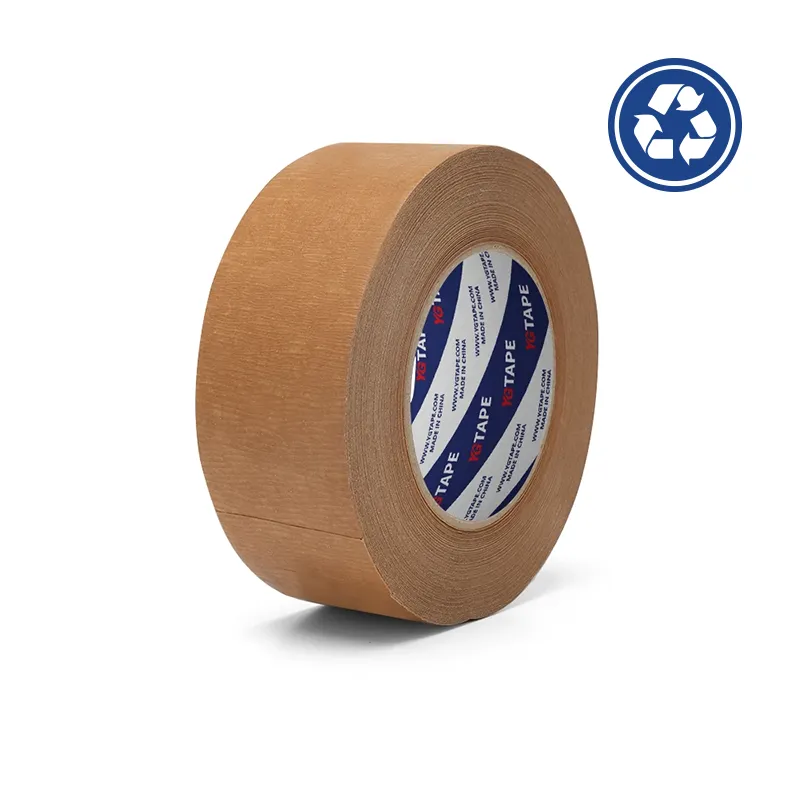
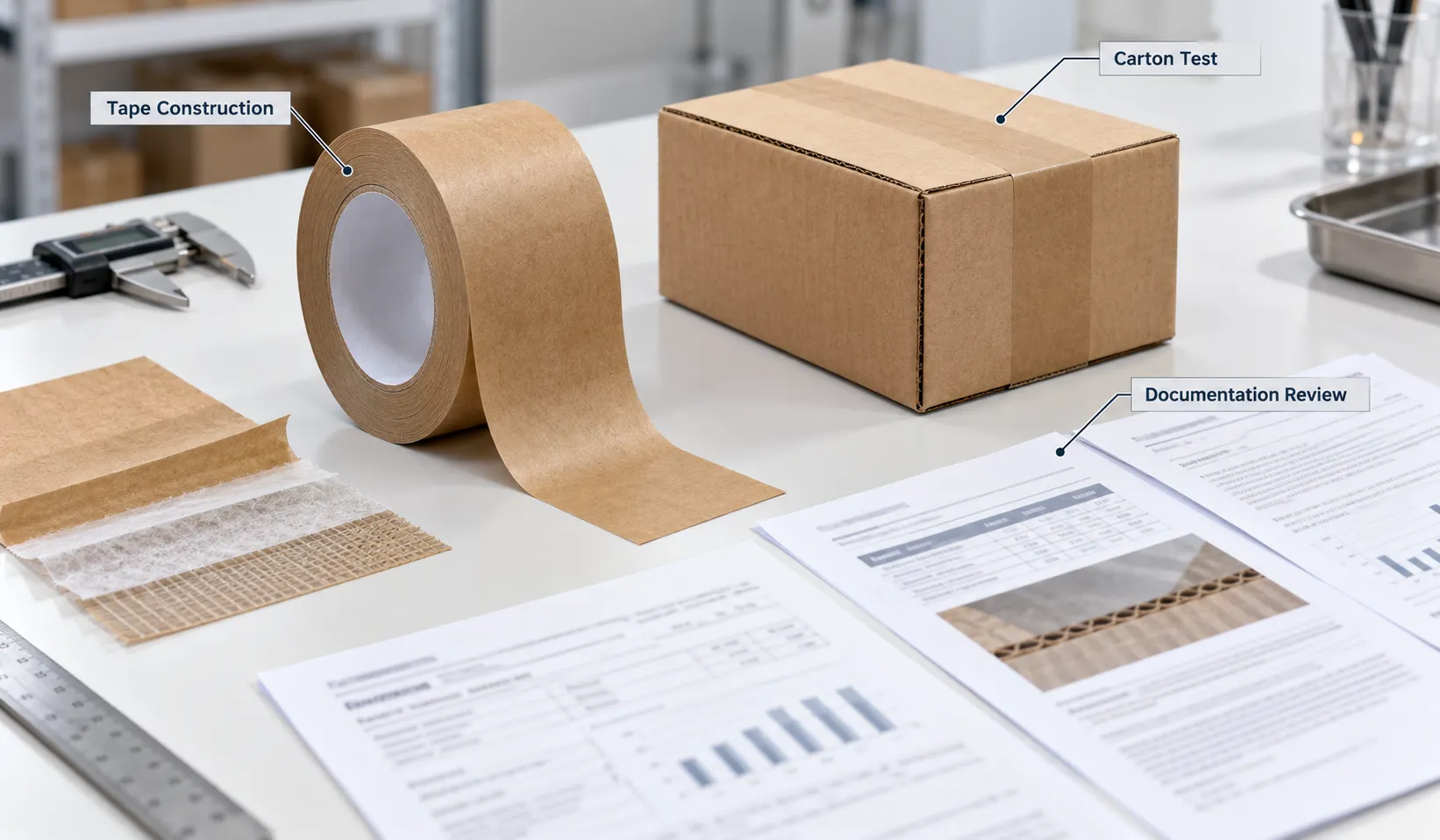
YG Group's Greenflat Kraft Tape uses a kraft paper backing, anti-seepage treatment and solvent-free acrylic pressure-sensitive adhesive. Unlike conventional PE-laminated kraft tape, it does not use an additional PE film lamination. It is designed for carton sealing while supporting good repulpability in paper recycling processes.
Quick Answer
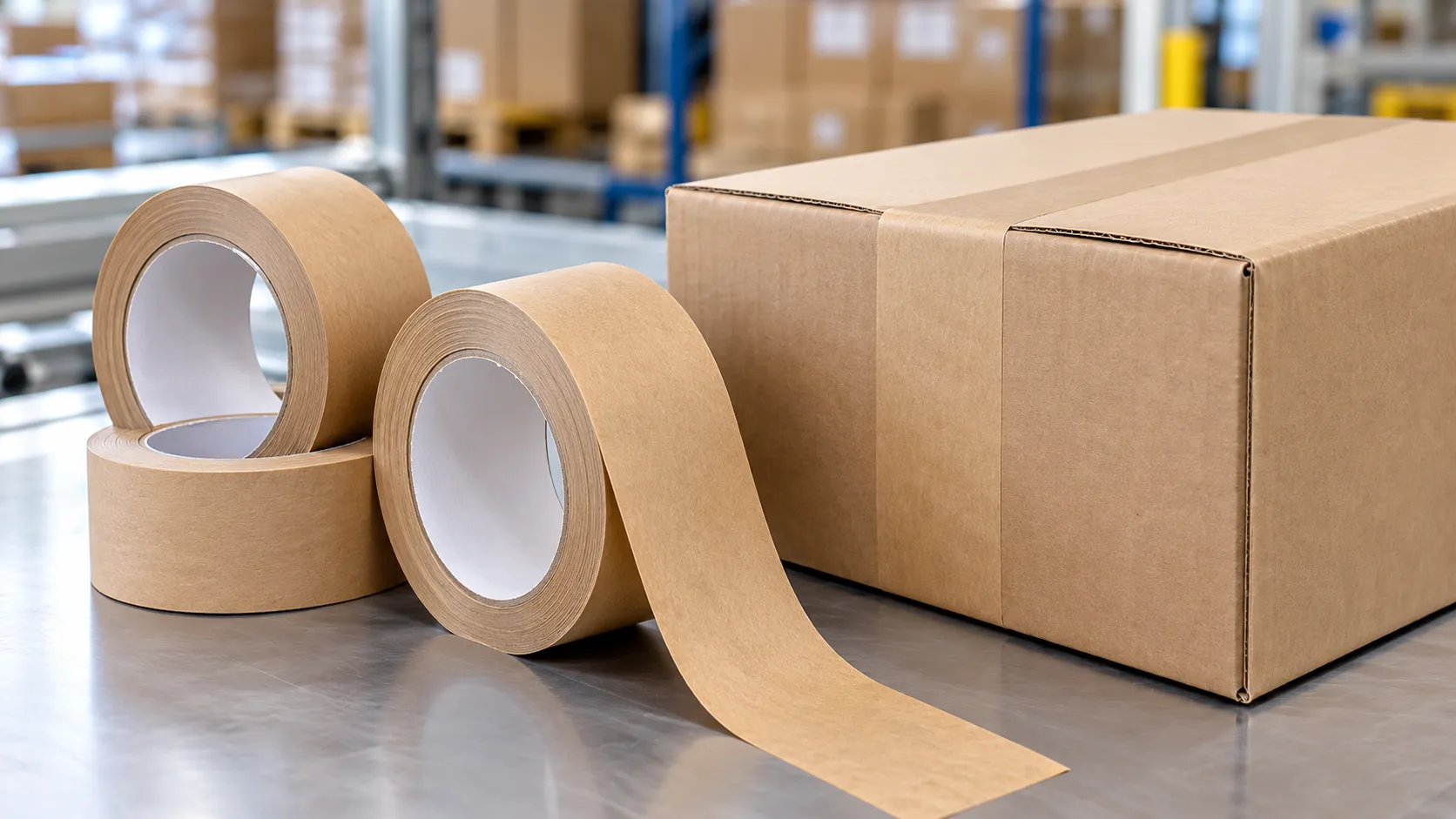
Greenflat Kraft Tape is a non-PE-laminated, self-adhesive kraft paper tape designed for carton sealing and paper-based packaging.
Its main construction features include:
- Kraft paper backing
- No conventional PE film lamination
- Anti-seepage treatment
- Solvent-free acrylic pressure-sensitive adhesive
- Direct pressure-sensitive application
- Good repulpability
- FSC-certified paper backing
This construction can support companies reviewing carton-sealing materials for paper-based packaging and future EU recyclability requirements.
Greenflat should not be described as a stand-alone “PPWR-certified tape.” Final PPWR compliance and recyclability assessment depend on the complete packaging configuration.
Why PPWR Changes Carton-Sealing Material Selection
PPWR applies across the EU and introduces requirements intended to reduce packaging waste and improve packaging recyclability.
One of the important future requirements is Design for Recycling.
Under Regulation (EU) 2025/40, the relevant requirement is scheduled to apply from 1 January 2030 or 24 months after the relevant delegated acts enter into force, whichever is later. Packaging recyclability will be expressed through performance grades A, B and C.
| Recyclability Grade | Design for Recycling Assessment |
|---|---|
| Grade A | ≥95% by weight |
| Grade B | ≥80% by weight |
| Grade C | ≥70% by weight |
For packaging teams, the practical question is not simply:
“Is the carton made of paper?”
It is also:
“How do the tape, labels, coatings and other components affect the complete packaging structure?”
This is why carton-sealing materials are becoming part of broader packaging recyclability reviews.
Why a Non-PE Kraft Tape Can Matter
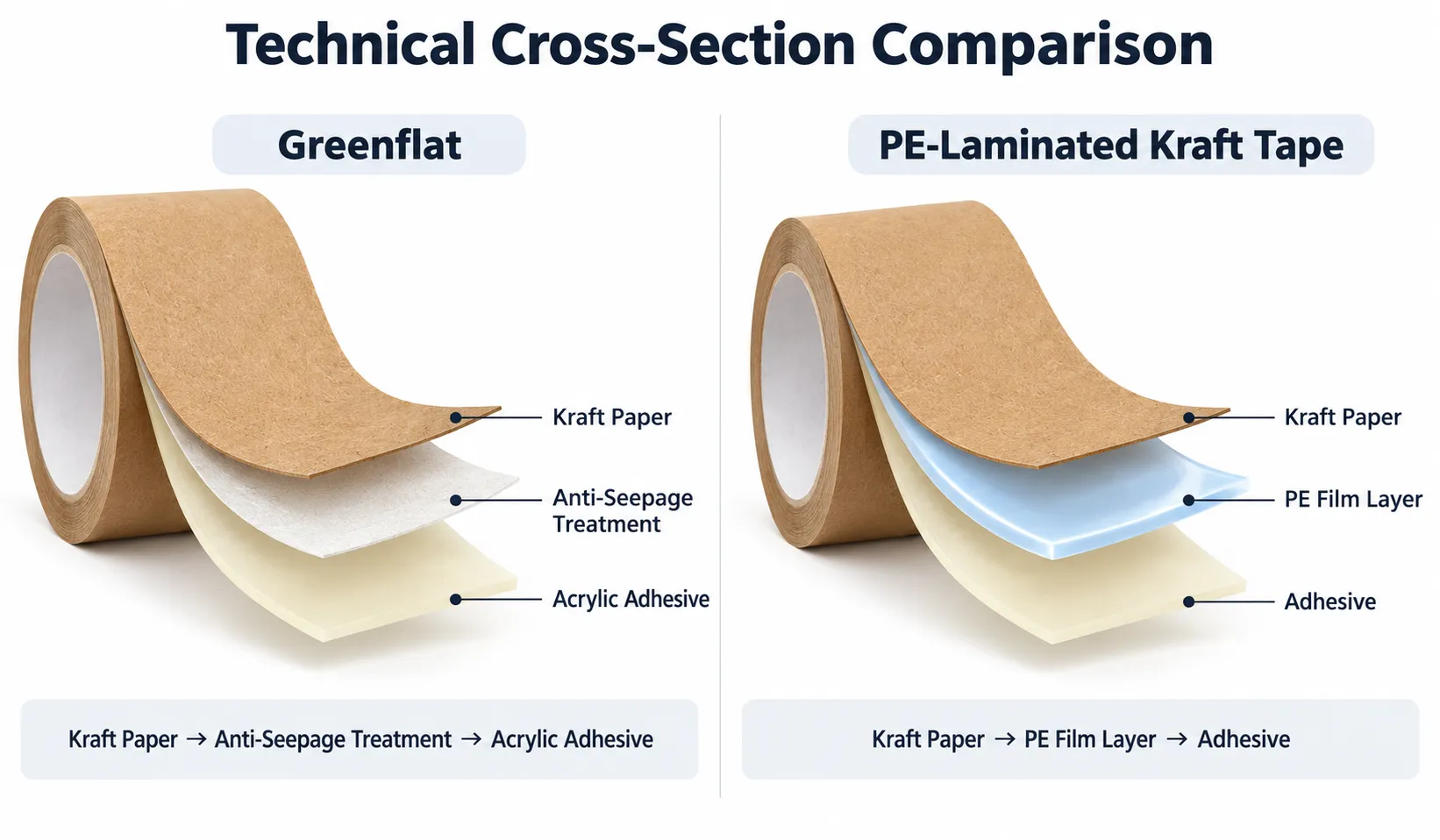
Some kraft packaging tapes use a structure such as:
Kraft paper + PE film lamination + adhesive
Greenflat uses:
Kraft paper + anti-seepage treatment + solvent-free acrylic adhesive
The anti-seepage treatment helps control adhesive penetration into the paper backing without adding the conventional PE film layer used in some kraft tapes.
Removing that additional film layer does not automatically make a finished carton PPWR compliant.
However, it can reduce material complexity and create a simpler paper-based sealing construction for packaging teams evaluating recyclability.
Greenflat vs. PE-Laminated Kraft Tape
| Item | Greenflat Kraft Tape | PE-Laminated Kraft Tape |
|---|---|---|
| Main backing | Kraft paper | Kraft paper |
| PE film lamination | No | Yes |
| Surface treatment | Anti-seepage treatment | PE coating / lamination |
| Greenflat adhesive | Solvent-free acrylic | Depends on selected construction |
| Application | Pressure-sensitive | Pressure-sensitive |
| Main use | Carton sealing and packaging | Carton sealing and packaging |
| Structure | No added PE film layer | Includes additional PE layer |
The important difference is therefore not whether both products look like paper tape. Buyers should compare the complete tape construction.
How Greenflat Supports Paper-Based Packaging
1. Non-PE-Laminated Construction
Greenflat avoids the conventional PE film layer used in some laminated kraft tapes.
For corrugated packaging, this reduces one added plastic-film component and can help simplify the overall material structure.
2. Good Repulpability
Greenflat is designed with good repulpability for paper recycling, supporting paper-fiber recovery during the pulping process.
This is a more useful technical consideration than using broad descriptions such as “eco-friendly.”
Repulpability of the tape alone, however, does not establish the recyclability of every finished carton. Labels, coatings, inks, tape coverage and other attached materials can also affect the package.
3. Solvent-Free Acrylic Adhesive
Greenflat uses a solvent-free acrylic pressure-sensitive adhesive.
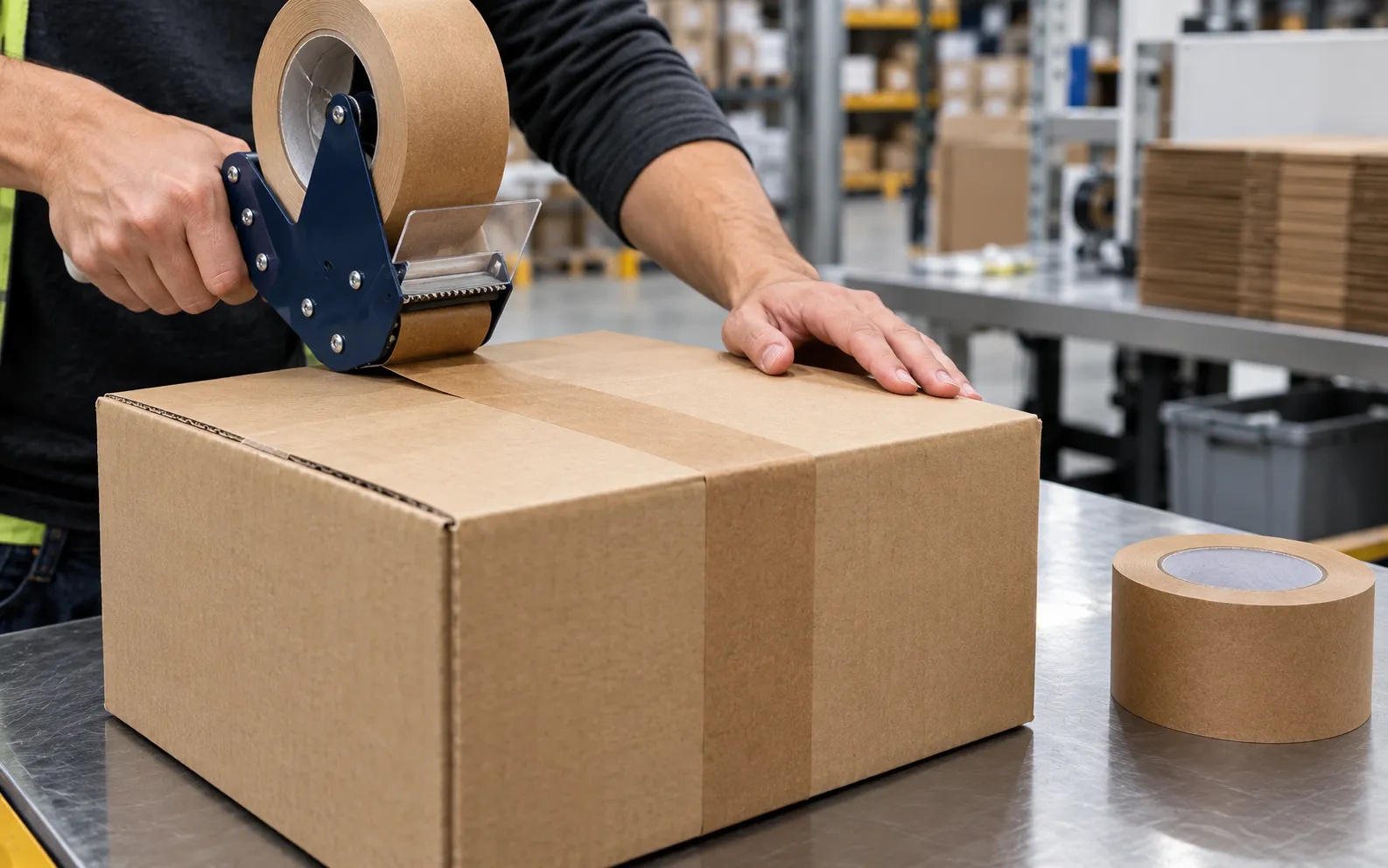
It can therefore be applied directly through pressure and does not require water activation. This is useful for packaging operations that want to evaluate a paper-backed tape while retaining a familiar pressure-sensitive sealing process.
4. FSC-Certified Paper Backing
The current Greenflat construction also uses FSC-certified paper backing to support responsible sourcing requirements.
FSC and PPWR address different issues: FSC concerns responsible sourcing of forest-based materials, while PPWR covers packaging and packaging waste requirements.
Why Buyers Consider Greenflat Kraft Tape
Greenflat can be a practical option for companies that want to reduce PE-laminated components in corrugated packaging without changing to a water-activated sealing process.
It combines:
- Kraft paper backing
- Non-PE-laminated construction
- Pressure-sensitive application
- Solvent-free acrylic adhesive
- Good repulpability
- Carton-sealing functionality
This makes the product relevant for:
- E-commerce packaging
- Shipping cartons
- Corrugated carton manufacturers
- Packaging converters
- Packaging distributors
- European brands reviewing packaging materials
For buyers already using conventional pressure-sensitive tape, Greenflat provides another paper-based construction to evaluate without introducing a completely different activation process.
A Note About PPWR Recyclability Grades
PPWR Grade B corresponds to a Design for Recycling assessment of at least 80% by weight for the relevant packaging.
If product documentation refers to potential Grade B recyclability performance, this should be treated as a packaging-development reference rather than an official stand-alone Grade B certification for the tape itself.
The final recyclability grade applies to the relevant packaging configuration under the applicable assessment methodology.
PPWR Supporting Documentation
For European packaging projects, technical documentation is as important as marketing claims.
YG Group can provide the applicable PPWR-related declaration or supporting documentation for Greenflat projects, together with product specifications and samples for evaluation.
Buyers should confirm:
- Selected product construction
- Applicable model
- Scope of the declaration
- Intended packaging application
- Required technical documentation
- Whether additional packaging-level assessment is needed
If your company already has a PPWR, recyclability or sustainable-packaging checklist, provide it during project review so the tape construction can be evaluated against your requirements.
Carton Sealing Performance Still Needs to Be Tested
A tape developed with recycling requirements in mind still needs to perform its primary job: keeping the carton securely closed.
Before bulk approval, test Greenflat on the actual production carton and review:
- Corrugated board type
- Recycled fiber content
- Package weight
- Flap tension
- Tape width
- Sealing length
- Application pressure
- Edge lifting
- Performance after storage
- Performance after transportation trials
Recyclability documentation and carton-sealing performance answer two different questions:
Does the tape seal the carton reliably?
and
Does its construction support the intended recycling strategy?
Both should be reviewed before final material approval.
For buyers comparing pressure-sensitive kraft tape with another paper-based sealing system, our guide to water-activated kraft tape for carton sealing explains the differences in application and carton-sealing process. Water-activated tape uses a starch-based adhesive that requires activation before use.
What Information Should Buyers Provide?
For faster product evaluation and quotation, provide:
- Target market
- Carton material
- Package dimensions
- Gross package weight
- Current sealing tape
- Required tape width and roll length
- Manual or machine application
- Estimated annual volume
- Printing requirements
- Required technical or PPWR documentation
If recyclability is an important project requirement, also provide information about labels, coatings and other components attached to the carton.
Frequently Asked Questions
How does Greenflat Kraft Tape support packaging designed with PPWR requirements in mind?
Greenflat uses a non-PE-laminated kraft paper structure, solvent-free acrylic pressure-sensitive adhesive and a construction designed for good paper repulpability. These features can support paper-based packaging development, while final PPWR compliance depends on the complete packaging configuration.
Is Greenflat Kraft Tape officially PPWR Grade B certified?
No stand-alone tape claim should be treated as an official PPWR Grade B certification. PPWR recyclability grades apply to the relevant packaging under the applicable Design for Recycling assessment.
Does PPWR require kraft paper tape for cartons?
No. PPWR does not prescribe one specific carton-sealing tape. Tape is one component of the complete package and should be evaluated together with the carton, labels, coatings and other materials.
Why does Greenflat use a non-PE-laminated structure?
Greenflat uses anti-seepage-treated kraft paper rather than conventional PE film lamination. This eliminates an additional PE film layer from the tape construction and helps simplify the material structure of paper-based packaging.
Can buyers request PPWR documentation and samples?
Yes. Buyers can request the applicable Greenflat PPWR-related documentation, product specifications and samples for evaluation. The scope of the declaration should be checked against the selected tape construction and intended packaging application.
Review Greenflat for Your EU Packaging Project
If you are reviewing carton-sealing materials for paper-based packaging, provide YG Group with your carton construction, package weight, current sealing tape, required dimensions and target market.
Our team can support the next steps with:
Product Review
Review the appropriate Greenflat construction for your carton-sealing application.
PPWR Documentation
Request the applicable PPWR-related declaration and supporting product information.
Sample Testing
Test adhesion, flap holding and sealing performance on your actual corrugated carton before bulk production.
Regulatory Reference
Regulation (EU) 2025/40 on packaging and packaging waste — Article 6 and Annex II defines the Design for Recycling framework and recyclability performance grades discussed in this article.
PPWR requirements are phased and depend on applicable Design for Recycling rules and assessment methods. Product-level documentation should be reviewed together with the complete packaging configuration. Final legal compliance depends on the finished packaging and applicable regulatory requirements.