

%20film.webp)

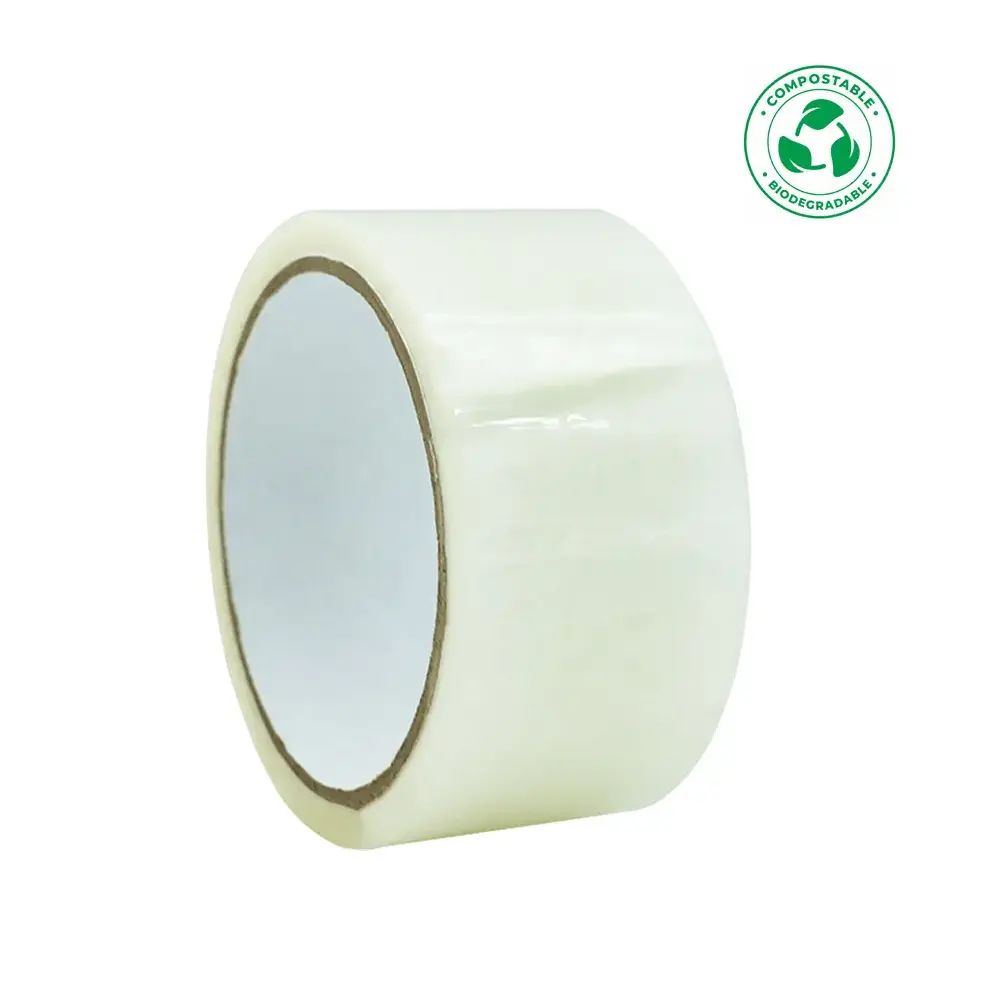
 film.webp)
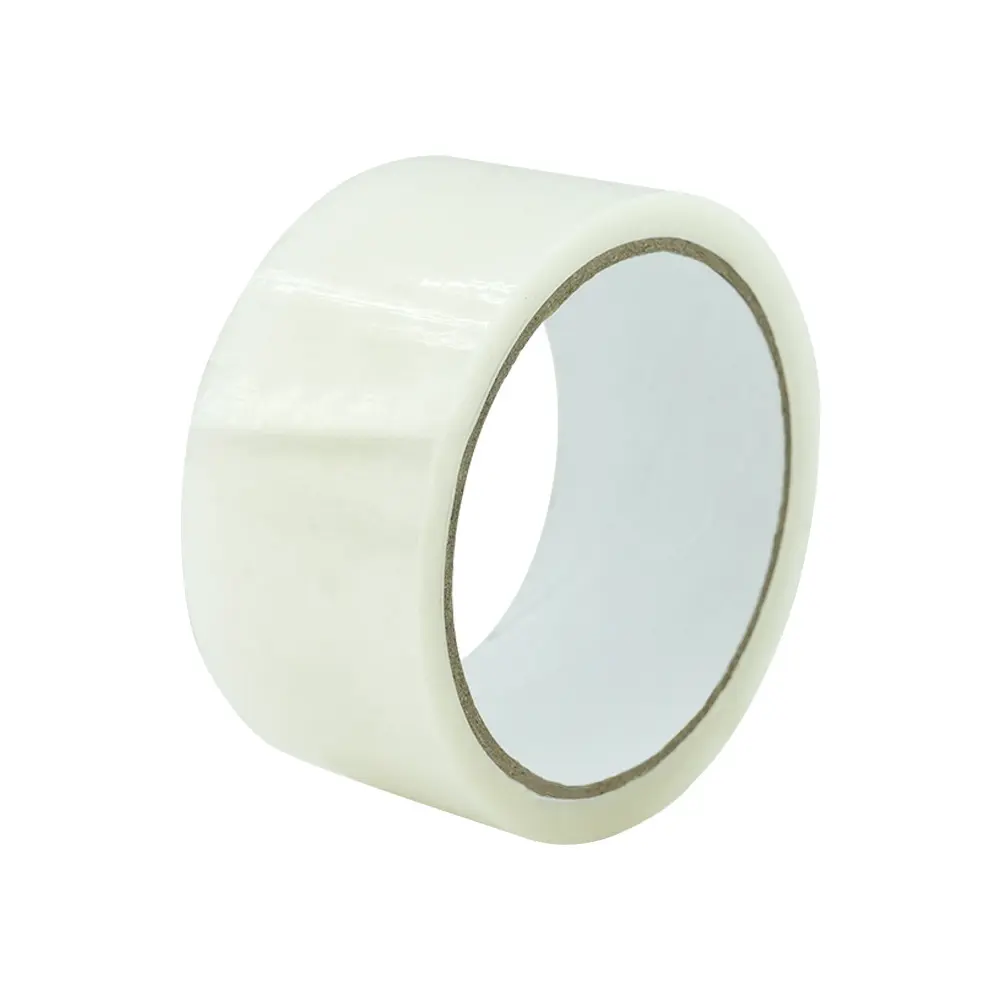
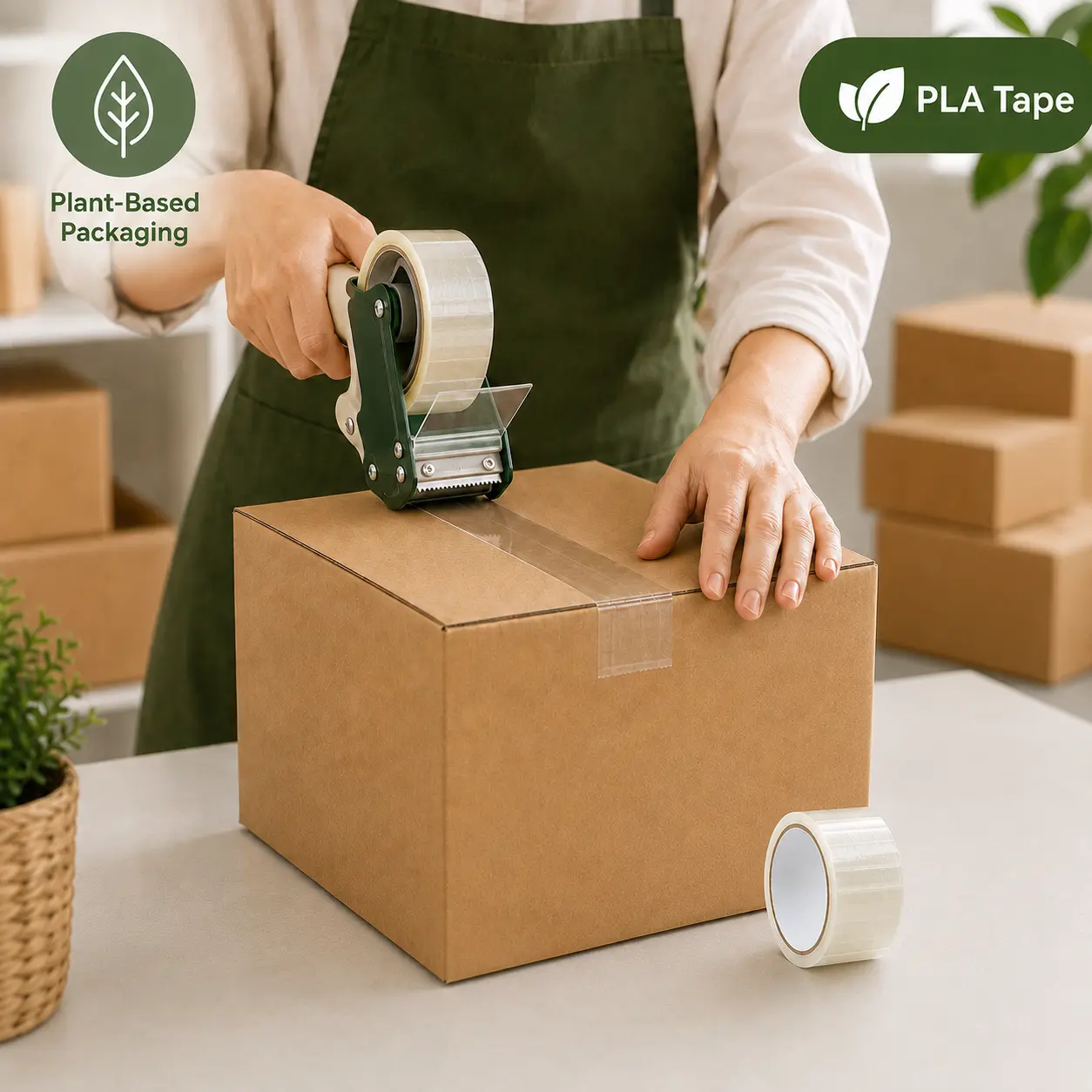
PLA Tape
Features:
1. Bio-Based PLA Film from Renewable Plant-Based Materials
2. Water-Based Adhesive System
3. Good Clarity & Flexibility
4. Good Printability for Branded Packaging
5. Easy Hand Tear for Convenient Application
6. Up to 94.2% Biodegradation Within 180 Days Under Controlled Conditions
Applications:
- E-Commerce Packaging
- Retail Sealing
- Branded Packaging
- General Carton Sealing

Product Material & Custom Options
| Product | Film Material |
Adhesive |
Material Source |
| PLA Tape |
PLA (Polylactic Acid) Film
|
Water-Based Adhesive | Renewable Plant-Based Materials |
*Custom options are available, including:
Width, length, total thickness, color, printing, core size, packaging, and branding.
Why Choose PLA Tape?
Bio-Based PLA Film
PLA Tape uses polylactic acid film made from renewable plant-based materials, providing a bio-based alternative for packaging applications where reducing dependence on fossil resources is an important consideration.
Water-Based Adhesive
The PLA film is combined with a water-based adhesive system for carton sealing and general packaging applications.
Good Clarity & Printability
Good clarity supports clean package presentation, while the printable film makes the tape suitable for branded packaging and customized printing.
Flexible & Easy to Hand Tear
The tape combines good flexibility with easy hand tear, supporting convenient use in manual packaging and sealing applications.
Biodegradation & Sustainability
Up to 94.2% Biodegradation Within 180 Days
Under controlled test conditions, YG PLA Tape achieves up to 94.2% biodegradation within 180 days.
The result refers to the conditions used during product testing. Actual biodegradation behavior may vary under different environmental and disposal conditions.
Renewable Plant-Based Material
PLA is made from renewable plant-based materials, helping reduce reliance on conventional fossil-derived film resources.
Supporting Plastic-Reduction Strategies
Using PLA film provides an alternative material option for packaging projects focused on reducing the use of conventional petroleum-based plastics.
PLA Tape FAQ
What is PLA Tape?
What is YG PLA Tape made of?
Is YG PLA Tape biodegradable?
Does 94.2% biodegradation mean PLA Tape will degrade within 180 days everywhere?
What applications is PLA Tape suitable for?
What are the main advantages of PLA Tape?
Related Packing Tape Products
Need a Custom Solution?
Packing Tape Insights
View More