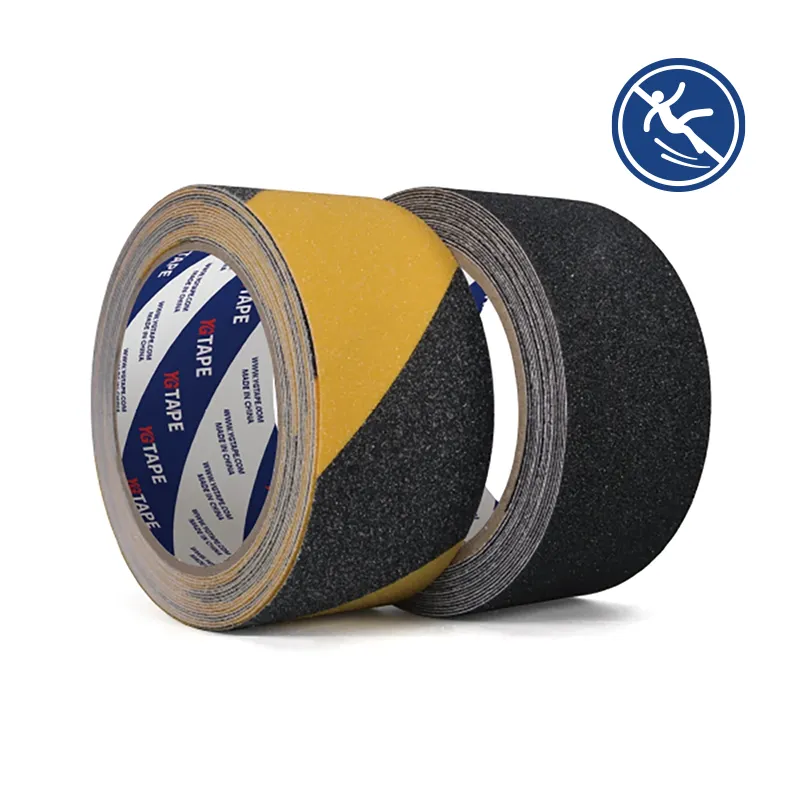


Anti Slip Tape for Stairs: How to Choose the Right Option



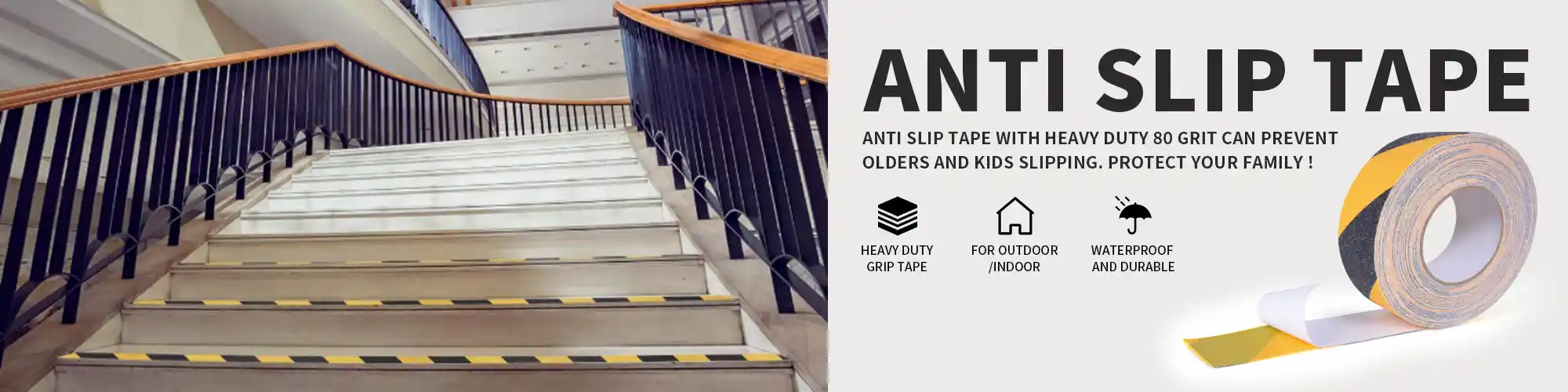
Slippery stairs are a safety risk in homes, commercial buildings, factories, and public spaces. That is why many buyers search for anti slip tape, anti slip tape for stairs, and 3m anti slip tape when they want a fast and practical way to improve grip.
In simple terms, anti slip tape is a safety tape with a textured surface and pressure-sensitive adhesive. It is applied to stairs, ramps, and smooth walking areas to reduce slipping. For most buyers, the best product is not decided by brand alone. Instead, it depends on the stair surface, traffic level, weather exposure, and whether the area is used with shoes or barefoot.
If you need a practical solution for daily use or industrial environments, anti slip tape is widely used to improve traction on steps, floors, and access areas without major installation work.
What Is Anti Slip Tape?
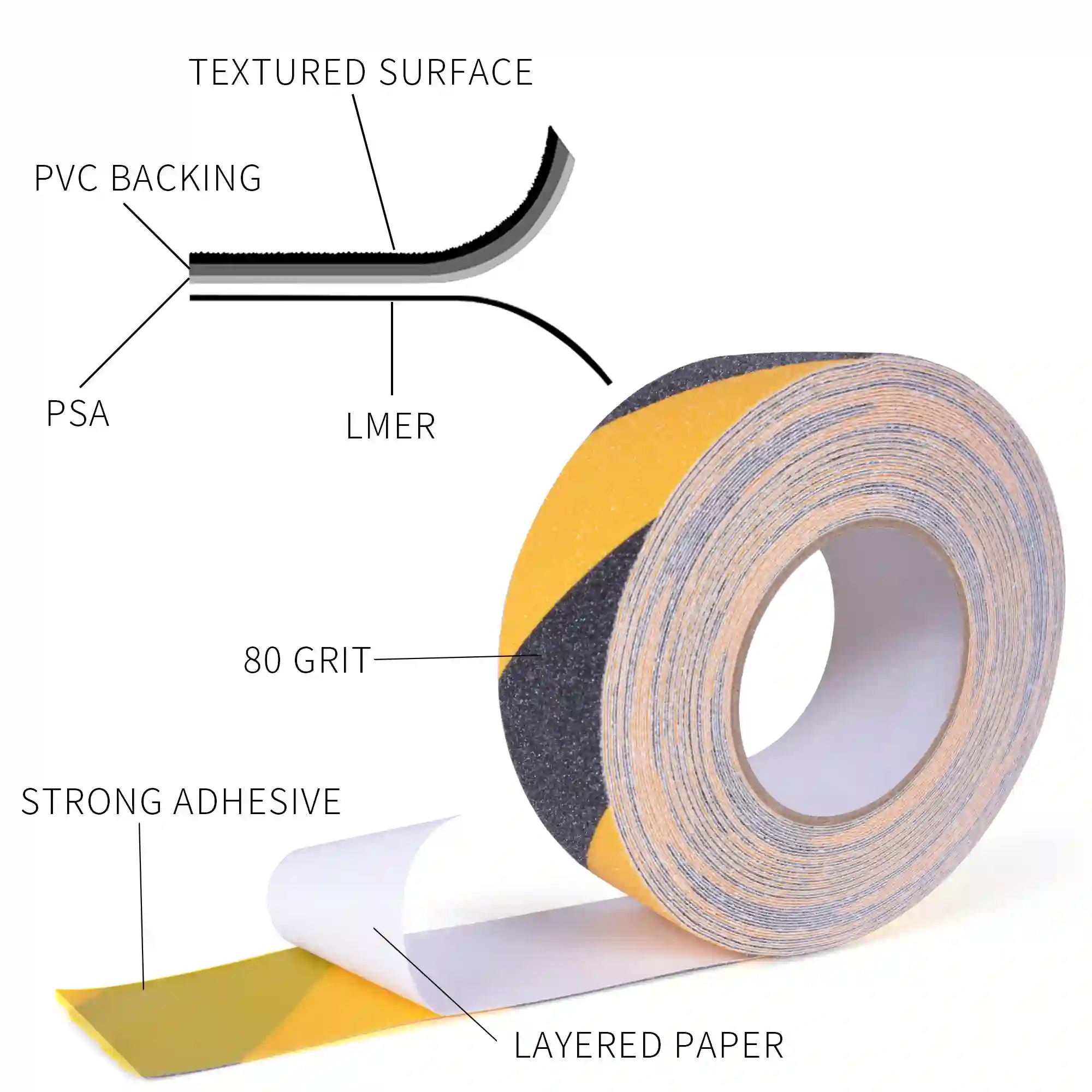
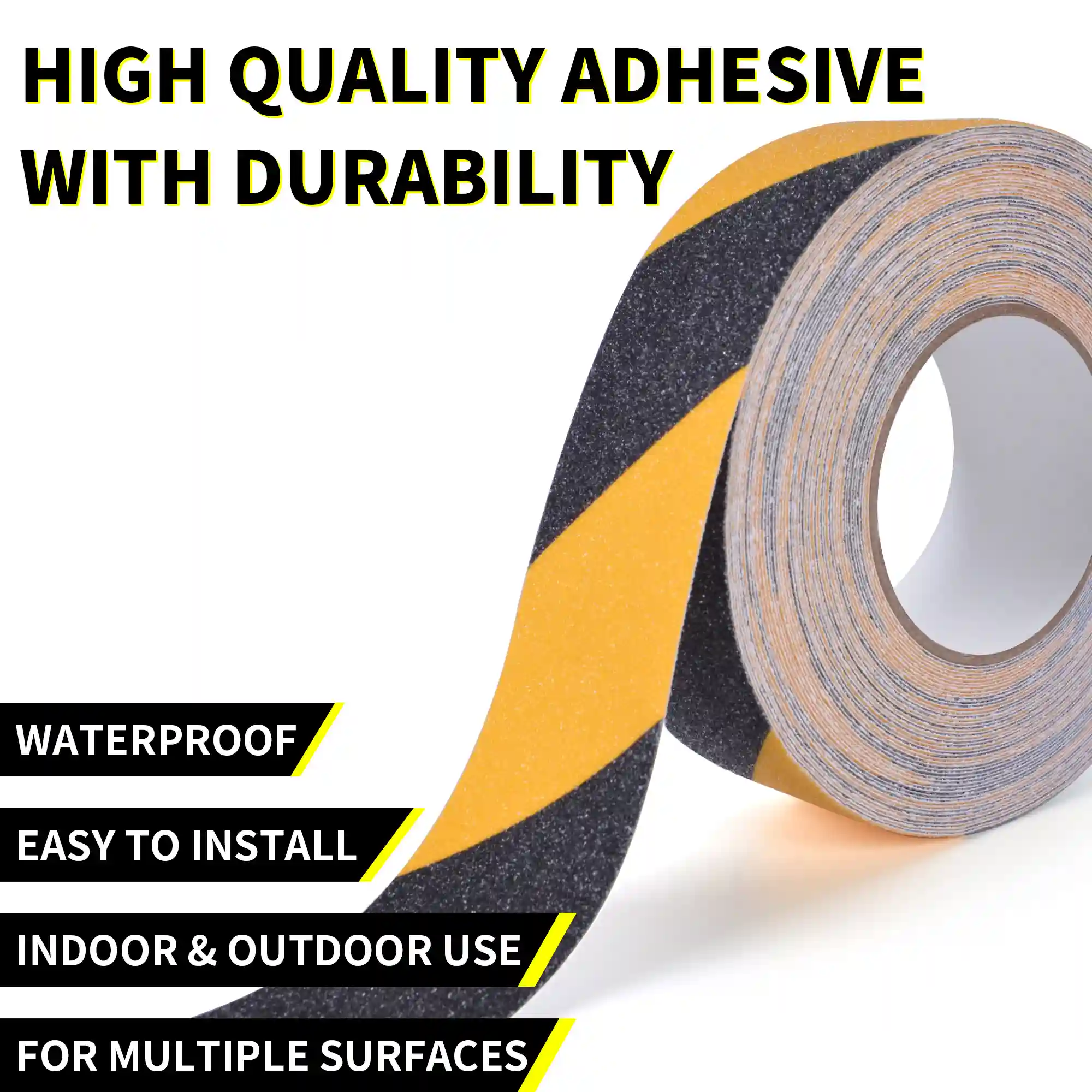
Anti slip tape is a traction tape designed to make slippery surfaces safer. It usually has three layers:
-
A backing layer
-
A textured top surface
-
A strong adhesive layer
These layers work together to create extra grip underfoot. Because of that, anti slip tape is a common safety material for stairs, ladders, loading areas, work platforms, and entry points.
One reason it is so popular is speed. Unlike coatings or stair rebuilds, tape can usually be installed quickly. It is also easy to replace when needed. Therefore, it is often chosen by property managers, contractors, maintenance teams, and facility buyers.
Why Anti Slip Tape for Stairs Is So Popular
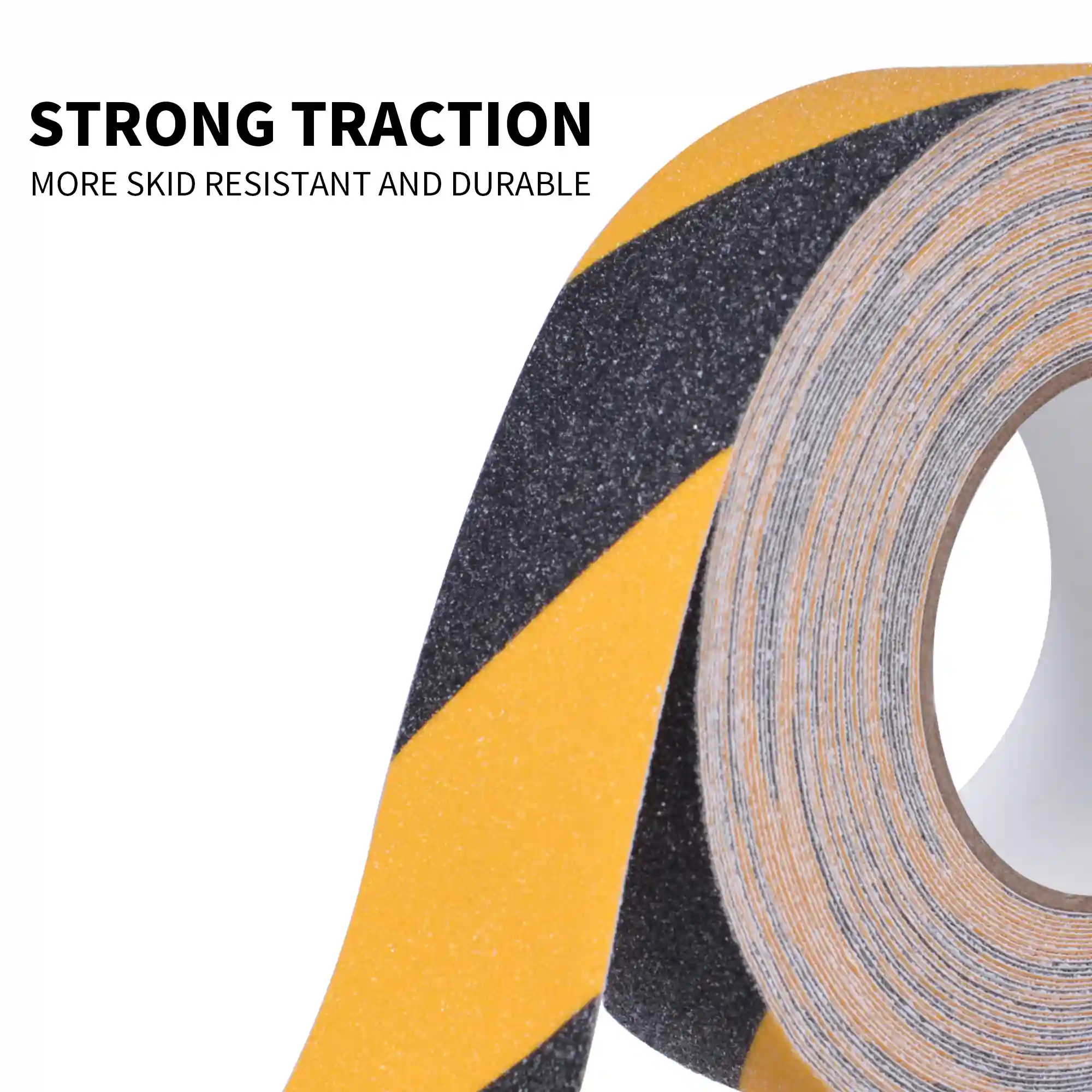
Stairs are one of the most common places where slipping happens. This is especially true when the surface is smooth, worn, wet, dusty, or exposed to heavy foot traffic. Even a small loss of traction can increase the chance of a fall.
That is why anti slip tape for stairs is such a practical choice. It adds grip exactly where people step most often. It can also improve confidence when walking on painted metal stairs, polished concrete steps, tiled entrances, or outdoor stairs exposed to rain.
For many buyers, the biggest benefit is that it solves a real safety problem without adding much cost or downtime. In other words, it is a simple product with clear value.
Where Anti Slip Tape Is Commonly Used
Anti slip tape is not only for stairs. It is also used in many places where safe footing matters.
Common use areas include:
-
Stair treads
-
Stair nosings
-
Ramps
-
Warehouse platforms
-
Loading zones
-
Ladder steps
-
Boat decks
-
Factory walkways
-
Entry steps
-
Renovation sites
It is also useful in projects that combine traction, protection, and workplace safety planning. If you want to see broader use scenarios, decor and industrial safety solutions show how similar materials are used across commercial and industrial environments.
How Anti Slip Tape Works
The textured surface is the key feature. It increases friction between the shoe and the stair or walking surface. As a result, the foot has more grip during movement.
However, texture alone is not enough. The adhesive layer also matters. If the adhesive is weak or the surface is not prepared well, the edges may lift early. So, performance depends on both material quality and proper installation.
This is why buyers should not choose only by appearance. Two tapes may look similar in photos, but they can perform very differently in real use.
What Buyers Usually Mean When They Search 3M Anti Slip Tape
Many buyers search for 3M anti-slip tape because 3M is a familiar benchmark in safety products. In many cases, they are not only looking for that exact brand. They are also looking for reassurance.
Usually, the search means one of these things:
-
They want a trusted reference point
-
They want proven traction performance
-
They want a product for a specific surface
-
They want to compare alternatives before buying
So, if your page can explain clearly how the product performs, where it should be used, and what kind of surface it fits, you can still match this search intent well.
That matters because buyers often begin with a brand-based search, but they make the final decision based on function.
Anti Slip Tape vs Other Stair Safety Options
Buyers often compare anti slip tape with other common safety solutions. Each option has advantages, but tape is usually the easiest place to start.
Anti slip tape vs coating
Anti-slip coatings can work well on large floor areas. However, they often need more preparation and drying time. Tape is faster to install and easier to replace.
Anti slip tape vs rubber mats
Rubber mats may help in wet zones, but they can shift or curl over time. Tape sits directly on the surface, so it usually creates a cleaner and lower-profile finish.
Anti slip tape vs metal stair nosing
Metal nosing is durable, but it usually costs more and takes more labor to install. Tape is often a better fit when speed, maintenance simplicity, and lower cost matter more.
Therefore, anti slip tape is often the most practical choice for quick safety improvement.
How to Choose the Right Anti Slip Tape
The best anti slip tape depends on the application. A product that works well on one stair type may not be the best choice for another.
1. Check the surface type
Start with the surface itself. Is it concrete, painted steel, wood, tile, or another material? Smooth sealed surfaces and rough industrial surfaces do not behave the same way. So, the tape should match the base material.
2. Think about indoor or outdoor use
Outdoor stairs need stronger resistance to water, dust, and changing temperatures. Indoor stairs may face less weather stress, but they can still see heavy traffic.
3. Consider traffic level
A lightly used home stair and a busy warehouse stair do not need the same level of durability. High-traffic areas need stronger construction and better edge stability.
4. Consider the user
Will people use the area in work boots, daily shoes, or barefoot? This question matters more than many buyers expect. Aggressive mineral-grit surfaces may suit industrial shoes well. Softer textures may be better in more comfort-sensitive areas.
5. Look at the wider project need
In some cases, the stair safety product is only one part of a larger job. If you are selecting materials for broader safety or maintenance work, industrial tape accessories can help you compare related options more efficiently.
Why Surface Matching Matters More Than Brand
One of the biggest buying mistakes is assuming that the most famous product is always the best one. In reality, surface fit matters more.
For example:
-
A tape that works well on sealed indoor concrete may not perform the same on rough exterior stairs
-
A tape designed for flat surfaces may not sit well on irregular metal
-
A product chosen for price alone may wear out early in heavy traffic
The best way to choose the right anti slip tape is not to rely on product descriptions alone. Instead, buyers should ask the supplier for a technical data sheet (TDS) and request samples for on-site testing. This allows them to evaluate adhesion, surface compatibility, traction, and durability in real conditions. In this way, they can confirm whether the product fits the intended application and select the most suitable option for their project.
How to Apply Anti Slip Tape on Stairs
Installation is simple, but preparation is important. Even a high-quality tape may fail early if the stair is dirty, wet, oily, or dusty.
A basic installation process looks like this:
-
Clean the stair surface well
-
Remove dust, oil, and loose particles
-
Let the area dry fully
-
Measure the step carefully
-
Cut the tape to fit
-
Peel the liner slowly
-
Apply with firm, even pressure
-
Press the edges down well
For stairs, the tape should sit in the main stepping zone. Usually, that means the front walking area of the tread without hanging over the edge.
Consistent placement across the staircase improves both appearance and function.
What Makes Anti Slip Tape Last Longer
Service life depends on four main factors:
-
Surface preparation
-
Traffic level
-
Weather exposure
-
Product quality
If the surface is cleaned properly and the tape matches the environment, performance usually improves. In contrast, poor installation can shorten service life even when the tape itself is good.
This is why buyers should look beyond the roll itself. Real performance comes from both the product and the application method.
Anti Slip Tape in Construction and Renovation Settings
Construction and renovation sites often include temporary walking areas, unfinished stairs, and surfaces exposed to dust or moisture. In these settings, slip prevention can be part of a larger safety plan.
That is where broader construction solution options become relevant. They help connect stair safety needs with other on-site protection materials used during building, renovation, and maintenance work.
This makes the buying journey more practical for contractors and project teams who need more than one material category.
Common Mistakes to Avoid
Even a simple product like anti slip tape can fail when chosen or used incorrectly.
Here are some common mistakes:
-
Choosing only by price
-
Ignoring surface type
-
Installing on dusty or wet steps
-
Using aggressive grit where comfort matters
-
Applying short strips inconsistently
-
Failing to check edge bonding after installation
Avoiding these basic problems can improve both safety and product life.
Final Thoughts
Anti slip tape is one of the easiest ways to improve stair and floor safety. It is practical, low-profile, and easy to install. More importantly, it solves a real problem in a way that buyers can understand quickly.
Although many users start with searches like 3m anti slip tape, brand recognition should not be the only basis for product selection.
A more practical approach is to request samples from multiple suppliers and compare them through on-site testing. By evaluating adhesion, traction, durability, surface fit, and overall cost-performance under actual working conditions, buyers can identify the product that best matches their application and budget.
FAQ
What is anti slip tape used for?
Anti slip tape is used to improve traction on stairs, ramps, ladders, platforms, and smooth floors. It helps reduce slipping in residential, commercial, and industrial areas.
Is anti slip tape good for outdoor stairs?
Yes. Outdoor stairs often benefit from anti slip tape because rain and dirt can reduce traction. The product should match outdoor conditions and surface type.
Can anti slip tape be used on metal stairs?
Yes. It is commonly used on painted and industrial metal stairs. However, the tape should match the surface condition and traffic level.
Is 3m anti slip tape always the best choice?
Not necessarily. It is a strong benchmark, but the best option depends on surface compatibility, use environment, and durability needs.
How do I make anti slip tape last longer?
Clean the surface well, apply firm pressure during installation, and check the edges regularly in high-traffic or outdoor areas.