


Cold Lamination Film Guide for Digital Printing Protection



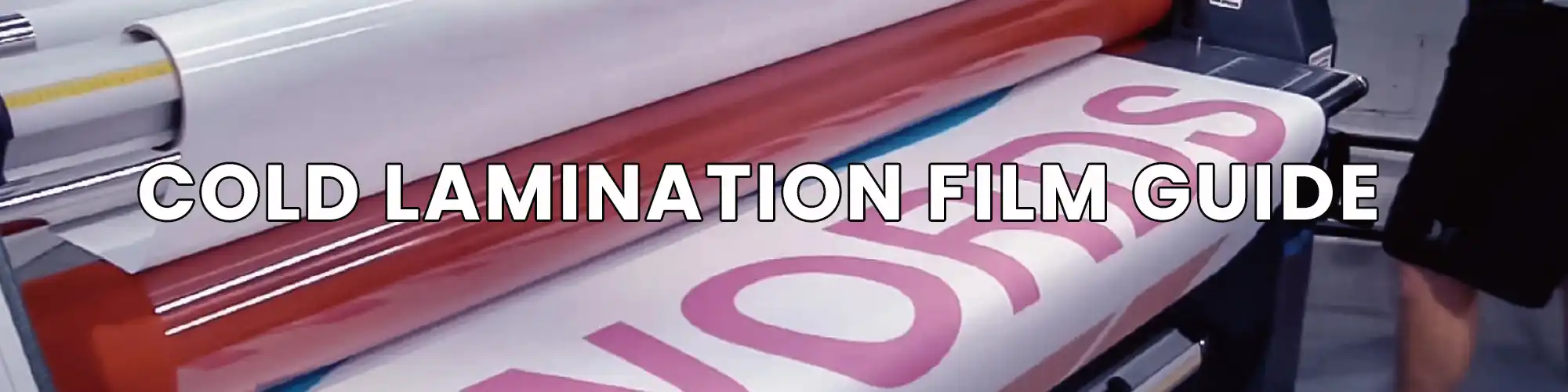
Cold lamination film is a pressure-sensitive laminating film roll designed to protect printed graphics without heat. Both PVC Cold Lamination Film and Linerless Cold Lamination Film improve durability, enhance artistic effects, and keep surfaces easy to clean. Because no heat is required, cold lamination film reduces installation risks and maintains color stability for digital printing applications.
Key Takeaways
- Cold lamination film protects graphics without heat
- PVC Cold Lamination Film offers liner-supported stability
- Linerless Cold Lamination Film reduces waste and cost
- Laminating film roll improves durability and visual appearance
Why YG Lamination Film Solutions
YG Group focuses on industrial adhesive coating technology and digital printing materials. Our lamination film products use acrylic adhesive systems developed for smooth surfaces, dimensional stability, and long-term protection. With advanced coating lines and strict quality control, YG delivers reliable laminating film roll solutions for global advertising and printing industries.
What Is Cold Lamination Film
Cold lamination film uses pressure instead of heat to bond with printed graphics. Therefore, it protects sensitive media and reduces energy consumption during application.
Main advantages:
- No thermal distortion
- Faster production workflow
- Improved surface durability
- Easy maintenance and cleaning
Unlike hot lamination, this process relies on roller pressure. As a result, operators achieve consistent results across large format prints.
👉 laminating film roll collection
PVC Cold Lamination Film: Stable and Precise Protection
PVC Cold Lamination Film is based on PVC film coated with acrylic water-based or solvent adhesive. It includes a yellow or white liner that improves handling during installation.
Key benefits:
-
Excellent surface smoothness
-
Strong dimensional stability
-
Enhanced artistic appearance
-
Easy cleaning performance
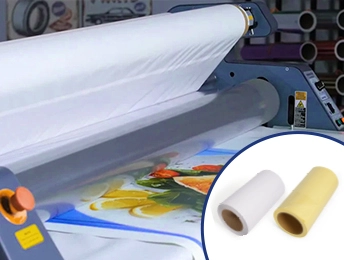
Because the liner supports alignment, installers achieve more accurate positioning.
Linerless Cold Lamination Film: Efficient and Economical
Linerless Cold Lamination Film removes the release liner to reduce waste and improve efficiency. Therefore, it becomes an economical solution for large-volume printing environments.
Advantages include:
- Reduced material waste
- High color reproduction
- Smooth surface protection
- Faster application workflow
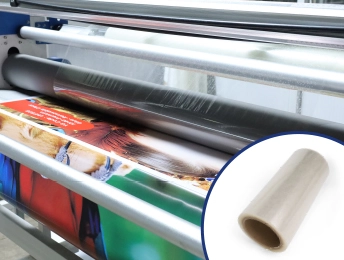
Although alignment requires more experience, production speed increases significantly.
👉Linerless Cold Lamination Film
Original Industrial Testing Insights (YG R&D Data)
YG technical teams conducted internal comparison testing in 2025.
Methodology:
- 20 laminated digital prints
- 30-day indoor exposure
- Weekly cleaning cycles
- Gloss retention measurement
Results:
- PVC Cold Lamination Film showed slightly higher scratch resistance
- Linerless Cold Lamination Film reduced installation time by 18%
- Both films maintained high color performance
Data source: YG Group internal lamination film application testing.
How to Apply Cold Lamination Film
-
Clean printed surface before installation
-
Align laminating film roll with graphic edge
-
Apply consistent roller pressure
-
Remove air bubbles using soft cloth
Because pressure remains constant, adhesive bonding stays stable.
PVC vs Linerless Cold Lamination Film: Key Differences
PVC Cold Lamination Film:
- Includes liner for easier positioning
- Suitable for precision graphic installation
Linerless Cold Lamination Film:
- No liner reduces waste
- Faster workflow for bulk production
Therefore, many print shops use both films depending on project requirements.
Industrial Applications of Lamination Film
Cold lamination film works across multiple industries:
- Advertising graphics
- Photo protection
- Retail signage
- Indoor decoration surfaces
Because acrylic adhesive provides stability, laminated prints maintain visual quality for long periods.
Expert Insight — YG Industrial Coating Perspective
From YG coating engineers’ experience, selecting the right laminating film roll depends more on workflow than thickness. PVC Cold Lamination Film improves handling accuracy, while linerless solutions enhance productivity. Therefore, production environment analysis becomes the key factor when choosing lamination film systems.
FAQ Section
What is cold lamination film used for?
Cold lamination film protects digital prints, improves durability, and enhances surface appearance without using heat.
What is the difference between PVC and linerless lamination film?
PVC versions include a liner for easier positioning, while linerless films reduce waste and speed up production.
Are laminating film rolls suitable for large format printing?
Yes. Pressure-based lamination systems work well for advertising graphics and signage protection.