


Duct Tape vs Gaffer Tape: Key Differences and Uses




What Is the Difference Between Duct Tape and Gaffer Tape?
Duct tape and gaffer tape are both cloth-backed adhesive tapes, but they serve different purposes. Duct tape provides stronger bonding and durability, making it suitable for repair, sealing, bundling, and industrial maintenance. Gaffer tape focuses on clean removal and low light reflection, making it ideal for stage production, film sets, and event setups.
In simple terms:
-
Duct tape = stronger adhesion and durability
-
Gaffer tape = clean removal and matte finish
Understanding these differences helps users choose the right tape for their application.
Duct tape vs gaffer tape: duct tape is stronger and more durable, while gaffer tape is designed for temporary use and clean removal. Duct tape is commonly used for repairs, sealing, and industrial maintenance. Gaffer tape is widely used in film production, stage setups, and cable management because it leaves little or no residue.
When comparing duct tape and gaffer tape, the main differences lie in adhesion strength, surface finish, and residue behavior. Duct tape uses strong rubber-based adhesive and polyethylene backing to provide durable bonding. Gaffer tape uses a woven cloth base with a matte finish and balanced adhesive to allow secure holding while minimizing surface damage.
Quick Comparison: Duct Tape vs Gaffer Tape
| Feature | Duct Tape | Gaffer Tape |
|---|---|---|
| Adhesion Strength | High | Balanced |
| Residue After Removal | May leave residue | Clean removal |
| Surface Finish | PE coated cloth | Matte cloth |
| Light Reflection | Reflective | Low reflection |
| Typical Uses | Repair, sealing, bundling | Film, stage, events |
What Is Gaffer Tape?

Gaffer tape is widely used in film production, stage setups, and event environments.
Our gaffer tape uses a woven fabric base made of cellulose acetate fibers with a bidirectional weave structure. It is coated with hot-melt pressure-sensitive adhesive.
Key features include:
-
balanced peel strength
-
high tensile strength
-
matte surface to minimize light reflection
-
reliable adhesion with clean removal
These characteristics make gaffer tape ideal for environments where light control and temporary fixing are important.
Typical applications include:
-
stage cable management
-
film and television production
-
photography equipment positioning
-
event floor marking
What Is Duct Tape?
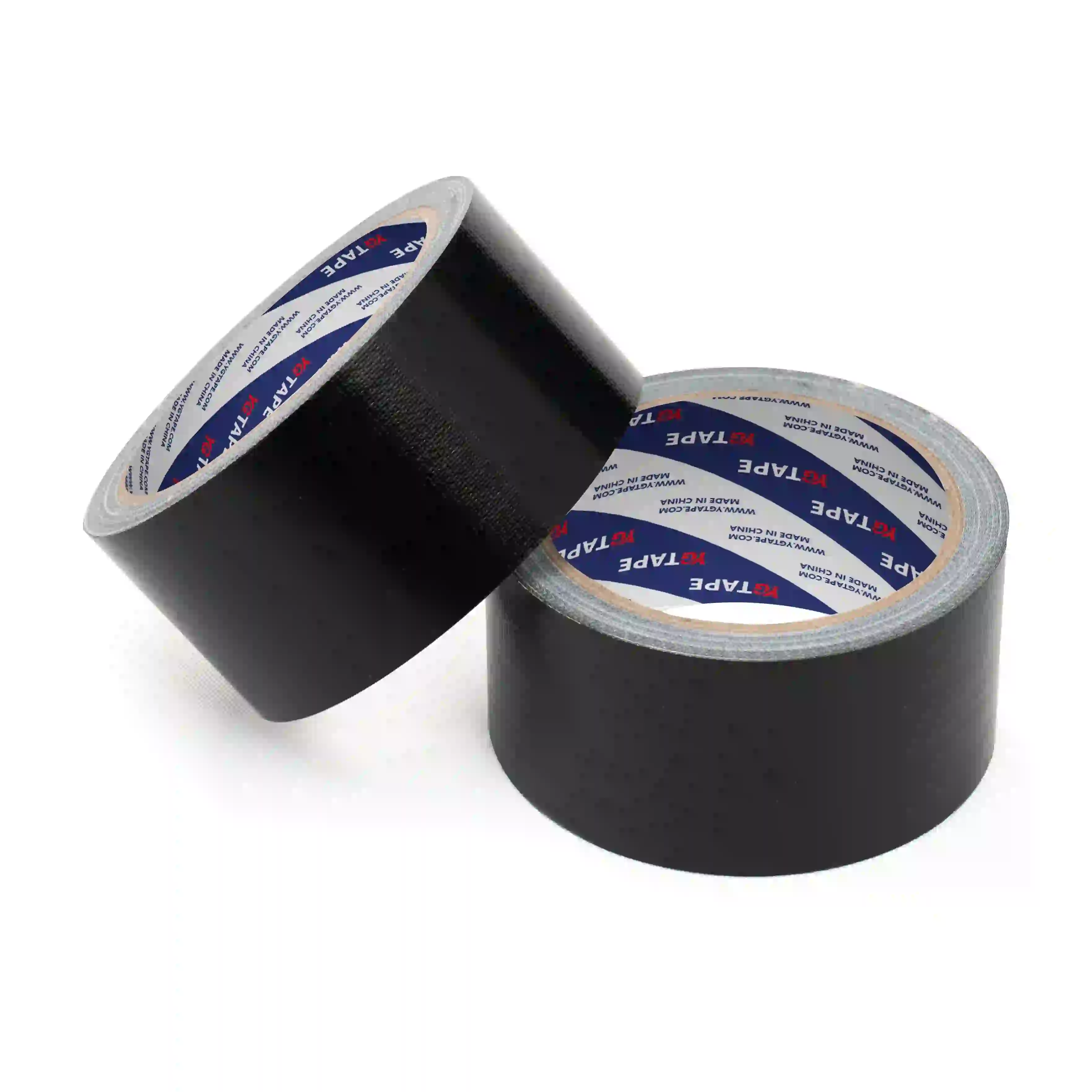
Duct tape is a strong cloth-reinforced adhesive tape designed for repair, sealing, bundling, and maintenance.
Professional natural rubber duct tape uses polyethylene film laminated with cloth backing and coated with natural rubber adhesive.
Key features include:
-
long-lasting fixation
-
temperature and weather resistance
-
waterproof and oil-resistant
-
high tensile strength
Because of these properties, duct tape is widely used for industrial repair, construction maintenance, cable bundling, and packaging reinforcement.
Duct tape is stronger than gaffer tape because it uses aggressive rubber adhesive and reinforced backing. Gaffer tape is easier to remove because it uses balanced adhesive and matte cloth backing designed to protect surfaces.
Structural Differences Between Duct Tape and Gaffer Tape
Although both tapes use cloth reinforcement, their design priorities differ.
Duct tape structure includes:
-
polyethylene protective backing
-
cloth scrim reinforcement
-
strong rubber adhesive
Gaffer tape structure includes:
-
woven cloth backing
-
matte surface treatment
-
balanced adhesive for easy removal
These differences explain why duct tape offers higher strength, while gaffer tape provides cleaner removal.
Choosing between duct tape and gaffer tape depends on the application. Duct tape is typically preferred for repair, sealing, and heavy-duty tasks, while gaffer tape is preferred for temporary stage work, cable management, and film production environments where surface protection and appearance matter.
When to Use Duct Tape
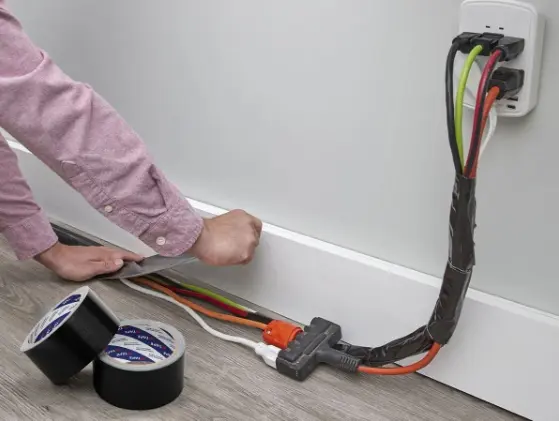
Duct tape is the better option when strong adhesion and durability are required.
Typical uses include:
-
industrial repair
-
equipment maintenance
-
cable bundling
-
construction work
-
packaging reinforcement
For demanding environments, natural rubber duct tape provides strong bonding and reliable performance.
When to Use Gaffer Tape

Gaffer tape is ideal for temporary applications where clean removal is important.
Typical applications include:
-
stage cable management
-
film production setups
-
photography lighting setups
-
event floor marking
Professional gaffer tape provides reliable holding power while protecting surfaces.
Use duct tape for strong bonding and repair tasks. Use gaffer tape for temporary setups where clean removal and low light reflection are important.
How to Choose Between Duct Tape and Gaffer Tape
Choose duct tape if you need:
-
strong adhesion
-
durable repair performance
-
industrial maintenance use
Choose gaffer tape if you need:
-
clean removal
-
matte finish
-
temporary cable management
Duct Tape vs Gaffer Tape Summary
-
Duct tape: stronger adhesion and higher durability
-
Gaffer tape: cleaner removal and reduced light reflection
-
Duct tape: best for repair and industrial use
-
Gaffer tape: best for stage, film, and event setups
FAQ
Is gaffer tape stronger than duct tape?
No. Duct tape generally provides stronger bonding and higher durability.
Does duct tape leave residue?
Yes. Due to its aggressive adhesive, duct tape may leave residue after removal.
Why do film crews use gaffer tape?
Gaffer tape has a matte surface that reduces light reflection and allows clean removal.
Can duct tape be used outdoors?
Yes. Many duct tapes are waterproof and weather resistant for temporary outdoor use.