

Typhoon Protection Tape for Windows: A Practical B2B Buying Guide



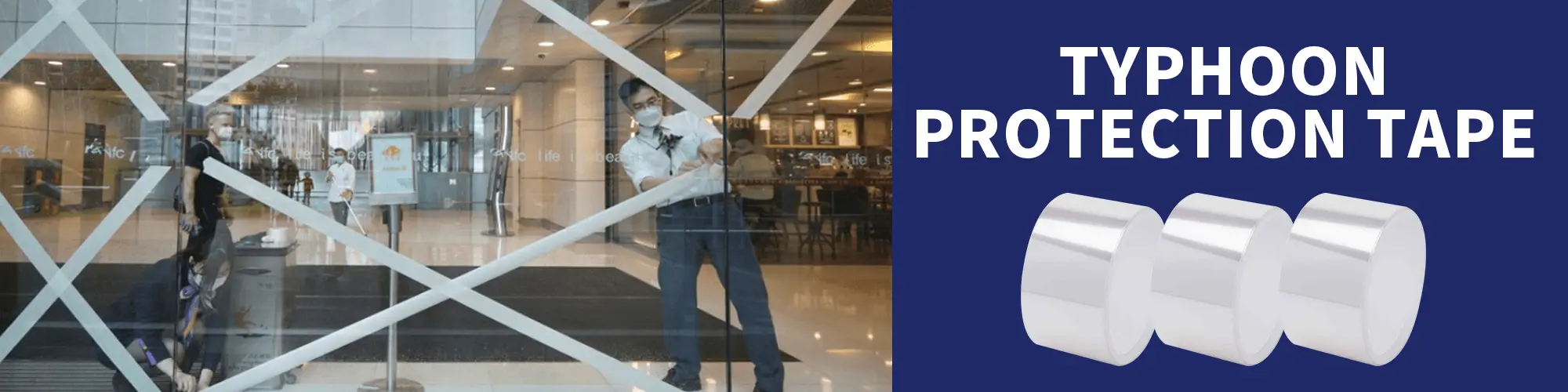
When buyers search for typhoon protection tape, they are usually looking for a practical product for temporary window preparation before severe weather. In B2B purchasing, however, the decision should not be based on the product name alone. The more important questions are how the tape is built, how it performs on glass, and whether the supplier can support stable bulk orders.
For distributors, contractors, facility maintenance teams, and private-label buyers, typhoon protection tape is best understood as a specialized auxiliary tape for temporary window preparation and glass-related emergency use. It is not simply a general-purpose tape with a different label, and it should not be evaluated with household-use standards.
This guide explains what typhoon protection tape is, where it fits in B2B supply, which specifications matter most, and how buyers should compare suppliers before placing bulk orders.
What Is Typhoon Protection Tape?
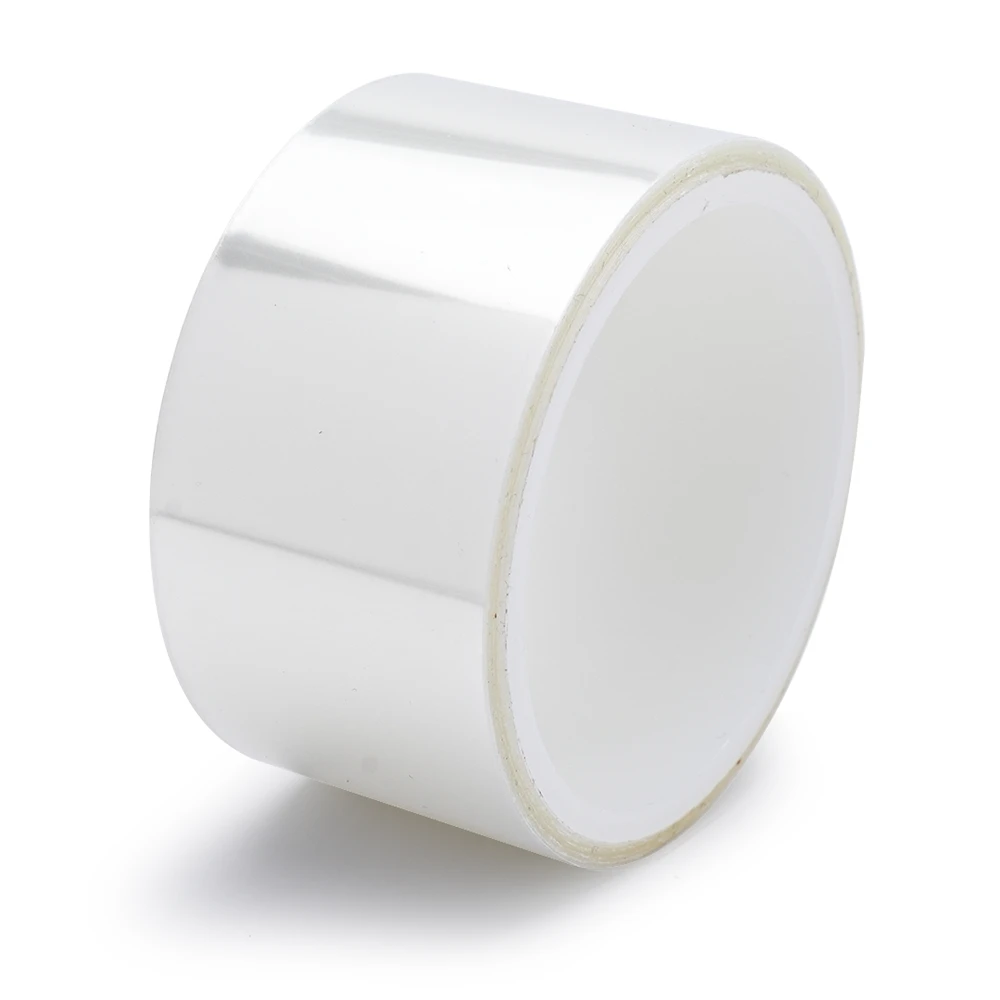
Typhoon protection tape is a pressure-sensitive adhesive tape designed for temporary use on glass surfaces and window areas during severe-weather preparation. In industrial and commercial supply, it is typically positioned for temporary reinforcement support, glass fragment management, and emergency window preparation.
Compared with ordinary utility tape, a dedicated typhoon protection tape is usually selected for its more stable backing, stronger structural behavior, and more consistent adhesion performance. For B2B buyers, the product should be judged by construction and application performance rather than by marketing claims alone.
In practical sourcing, buyers normally evaluate the following:
-
backing material
-
adhesive system
-
total thickness
-
peel adhesion
-
tensile strength
-
elongation
-
installation behavior on glass surfaces
What Can Typhoon Protection Tape Be Used For?
In commercial use, typhoon protection tape is mainly considered an auxiliary material within a broader window-preparation process.
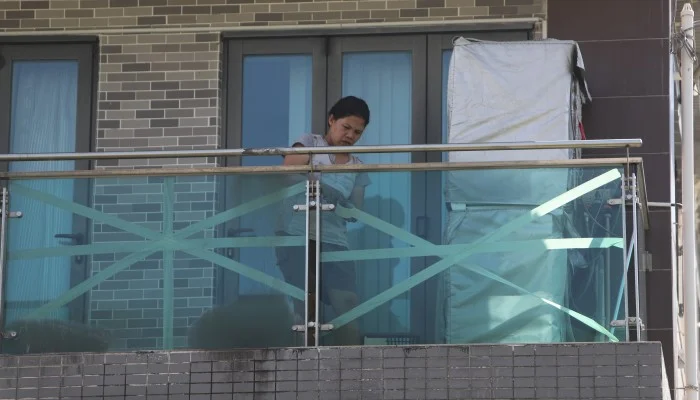
Temporary Window Preparation
The tape can be included in pre-storm window preparation workflows where buildings, stores, or facilities need emergency-use materials ready for fast deployment.
Glass Fragment Management Support
For glass-related emergency applications, the tape may help support more controlled handling if breakage occurs. This is one reason it is often considered for emergency supply kits and temporary protective preparation.
Auxiliary Sealing Work
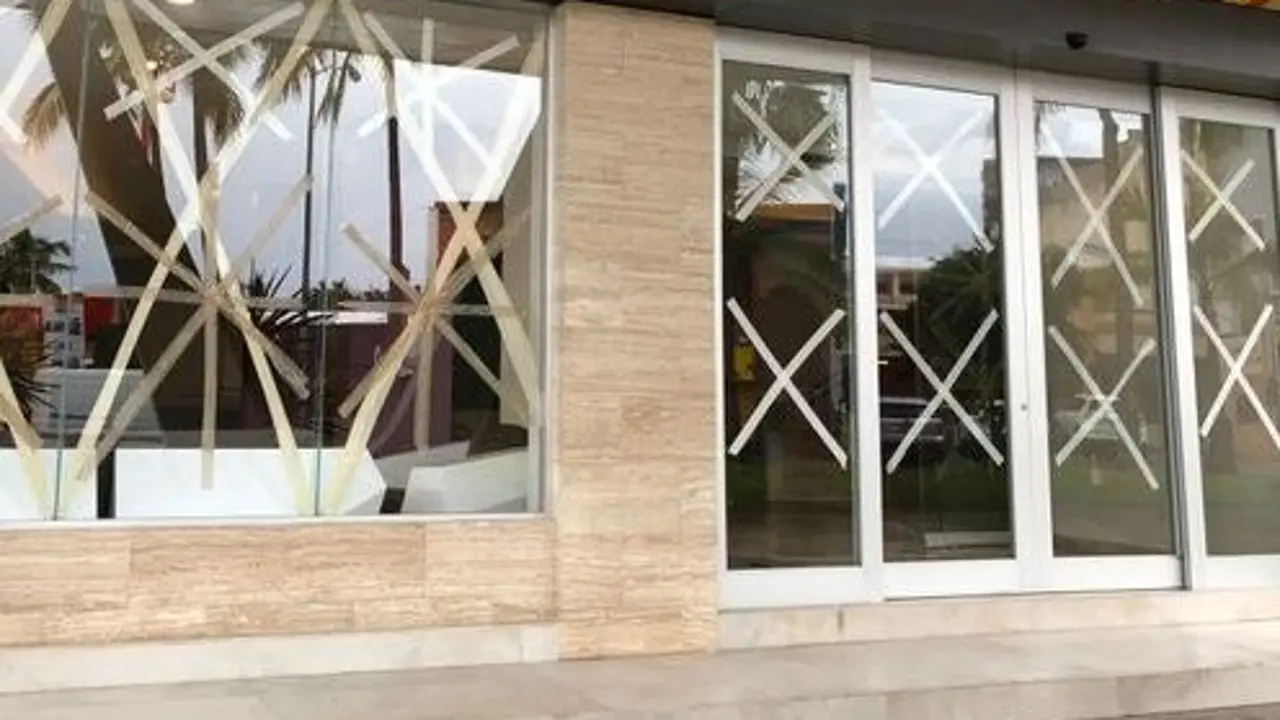
In some short-term protection setups, typhoon protection tape may also be used together with sheeting or covering materials around window areas as part of temporary weather-preparation work.
Preparedness Supply for Commercial Channels
For distributors and maintenance suppliers, the product can serve as a specialized item for hardware channels, facility service programs, project supply, and storm-season emergency inventory.
What It Should Not Replace
This is one of the most important points for B2B communication.
Typhoon protection tape should not be presented as a substitute for:
-
impact-resistant window systems
-
storm shutters
-
reinforced frames
-
engineered storm barriers
-
structural debris-protection systems
A more professional and credible positioning is to describe the tape as a supportive, temporary, and application-specific product, rather than as a full storm-defense solution. This improves trust with buyers and makes the page more aligned with real procurement expectations.
Why Material Structure Matters
Not all typhoon protection tapes are the same. For importers and wholesale buyers, product performance depends heavily on the relationship between the backing and the adhesive system.
PET Film Backing
A PET film backing is commonly valued for dimensional stability, smooth surface behavior, and tensile support. In glass-related applications, this helps create a more controlled installation experience.
Adhesive Performance
The adhesive system affects initial tack, holding force, installation feel, and short-term reliability. Buyers comparing multiple suppliers should look not only at stated adhesion numbers, but also at how consistently the product bonds during sample testing.
Thickness and Handling Balance
Thickness affects strength perception, flexibility, unwind feel, and installation speed. A tape that is too thin may feel weak or unstable in handling, while one that is too rigid may reduce application efficiency. The right balance depends on the intended use case.
Key Specifications Buyers Should Compare
For B2B sourcing, a specification-based comparison is much more reliable than selecting by price alone. Serious buyers should compare both technical data and real application results.
Peel Adhesion
Peel adhesion helps indicate how strongly the tape bonds to the target surface. For glass-related use, the tape should hold reliably while still being practical to apply.
Tensile Strength
Tensile strength affects structural stability during installation. In this category, stronger tensile performance usually supports more consistent handling.
Total Thickness
Thickness affects both product positioning and installation behavior. It should be reviewed together with backing type and adhesive construction.
Elongation
Elongation influences how the tape behaves when pulled during application. A controlled elongation range can improve usability.
Backing Quality
The backing should resist distortion, splitting, poor unwind, and unstable surface performance.
Application Behavior
Technical data is important, but sample performance matters just as much. Buyers should test how the tape feels during actual installation on the intended glass surface.
Common Applications in B2B Supply
Typhoon protection tape can fit a range of commercial supply channels, especially where seasonal preparedness demand exists.
Typical applications include:
-
building maintenance supply
-
facility emergency-preparation programs
-
hardware and home-improvement distribution
-
temporary window-preparation projects
-
disaster-preparedness retail supply
-
OEM and private-label tape programs
For distributors, it can also work as a complementary product within broader tape and surface-protection portfolios.
How to Evaluate Typhoon Protection Tape Samples
For professional buyers, the best method is to request samples from multiple suppliers and compare them under realistic conditions. This is usually more reliable than choosing a product based only on a brochure or a supplier claim.
A practical sample evaluation process includes the following:
Test on the Actual Surface
Apply the tape to the real glass type or window surface it is intended for.
Check Adhesion Stability
Review how quickly it bonds, whether the hold is consistent, and whether edge lifting appears.
Evaluate Handling
Assess unwind smoothness, stiffness, conformability, and installation speed.
Compare Technical Data
Check backing type, thickness, peel adhesion, tensile strength, and elongation.
Review Commercial Terms
Compare MOQ, packaging options, lead time, OEM support, and repeat-order stability.
For most buyers, the better sourcing method is not to judge by brand name alone. It is to compare multiple supplier samples, test them on the target surface, and then choose the product with the best performance-to-cost fit.
OEM and Private Label Considerations
For importers, distributors, and regional brands, performance is only part of the decision. Commercial flexibility is also important.
When evaluating a typhoon protection tape manufacturer, buyers should check whether the supplier can support:
-
private-label packaging
-
customized roll sizes
-
carton customization
-
printed labels or cores
-
stable production capacity
-
export packing and shipment coordination
-
repeat-order quality consistency
A supplier with stronger OEM capability is usually better suited for long-term B2B cooperation.
How to Choose the Right Typhoon Protection Tape Supplier
The right supplier is not always the one with the lowest quoted price. In this category, buyers should assess the total fit between product quality, commercial support, and supply stability.
A more professional selection process is:
Define the Actual Use Case
Clarify whether the tape is intended for wholesale resale, emergency kits, contractor supply, project procurement, or OEM branding.
Request Samples from Multiple Suppliers
Do not rely on one source only. Sample comparison across multiple suppliers gives a clearer view of quality differences.
Review Specification Sheets Carefully
Confirm that the stated technical data matches the intended use.
Assess Supply Capability
Check whether the manufacturer can support volume, lead time, packaging requirements, and repeat orders.
Choose the Best Overall Fit
The best option is usually the supplier that offers the strongest combination of product consistency, commercial flexibility, and cost efficiency.
For serious procurement teams, sample comparison across several suppliers is usually a better decision method than choosing by supplier name or headline claims alone.
Final Thoughts
Typhoon protection tape is best positioned as a specialized tape for temporary window preparation and auxiliary glass-related protection work. For B2B buyers, the key decision factors should be material structure, adhesive behavior, tensile performance, sample-test results, and supplier capability.
If you are sourcing typhoon protection tape for wholesale, distribution, OEM, or project supply, the most practical approach is to compare multiple supplier samples, test them on the actual target surface, and select the product that offers the best balance of performance, stability, and commercial value.
FAQ
What is typhoon protection tape for windows?
Typhoon protection tape for windows is a specialized adhesive tape used for temporary preparation on glass surfaces before severe weather or emergency situations.
Can typhoon protection tape be supplied for wholesale orders?
Yes. Many manufacturers offer typhoon protection tape for wholesale supply, distribution, and OEM or private-label programs.
What should buyers compare before ordering?
Buyers should compare backing material, adhesive system, peel adhesion, tensile strength, thickness, application performance, MOQ, packaging options, and supply stability.
Is sample testing important before bulk purchase?
Yes. For B2B procurement, sample testing is one of the best ways to compare multiple suppliers and identify the product with the most suitable performance-to-cost ratio.
Can typhoon protection tape be customized for OEM business?
Yes. Depending on the supplier, OEM options may include roll size customization, private-label packaging, carton design, and export packing support.