

How to Use Butyl Tape: Applications, Benefits, and Installation Tips



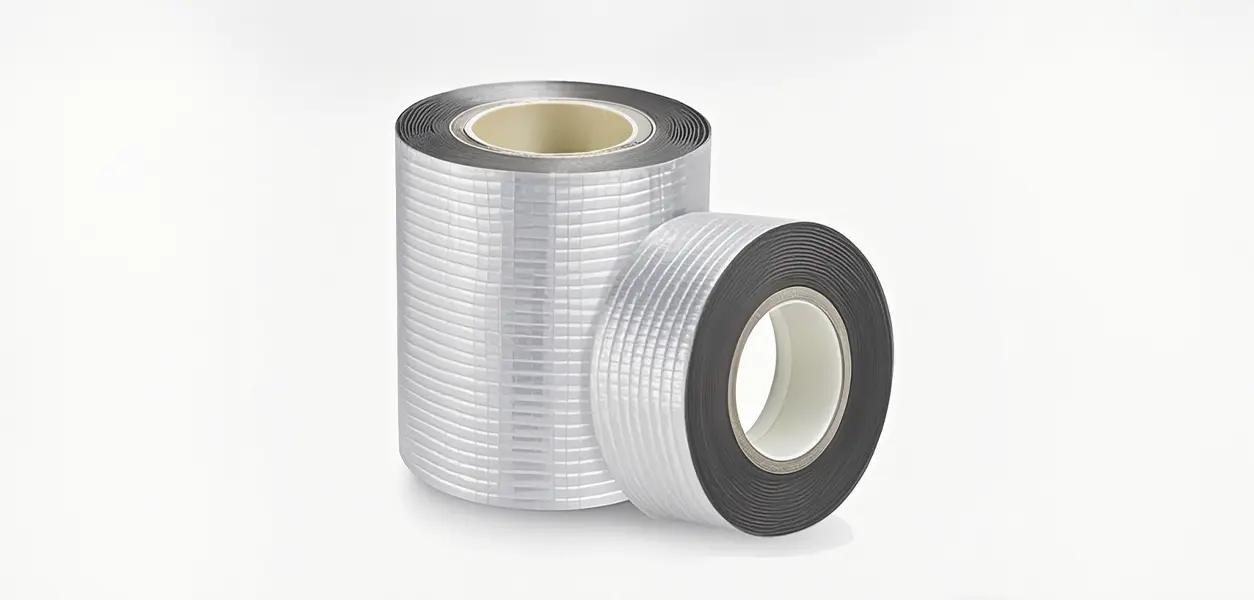
When buyers search for butyl tape, many of them are not only asking what it is. They are also trying to understand how to use butyl tape correctly, where it works best, and how to choose the right product for sealing and waterproofing jobs.
In practical applications, butyl tape is widely used for roofing joints, window and door frames, RV and trailer repair, metal panels, and general waterproof sealing.
For B2B buyers, contractors, and distributors, the key is not just knowing that butyl tape is waterproof. The more important question is how to apply it properly, how to compare products, and how to match the tape to the intended surface and working environment.
What Is Butyl Tape?
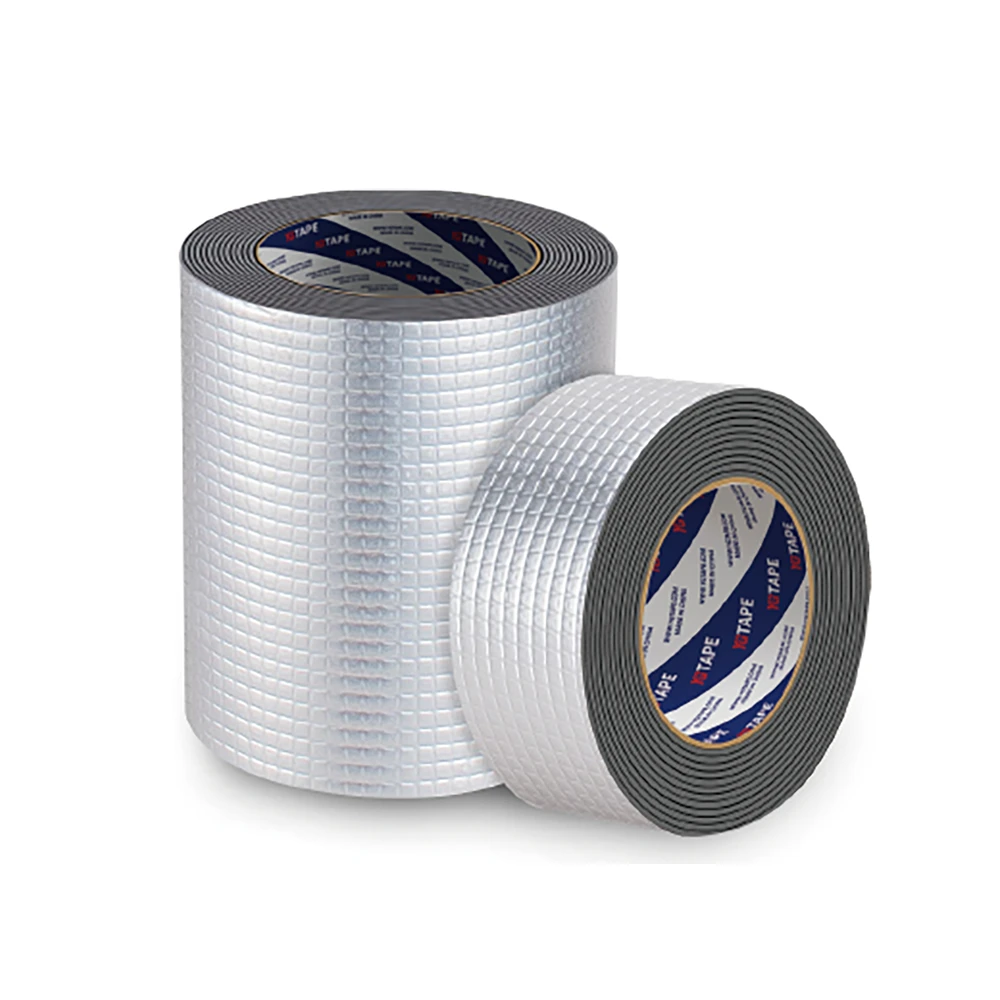
Butyl tape is a sealing tape made primarily from butyl rubber, a material known for strong adhesion, flexibility, and waterproof sealing performance.
Unlike some rigid sealants that can dry out or crack, butyl tape is commonly valued because it remains tacky, flexible, and conformable. That makes it suitable for applications where a tight seal is required around joints, seams, edges, and overlaps.
For buyers, the value of butyl tape is not only in the material itself, but also in whether the tape matches the target application, substrate, and installation method.
What Is Butyl Tape Used For?
One reason butyl tape gets strong interest is that it can be used across multiple industries. It is commonly selected for sealing, waterproofing, weather protection, and gap filling in demanding environments.
Roofing and Flashing
Butyl tape is often used to seal roofing seams, overlaps, flashings, and panel joints. In these applications, buyers usually care most about water resistance, long-term flexibility, and adhesion stability.
Window and Door Sealing
For window and door installation, butyl tape is commonly used around joints and connection areas where moisture and air leakage need to be controlled.
RV and Trailer Repair
RV and trailer users often choose butyl tape for sealing around roof components, trim, vents, windows, and side panels because of its waterproof sealing ability and flexible fit.
Metal Panels and Construction Joints
In construction and industrial use, butyl tape is also used on metal panels, lap joints, and weather-exposed seams, especially where a non-hardening seal is preferred.
Why Buyers Choose Butyl Tape
A page targeting how to use butyl tape should not just list features. It should explain why buyers choose butyl tape instead of general-purpose tape or other sealing materials.
Strong Waterproof Sealing
One of the biggest reasons buyers choose butyl tape is its waterproof sealing performance. It is widely used where joints and seams need protection from water intrusion and outdoor exposure.
Long-Term Flexibility
Another advantage is long-term flexibility. This matters because many sealing applications involve movement, vibration, expansion, or contraction over time.
Easy Application
Buyers also like butyl tape because it is generally easy to apply. In many common applications, it does not require complicated installation tools.
Good Surface Conformability
Because butyl tape is soft and tacky, it can conform well to uneven joints, overlapping materials, and irregular surfaces. This is especially useful in roofing, RV, and construction sealing work.
How to Use Butyl Tape Correctly
For both end users and B2B buyers, installation method affects performance just as much as product quality. If the tape is applied poorly, even a good product may not perform as expected.
1. Clean the Surface
Before applying butyl tape, make sure the surface is clean, dry, and free from dust, oil, or loose particles. This is one of the most basic but most important steps for consistent adhesion.
2. Measure and Cut the Tape
Cut the required length before removing the release liner. For longer seams, planning the application path first usually helps improve placement accuracy and reduce waste.
3. Apply Evenly Without Overstretching
Place the tape carefully along the joint or seam and press it down evenly. Avoid excessive stretching during installation, especially on corners or irregular surfaces.
4. Apply Firm Pressure
Use hand pressure or a suitable roller if needed to improve surface contact. In sealing applications, even pressure usually helps create a more reliable bond.
5. Seal Overlaps and Edges Properly
Where joints overlap or corners are involved, make sure there are no lifted edges, gaps, or weak transitions. In roofing and flashing use, these details often affect final waterproof performance.
Common Mistakes When Using Butyl Tape
A useful page should also explain what buyers and users should avoid.
Applying to Dirty or Wet Surfaces
This is one of the most common reasons for poor adhesion and seal failure.
Choosing Tape by Price Alone
For B2B procurement, the cheapest roll is not always the best choice. Backing structure, butyl quality, thickness, liner quality, and application fit all matter.
Ignoring the Actual Use Case
A tape suitable for RV repair may not be the best option for a metal roofing seam or a window flashing detail. Buyers should always match the product to the intended application.
Skipping Sample Testing
For wholesale or project purchasing, a better method is to compare samples from multiple suppliers and test them on the actual substrate before placing a larger order.
How B2B Buyers Should Evaluate Butyl Tape
For B2B sourcing, buyers should focus on more than just product name. The better approach is to evaluate application fit, sealing performance, handling behavior, and supplier support.
Important evaluation points include:
-
adhesion stability
-
thickness
-
flexibility
-
release liner quality
-
ease of application
-
waterproof sealing performance
-
OEM and packaging options
For serious procurement, the better process is usually to request samples from multiple suppliers, compare real installation behavior, and then choose the product with the best performance-to-cost fit.
When to Use Butyl Tape Instead of General-Purpose Tape
General-purpose tape may work for short-term fixing, but it is not always suitable for long-term sealing or waterproofing work.
If the application involves:
-
water exposure
-
outdoor weathering
-
metal joints
-
roof seams
-
window or door perimeters
-
RV or trailer sealing
then butyl tape is usually a more relevant option than standard household tape.
This is especially important for buyers who need reliable sealing performance rather than temporary surface fixing.
Final Thoughts
Butyl tape is widely used because it combines strong adhesion, waterproof sealing, flexibility, and application convenience. It can work well in roofing, windows, RV repair, construction joints, and metal panel sealing when it is matched to the right application and installed correctly.
If your goal is to improve results, this page should focus on the practical intent behind the query: how to use butyl tape, not just a broad introduction.
For B2B buyers, the best approach is to compare products by application fit, request samples, and select the tape that delivers the most reliable sealing performance for the target use case.
FAQ
What is butyl tape used for?
Butyl tape is commonly used for roofing seams, window and door sealing, RV repair, metal panel joints, and waterproof construction applications.
Is butyl tape waterproof?
Yes. Butyl tape is widely used where waterproof sealing is required around joints, seams, and exposed areas.
How do you apply butyl tape?
Apply butyl tape on a clean, dry surface, place it evenly along the seam, press it down firmly, and make sure edges and overlaps are sealed properly.
Can butyl tape be used for RV repair?
Yes. Butyl tape is commonly used in RV and trailer sealing applications, especially around windows, vents, trims, and roof details.
What should buyers compare before ordering butyl tape?
Buyers should compare thickness, flexibility, adhesion behavior, waterproof sealing performance, liner quality, and sample-test results before bulk ordering.