

Flatback Kraft Tape vs Writable Paper Tape: What Is the Difference?



When buyers look for kraft paper tape, they often find products that appear similar at first glance. But in real packaging work, different kraft tapes are designed for different tasks.
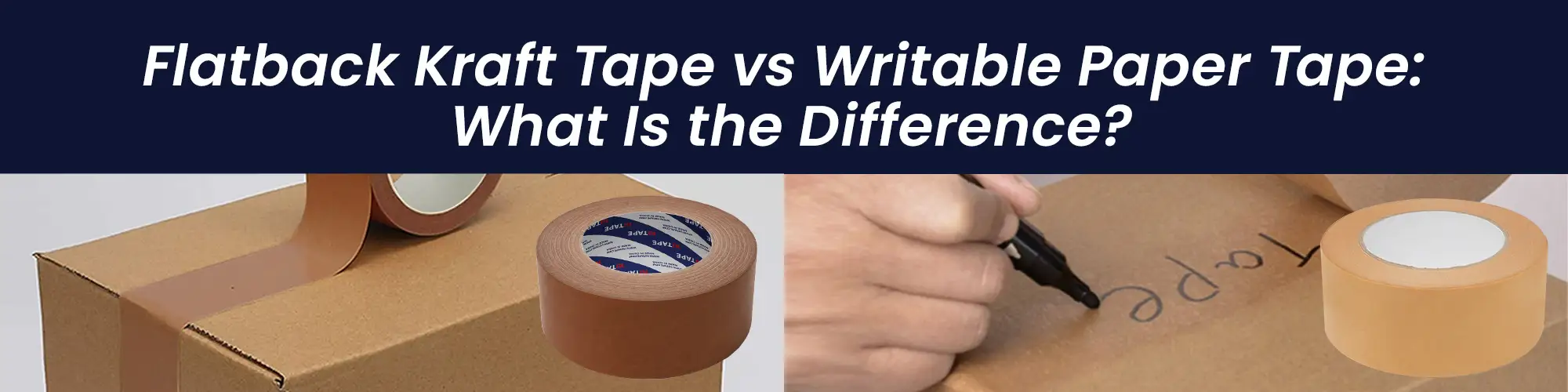
At YG Group, Flatback Kraft Tape and Writable Paper Tape serve different purposes. Flatback Kraft Tape is better suited for carton sealing, packaging, splicing, and industrial use, while Writable Paper Tape is more suitable for manual marking, carton identification, and packaging organization.
For B2B buyers, choosing the right tape is not just about paper appearance. It depends on how the tape will be used, whether writing is needed, and whether stronger sealing performance is required.
What Is Flatback Kraft Tape?
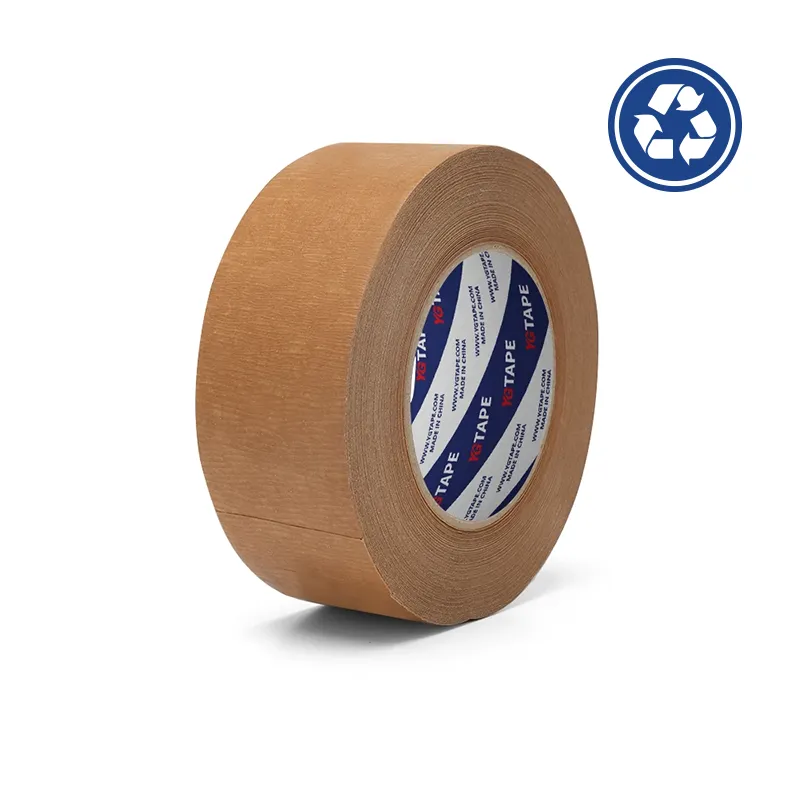
Flatback Kraft Tape is a kraft paper tape designed for packaging and industrial applications. Compared with more general writable paper tapes, it is positioned more toward sealing strength, application stability, and broader industrial use.
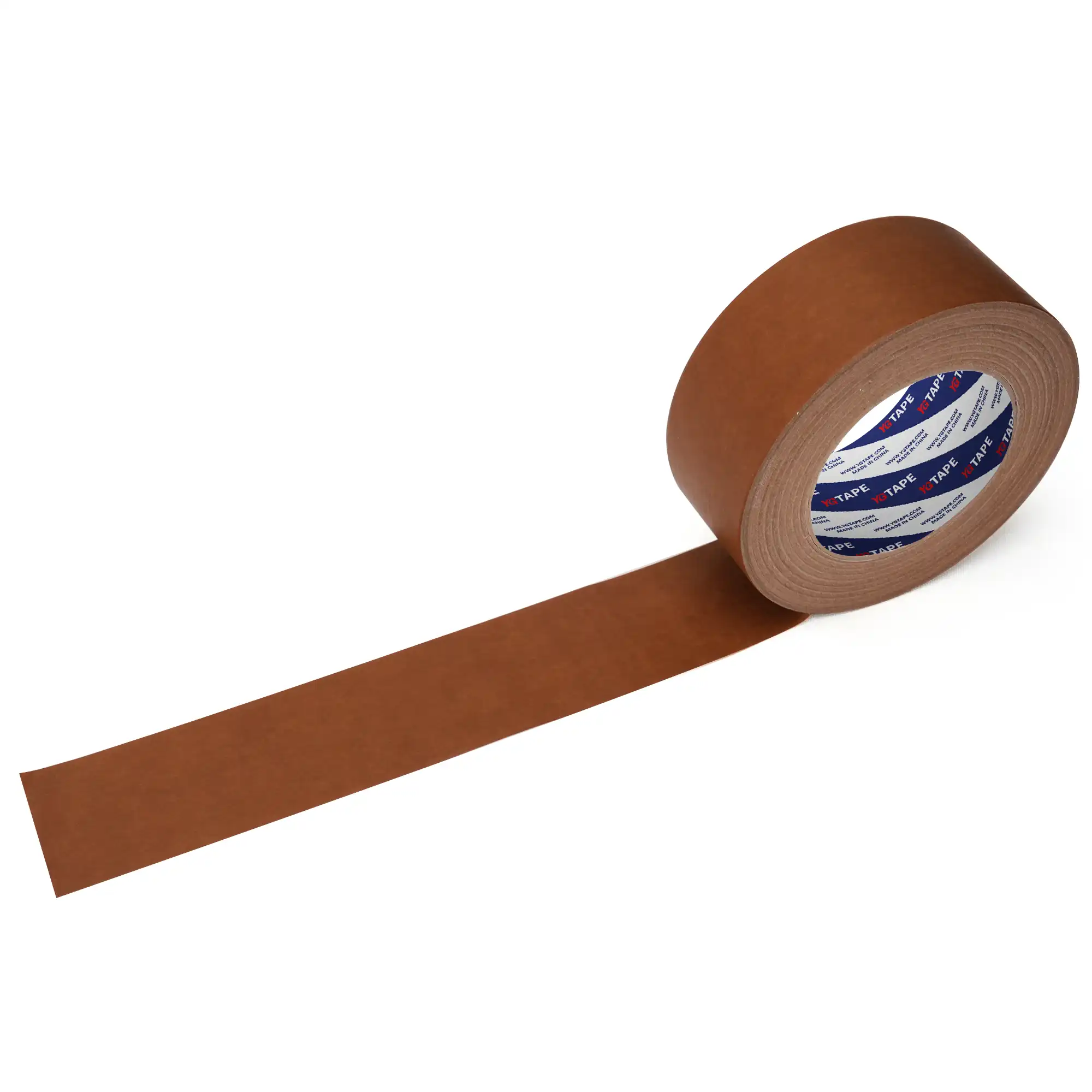
On YG Group’s product page, Flatback Kraft Tape is described as a product suitable for carton sealing, packaging, picture framing, and splicing. This makes it a practical option for buyers who need more than simple carton marking.
Its product data also shows a stronger performance-oriented profile, including peel strength, tensile strength, initial tack, and holding power. For buyers comparing kraft tapes for operational use, this usually means flatback kraft tape is better suited for applications where sealing reliability matters more.
Flatback Kraft Tape Video: Surface, Structure, and Application
A product video helps buyers understand Flatback Kraft Tape more clearly. It shows the tape’s paper surface, structure, and real-use presentation in a more direct way than text alone.
For buyers comparing Flatback Kraft Tape and Writable Paper Tape, this kind of visual content helps explain why Flatback Kraft Tape is often chosen for carton sealing, packaging, splicing, and other industrial applications.
Video Link: Platback Kraft Tape
From the video, buyers can get a more intuitive understanding of how YG Flatback Kraft Tape looks and works in practical use. This is especially useful for importers, distributors, and packaging buyers who want to evaluate the tape beyond a simple product description.
What Is Writable Paper Tape?
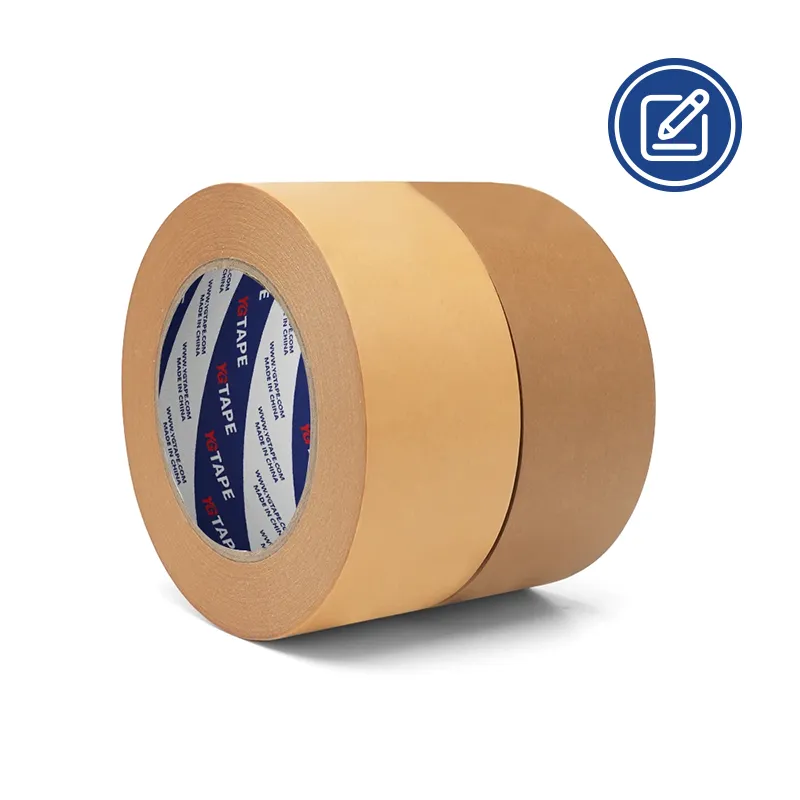
Writable Paper Tape is a kraft paper tape designed for packaging applications where clear handwriting and easy identification are important.
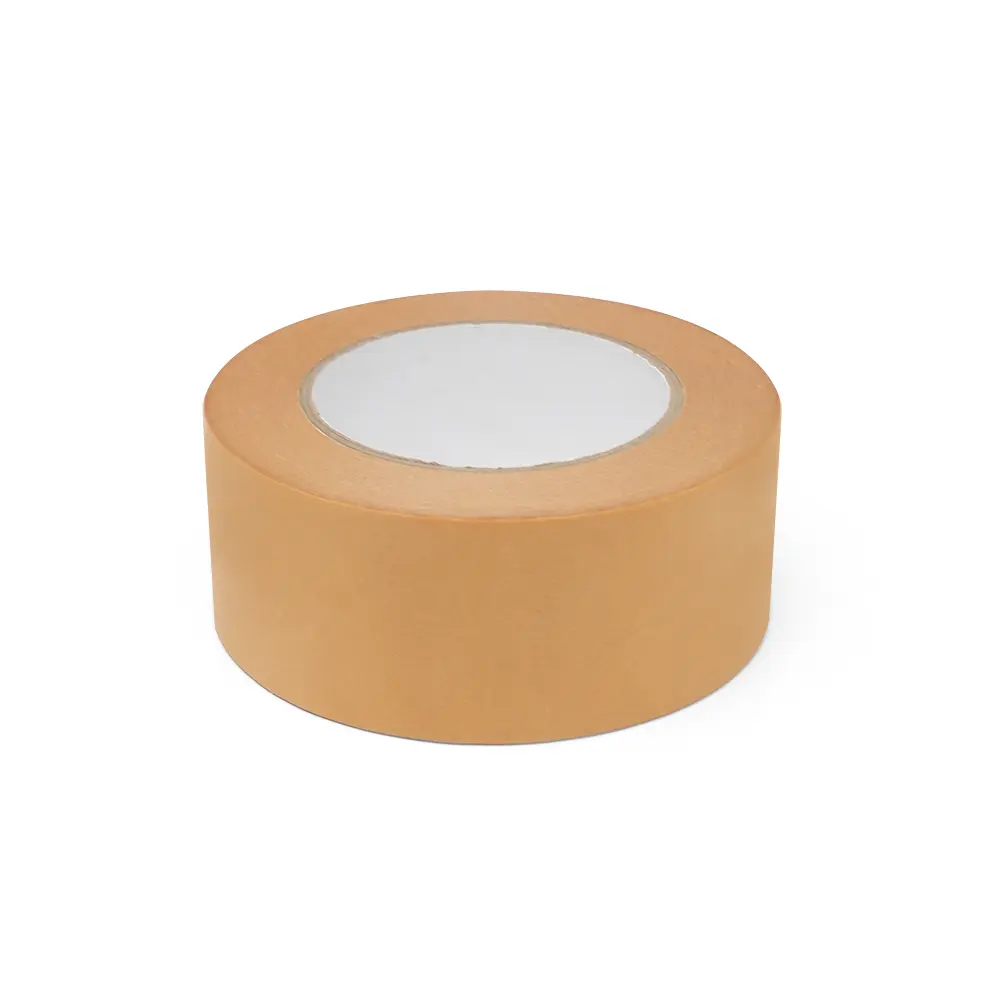
Compared with Flatback Kraft Tape, this product is more focused on manual marking, labeling convenience, office organization, and packaging workflows that require handwritten notes. For example, it can be used when warehouse staff need to write product names, shipping notes, order information, or handling instructions directly on the tape.
This makes writable paper tape a practical choice for operations where organization and visibility matter as much as sealing.
Flatback Kraft Tape vs Writable Paper Tape: The Main Differences
1. Different Product Purpose
The biggest difference is their intended use.
Flatback Kraft Tape is more suitable for:
- carton sealing
- packaging
- splicing
- picture framing
- industrial tasks
Writable Paper Tape is more suitable for:
- manual marking
- carton identification
- office organization
- packaging with handwritten notes
So in practical terms, one is more focused on application performance, while the other is more focused on writing convenience.
2. Surface Function Is Not the Same
If your team needs to write directly on the tape, Writable Paper Tape is the more suitable option.
Its key value is the smooth writable surface, which allows users to add notes or identifiers directly during packing, sorting, storage, or shipping preparation.
By contrast, Flatback Kraft Tape is not mainly positioned as a writing surface. Its value is more about packaging use, cleaner presentation, and broader functional application.
That means the buying decision often starts with a simple question:
Do you need a tape for sealing, or a tape for sealing plus writing?
3. Adhesive Systems Are Different
Another important difference is the adhesive type.
Flatback Kraft Tape uses hot melt adhesive.
Writable Paper Tape uses natural rubber adhesive.
For buyers, adhesive type matters because it can affect application feel, bonding style, and the overall fit for the packaging workflow.
Even when two kraft tapes look similar visually, they may behave differently in actual use because of the adhesive system behind them. That is why B2B buyers should compare the product structure, not just the surface color or general product name.
4. Flatback Kraft Tape Is More Packaging-Oriented
From a purchasing perspective, Flatback Kraft Tape is the more packaging-oriented and industrially positioned product.
It is better suited for buyers who care about:
- stronger sealing performance
- broader use scenarios
- splicing or framing applications
- industrial packaging environments
- more application stability in daily operations
This makes it a better fit for customers in sectors such as e-commerce, logistics, transportation, manufacturing, and general industrial packaging.
5. Writable Paper Tape Is Better for Marking and Organization
Writable Paper Tape is a better fit when the packaging process includes manual information handling.
It is especially useful when operators need to:
- mark carton contents
- identify shipment batches
- add temporary warehouse notes
- write storage or sorting information
- combine sealing and simple labeling in one step
In these situations, the value is not just the tape itself. The value is that the tape becomes part of the packaging communication process.
Which Tape Should Buyers Choose?
The right choice depends on the actual use case.
Choose Flatback Kraft Tape if you need:
- stronger carton sealing
- industrial packaging use
- splicing or framing applications
- a more performance-oriented kraft tape
- a tape better suited for packaging operations
Choose Writable Paper Tape if you need:
- a writable tape surface
- easy carton identification
- manual marking during packing
- office or warehouse organization
- simple packaging plus handwritten labeling
For many B2B buyers, these two products do not directly replace each other. Instead, they support different parts of the packaging workflow.
How B2B Buyers Should Compare Kraft Tapes
When sourcing kraft paper tape, buyers should not compare products by name alone. A better method is to compare the following points:
Backing structure
Is the product designed more for packaging performance or writing convenience?
Adhesive type
Does it use hot melt adhesive or natural rubber adhesive?
Main use case
Will the tape be used for carton sealing, splicing, framing, marking, or office organization?
Workflow fit
Does the packaging process require handwritten notes, or is sealing strength the main priority?
This is a more practical way to choose the right kraft tape for procurement, distribution, or OEM supply.
Why This Difference Matters in Packaging Operations
In many packaging environments, a tape is not selected only by price or appearance. It is selected by whether it fits the real workflow.
If the tape needs to support faster identification and handwritten notes, Writable Paper Tape offers a clear advantage.
If the tape needs to support broader packaging use and stronger functional application, Flatback Kraft Tape is usually the better option.
That is why buyers should not treat all kraft tapes as the same product category. A more precise choice can improve packaging efficiency and reduce mismatched purchasing.
Conclusion
Although both products belong to the kraft paper tape category, Flatback Kraft Tape and Writable Paper Tape are designed for different packaging priorities.
Flatback Kraft Tape is the better choice for buyers who need carton sealing, packaging, splicing, and broader industrial application.
Writable Paper Tape is the better choice for buyers who need clear handwriting, easy carton marking, and packaging organization.
For B2B sourcing, the best choice comes from matching the tape to the real packaging workflow. If sealing performance matters more, choose Flatback Kraft Tape. If writing and identification matter more, choose Writable Paper Tape.
FAQ
What is the difference between Flatback Kraft Tape and Writable Paper Tape?
Flatback Kraft Tape is mainly used for carton sealing, packaging, splicing, and industrial use, while Writable Paper Tape is designed for manual marking, carton identification, and packaging organization.
Can I write directly on Writable Paper Tape?
Yes. Writable Paper Tape is designed with a writable paper surface that supports clear handwriting for packaging and storage identification.
Is Flatback Kraft Tape better for carton sealing?
For buyers who prioritize packaging performance and broader industrial use, Flatback Kraft Tape is usually the better choice.
Which kraft tape is better for warehouse marking?
If warehouse staff need to write directly on the tape, Writable Paper Tape is the more suitable option.
Can these two kraft tapes be used in the same packaging workflow?
Yes. In some operations, Flatback Kraft Tape can be used for stronger sealing tasks, while Writable Paper Tape can be used for identification, marking, and organization.