

Is Duct Tape Flammable? What Happens Around Heat and Open Flame



Standard duct tape is not flame-resistant and should not be treated as a heat-safe sealing material.
While it may not ignite immediately in every situation, it can soften, lose adhesion, melt, and burn when exposed to high heat or open flame. That makes it a poor choice for dryer vents, heat-producing equipment, and other temperature-sensitive applications.
If the job involves heat, it is usually better to use a more suitable product such as Aluminum Foil Tape or another tape specifically designed for flame resistance or high-temperature sealing.
Many buyers ask whether duct tape is flammable because they want a quick answer before using it near heat sources, ducts, workshop equipment, or dryer vents.
The safest answer is simple: standard duct tape is not designed to resist flame or sustained high heat. It may hold for a short time in normal conditions, but once heat exposure increases, its backing and adhesive system can begin to fail.
That is why this question is not only about whether duct tape can burn. It is also about whether duct tape is the right tape for the application.
Is Duct Tape Flammable?
Standard duct tape is not flame-resistant, and it can burn or fail when exposed to high heat or open flame.
For most practical applications, that means it should not be considered a safe material for heat-sensitive sealing. In real use, the greater risk often comes before visible burning. The tape may first soften, lose adhesion, shrink, or peel away, which can create performance and safety problems even if it does not ignite immediately.
A better working rule is this:
Do not use standard duct tape where heat resistance or flame resistance is important.
This aligns more closely with how reliable third-party pages explain the issue. For example, current industry and trade content commonly describes regular duct tape as not flame-resistant and unsuitable for heat-heavy uses such as dryer vents.
What Makes Standard Duct Tape Vulnerable to Heat?
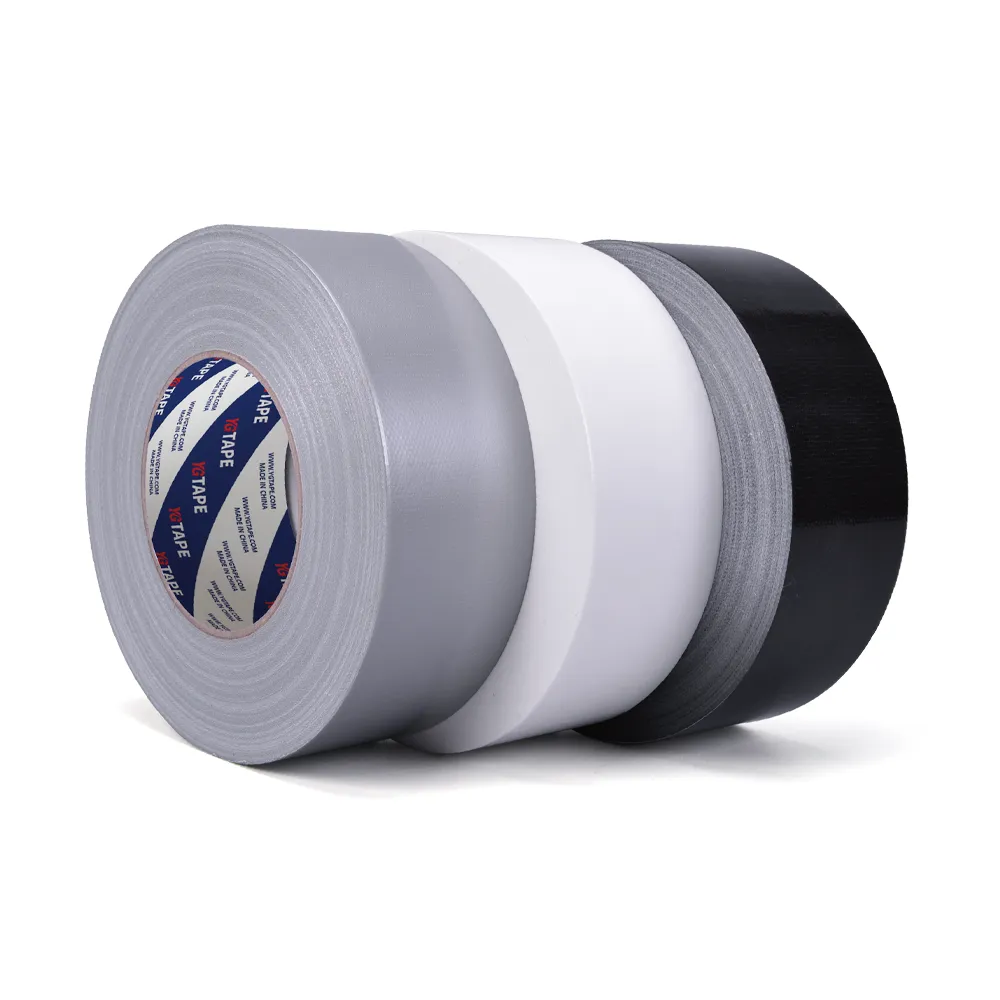
Most standard duct tapes are built for general repair, holding, bundling, and temporary sealing, not for exposure to heat.
A typical duct tape construction includes:
- a backing layer
- a polyethylene surface coating
- a cloth reinforcement layer
- a rubber-based adhesive
This structure gives duct tape flexibility and strength, but it also means the tape is not optimized for high-temperature performance. Under elevated heat, the adhesive may soften and the backing may distort or degrade. Third-party technical and trade content discussing duct tape near dryer vents and flames makes the same point: standard duct tape is a general-purpose product, not a heat-rated one.
Does Duct Tape Burn, Melt, or Lose Adhesion First?
In many real-world cases, loss of adhesion happens before open burning becomes the main issue.
That is important because users often think only in terms of ignition. But in heat-related applications, a tape can already be unsafe once it starts to:
- soften
- shrink
- peel
- drip
- lose sealing performance
This is why the better question is not only “Can duct tape catch fire?” but also “Can duct tape stay stable around heat?” For standard duct tape, the answer is usually no in demanding heat environments. Recent trade content discussing regular duct tape and flame resistance similarly notes softening, adhesion loss, and poor high-temperature durability before framing safer alternatives.
Is Duct Tape Safe for Dryer Vents?
No. Standard duct tape is generally not recommended for dryer vents.
Dryer vents involve warm airflow, repeated heating cycles, and a need for stable long-term sealing. In those conditions, standard duct tape can lose adhesion or degrade over time. That is why many maintenance and HVAC-oriented sources specifically advise against using standard duct tape on dryer vents and recommend foil-based alternatives instead.
For this type of application, a more appropriate internal option is Aluminum Foil Tape, which YG Group positions for HVAC sealing and insulation and which includes flame-retardant variants in the product family.
Is Duct Tape Safe for HVAC Duct Sealing?
For heat-sensitive or long-term HVAC sealing, standard duct tape is usually not the best choice.
This does not mean every duct tape use immediately creates a fire event. The more practical problem is that standard duct tape is not built for long-term thermal stability. Where the application involves hot air, repeated temperature cycling, or insulation-related sealing, it is better to choose a tape developed for that environment.
YG Group already presents aluminum tape as an HVAC sealing and insulation category, which is a much more natural fit for these applications than a general-purpose duct tape.
When Standard Duct Tape May Still Be Acceptable
Standard duct tape can still be useful in many non-heat-critical situations, such as:
- temporary holding
- surface bundling
- light-duty repairs
- packaging reinforcement
- short-term masking or protection
In these normal applications, the question is not usually flammability. The real issue appears when users try to apply duct tape in situations that involve heat, flame, or temperature-sensitive sealing requirements.
When Standard Duct Tape Is a Poor Choice
Avoid relying on standard duct tape when the application involves:
- dryer vents
- HVAC areas exposed to heat
- equipment surfaces that get hot
- open flame exposure
- high-temperature workshops
- electrical insulation requiring flame resistance
- long-term heat-sensitive sealing
If heat resistance matters, the product should be selected based on actual performance requirements, not just on convenience or familiarity.
Regular Duct Tape vs Flame-Resistant Tape
This is one of the most important distinctions for buyers.
| Tape Type | Typical Purpose | Heat / Flame Performance |
|---|---|---|
| Standard Duct Tape | General repair, holding, bundling, temporary sealing | Not flame-resistant; may soften, peel, melt, or burn under heat |
| Flame-Resistant or Heat-Suitable Tape | Heat-sensitive sealing, HVAC, insulation, electrical or industrial protection | Better suited where flame resistance or higher heat stability is required |
Not all tapes are designed for the same risk environment. If the application involves heat, buyers should compare products by construction, adhesive system, and intended use, rather than assuming a general-purpose tape can do the job.
Better Alternatives for Heat-Sensitive Applications
If the application involves heat, flame exposure, or long-term hot-air sealing, a more suitable tape should be selected.
1. Aluminum Foil Tape
A better fit for HVAC sealing, insulation, and heat-related duct applications. YG Group’s aluminum tape category is explicitly positioned for these uses and includes Flame Retardant Aluminum Foil Tape options.
2. PVC Insulation Tape (Premium)
For some electrical insulation applications, a product with flame resistance is more appropriate than standard duct tape. Your premium PVC insulation tape page explicitly lists flame resistance among its key product features.
3. Heat-rated or flame-resistant industrial tapes
If the project involves more demanding thermal conditions, the right solution should be chosen according to the exact environment, temperature range, and compliance requirements.
What B2B Buyers Should Check Before Choosing a Tape
For B2B buyers, the key question is not simply whether a tape can burn.
The better question is:
Is this tape designed for the actual temperature and safety demands of the application?
Before choosing a tape, buyers should evaluate :
- service temperature range
- exposure to hot air or heated surfaces
- whether flame resistance is required
- whether long-term adhesion must be maintained
- whether the tape is for general repair or engineered sealing
This helps avoid a common mistake: using general-purpose duct tape in a heat-sensitive environment where a more suitable tape should be specified from the start.
The Practical Answer
So, is duct tape flammable?
Standard duct tape should not be considered flame-resistant or heat-safe.
In practical use, it can soften, lose adhesion, melt, and burn when exposed to high heat or open flame. That makes it a poor choice for dryer vents, heat-producing equipment, and other temperature-sensitive sealing tasks. Reliable trade and maintenance sources currently describe regular duct tape in similar terms and recommend foil-based or more heat-suitable products for those scenarios.
For applications involving heat, a more appropriate internal option is Aluminum Foil Tape, and for some electrical insulation needs, PVC Insulation Tape (Premium) may be a more relevant product path.
FAQ
Is standard duct tape flammable?
Standard duct tape is not flame-resistant and can fail, melt, or burn when exposed to high heat or open flame.
Can duct tape catch fire?
Yes, it can burn under sufficient heat or direct flame exposure. More importantly, it may become unsafe even earlier by softening or losing adhesion.
Is duct tape safe for dryer vents?
No. Standard duct tape is generally not recommended for dryer vents because it does not provide reliable long-term performance in heat-related conditions.
Is duct tape heat-resistant?
Standard duct tape is not designed as a heat-resistant tape.
What tape is better than duct tape for heat-related sealing?
For HVAC, duct sealing, and heat-sensitive applications, Aluminum Foil Tape is usually a better choice. Your site also offers flame-retardant aluminum foil tape options within that category.
Is duct tape suitable for electrical insulation near heat?
Not usually. If flame resistance or electrical insulation performance matters, a more suitable product such as PVC Insulation Tape should be considered instead.