

How YG Group Can Support Your PPWR Packaging Material Review



A customer preparing a PET beverage bottle for the EU market may begin with a simple request:
“Please confirm that your label is PPWR compliant.”
However, a useful answer requires more information.
What is the bottle material? Which label facestock and adhesive will be used? How much of the bottle will the label cover? Will the label remain attached during recycling? Which recycling process and assessment method will apply?
The questions will change when the package is made from PE, PP, glass, paperboard or flexible film.
YG Group can review the selected material and application, provide relevant product information and technical documents, prepare samples and discuss possible testing requirements.
YG Group's support does not replace the legal or technical assessment of the complete packaging system. One material should not be described as “PPWR compliant” for every packaging application.
Quick Answer
YG Group can support a PPWR-related material review by checking the customer’s packaging application and providing relevant product information, technical documents and samples.
Based on the selected product and supporting documents, the team can also identify whether additional documents, sample evaluation or testing arranged by the customer may be needed.
What Does PPWR Mean for Your Packaging Review?
The EU Packaging and Packaging Waste Regulation, or Regulation (EU) 2025/40, entered into force on 11 February 2025 and will generally apply from 12 August 2026. Some technical criteria, targets and detailed obligations follow later implementation dates.
PPWR covers packaging composition, recyclability, recycled content, labelling, packaging minimisation, reuse and extended producer responsibility.
For a packaging buyer, the practical question is not simply whether one label or tape is recyclable.
The more useful question is:
How does each component interact with the complete packaging system?
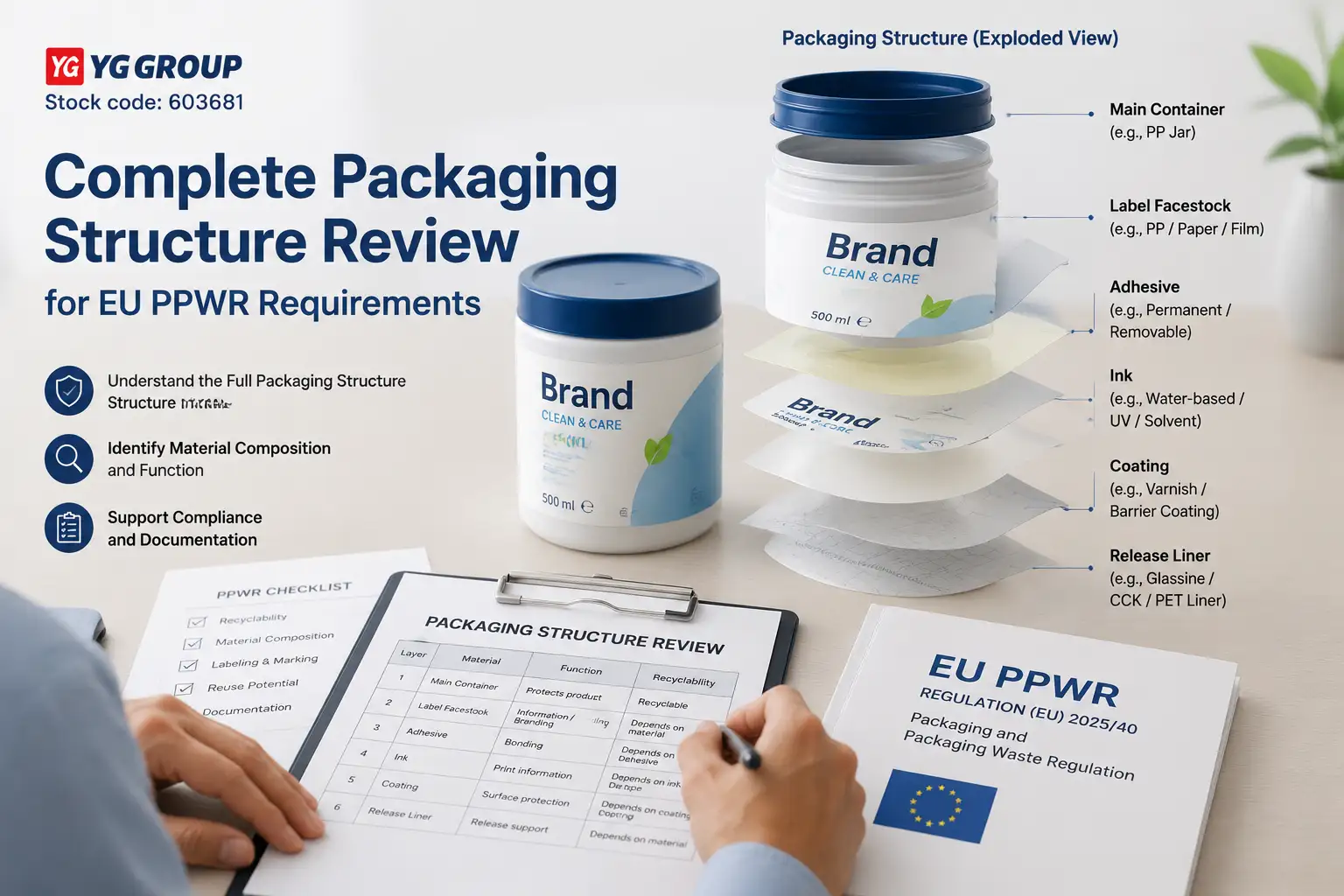
A PPWR-related review should therefore consider the full packaging construction rather than one component alone.
Why Labels, Adhesives and Tapes Matter
Labels, adhesives and tapes may represent a small part of a package, but they can influence sorting, separation and recycling.
The review may need to consider the label facestock, adhesive, ink, coating, dimensions, coverage and whether the component remains with the package during the intended recycling process.
PPWR establishes a recyclability framework for the complete packaging unit. Detailed design-for-recycling criteria and assessment methods will be further specified through relevant EU measures and the phased implementation timetable.
Release liners require separate consideration. In many pressure-sensitive label applications, the liner is removed during converting or labelling and does not remain with the finished package. Its relevance depends on how it is supplied, used and managed within the supply chain.
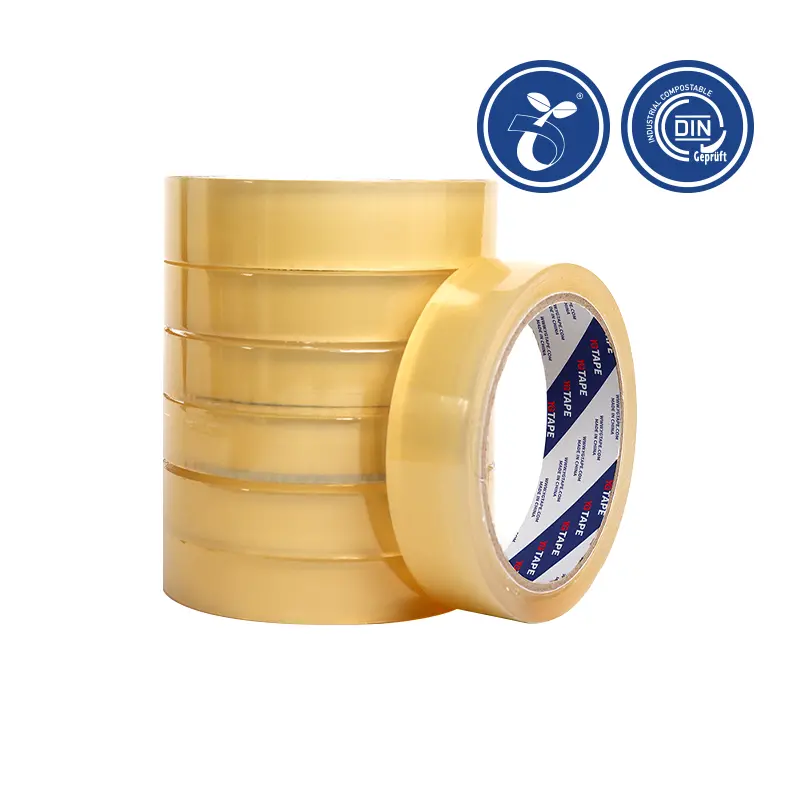
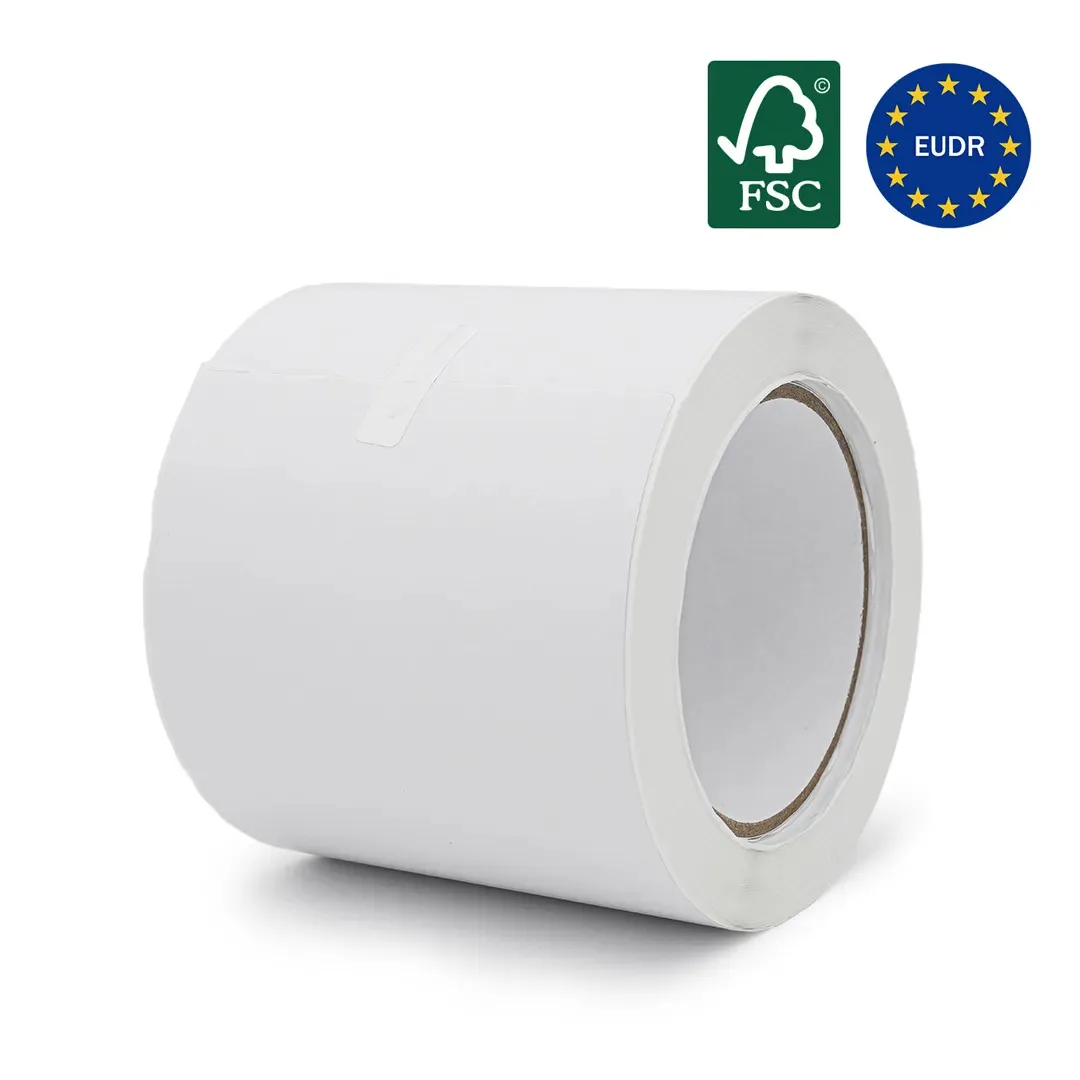
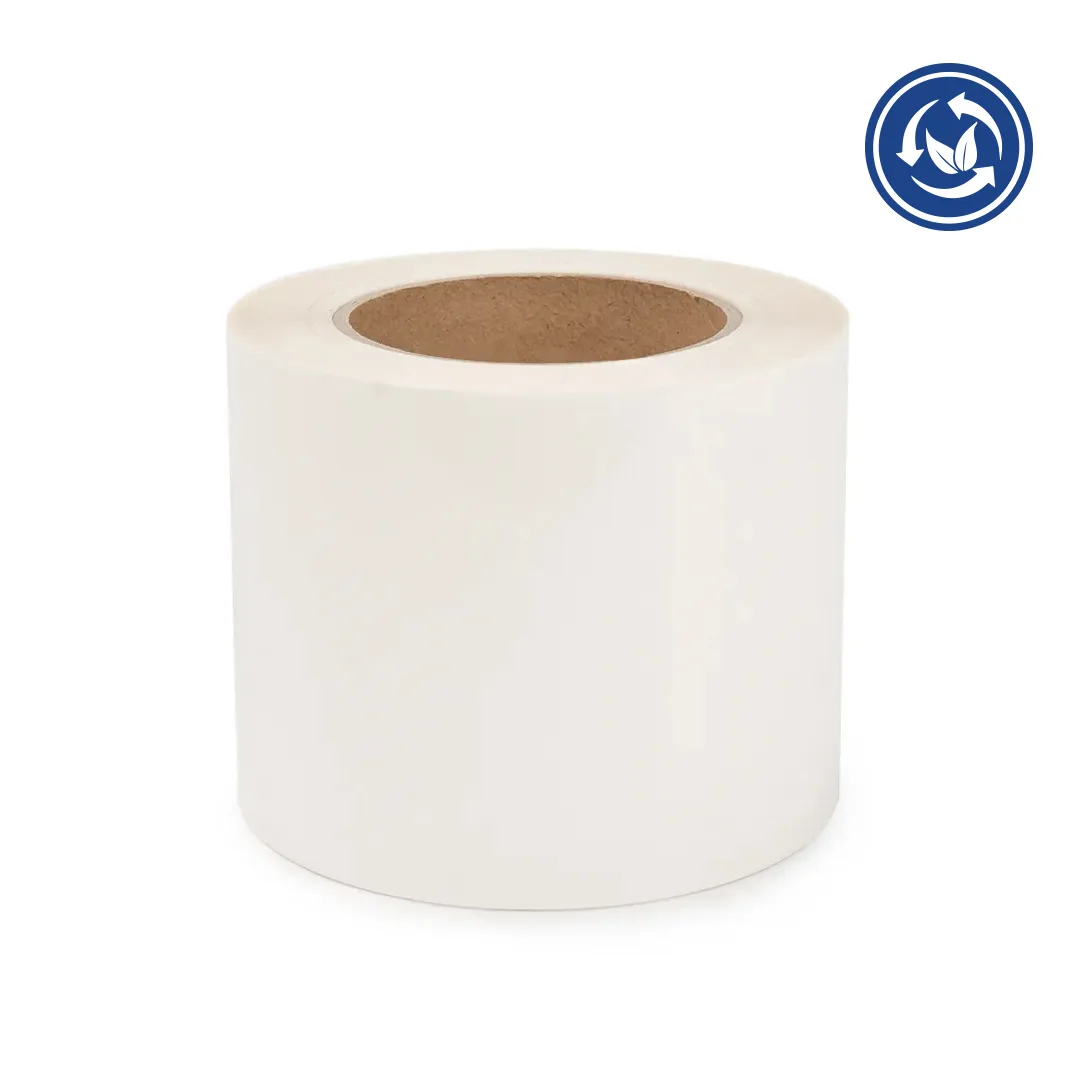
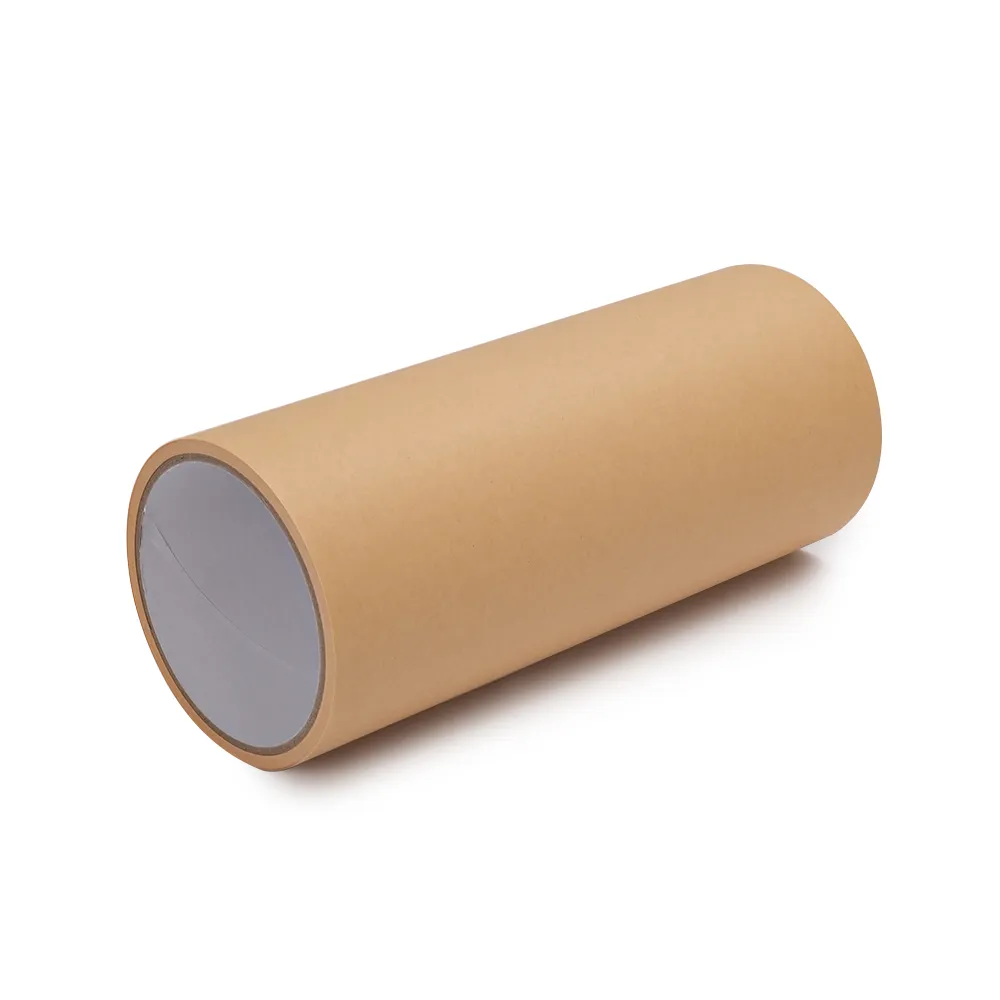
YG Group supplies materials used in pressure-sensitive label and packaging structures, including film label materials, siliconized glassine paper and packing tape products. Each material still needs to be reviewed according to its actual application and waste route
How YG Group Supports Your Material Review
1. Product Information and Technical Documents
The first step is to identify the exact product under review.
Depending on the selected material and supporting documents, YG Group may provide or confirm:
- Product structure and specifications
- Facestock, adhesive and liner information
- TDS or SDS files
- Material-composition information
- Test reports, supplier declarations or technical-questionnaire information
For applicable food-contact packaging, PPWR introduces PFAS concentration limits from 12 August 2026. It also sets a combined limit of 100 mg/kg for lead, cadmium, mercury and hexavalent chromium in packaging or packaging components, subject to the relevant provisions and exemptions.
YG Group may provide material information that supports the customer’s packaging technical file. This does not mean that YG Group automatically issues the final EU declaration of conformity for the complete package.
2. Application-Specific Material Discussion
A product datasheet cannot show how one label will interact with every bottle, container, carton or recycling process.
YG Group may review factors such as:
- Main packaging substrate
- Label facestock and adhesive
- Label dimensions and coverage
- Printing and converting method
- Food-contact status
- Temperature or moisture exposure
- Whether the component remains with the finished package
- Intended recycling or reuse route
The purpose is to identify relevant product information and possible technical concerns. It is not a final legal-compliance or recyclability decision.
3. Samples and Possible Testing Requirements
Product-performance testing can support material selection, but it does not replace the applicable recyclability assessment or complete-package conformity review.
Where the supporting documents do not fully answer the customer’s question, YG Group may discuss:
- Sample preparation
- Adhesion and application testing
- Comparison of candidate materials
- Customer-specific performance requirements
- Information gaps in technical questionnaires
- Whether testing by the customer or an independent laboratory may be needed
YG Group operates a CNAS-accredited testing center. Its broader R&D facilities also include material-analysis and application-evaluation functions. The applicable test method and accredited scope must be confirmed for each project.
How the Review Process Works
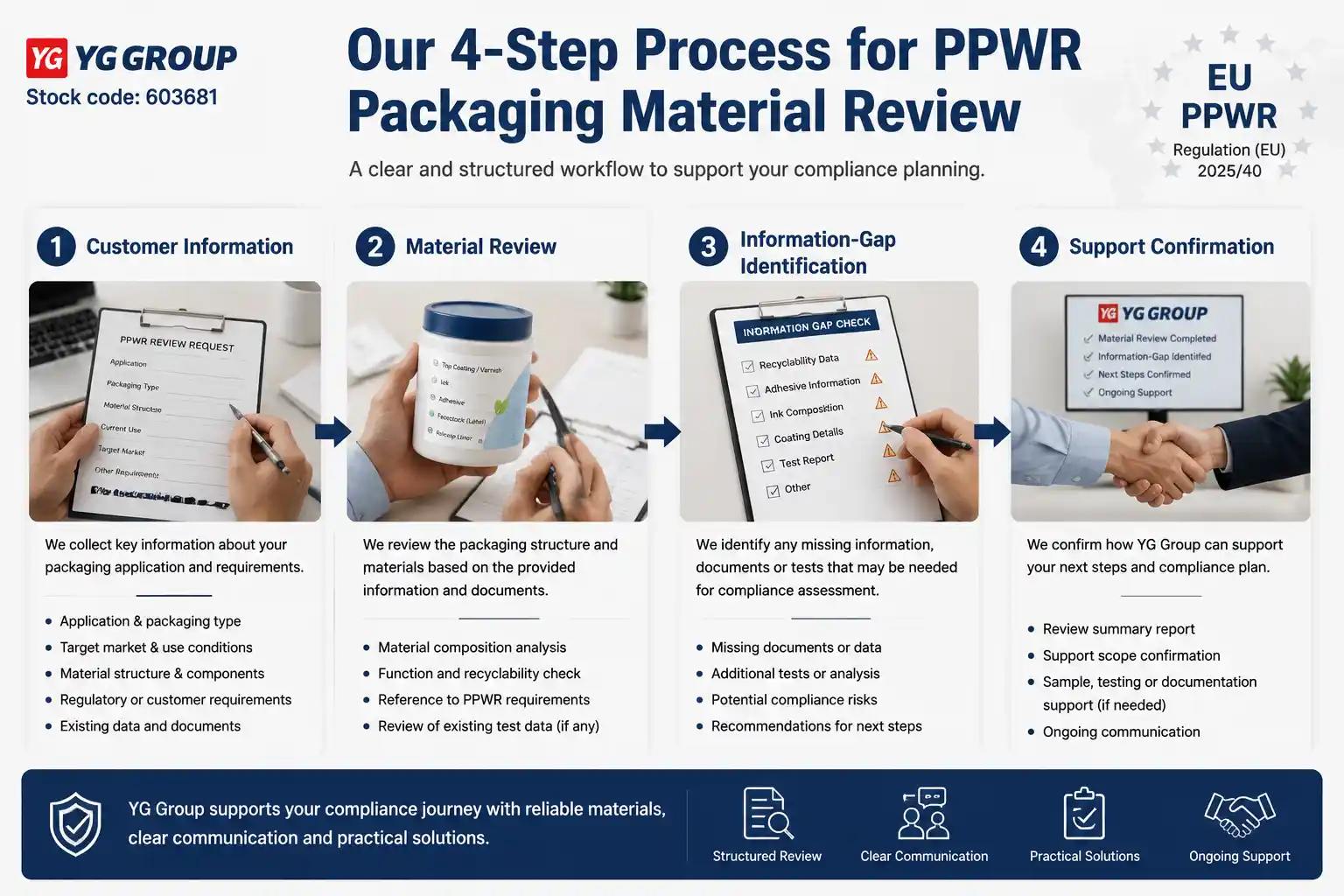
Step 1: Send the Packaging Information
The customer provides the packaging structure, main substrate, intended application, food-contact status, target market and requested documents.
Step 2: Review the Selected Material
YG Group checks the product model, material construction, intended use and supporting documents.
Step 3: Identify Information Gaps
The team then identifies any remaining information gaps and whether samples, additional documents or further testing may be needed.
Step 4: Confirm the Support Scope
YG Group confirms what product information can be provided, whether samples can be prepared and which further technical discussions may be required.
This process gives the customer a more useful starting point than a general statement about “PPWR compliance.”
What Changes with Different Packaging Materials?
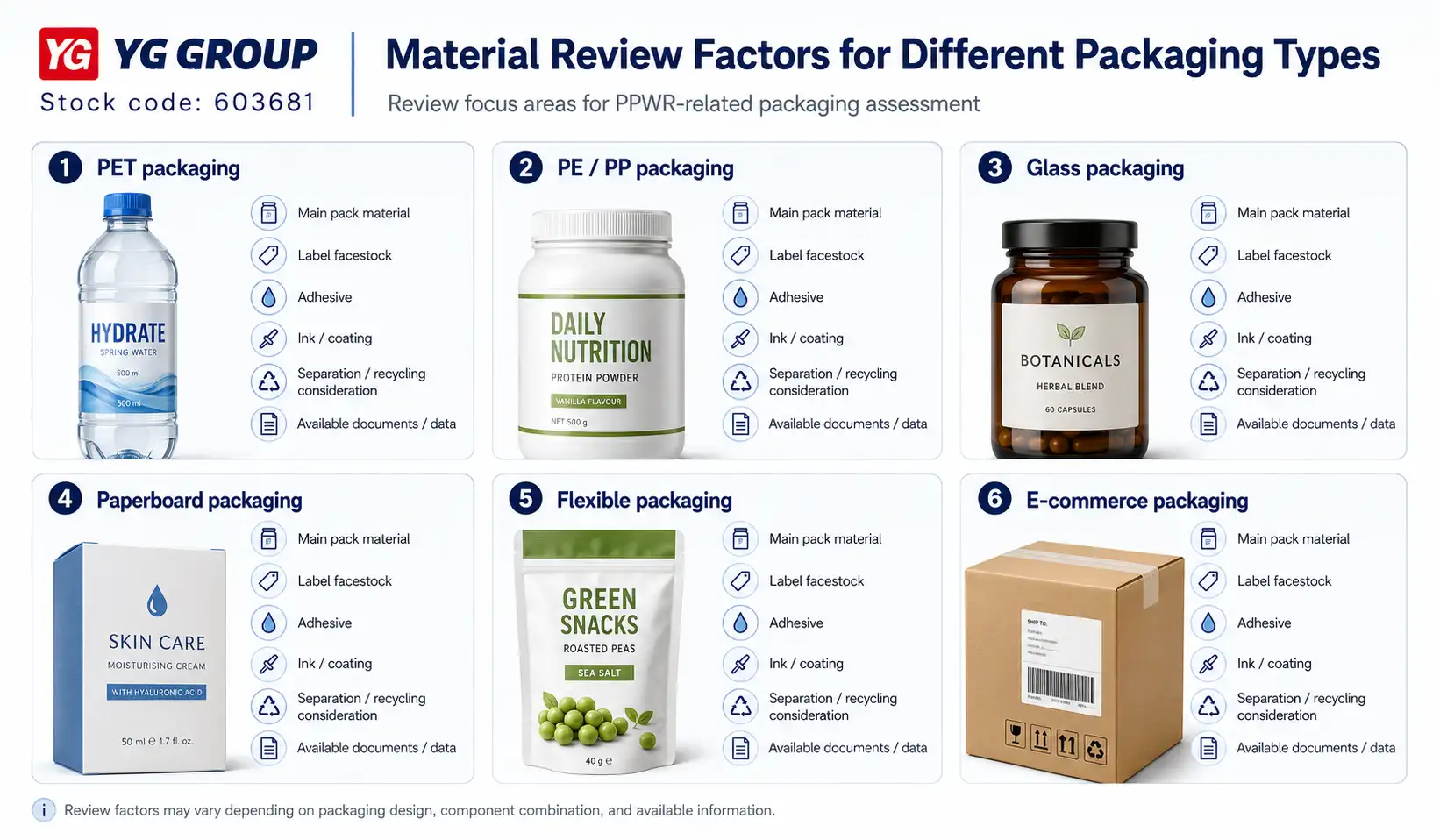
The main packaging material changes the questions that should be asked during label, adhesive and tape selection.
The points below describe what YG Group may review. They do not represent a final recyclability conclusion or a complete PPWR solution.
PET Packaging
For PET packaging, the review may consider the label facestock, adhesive, label coverage and how the label may separate during the intended recycling process.
A large film label, a small paper label and a full-body label may interact differently with sorting and recycling.
PE and PP Packaging
For PE or PP packaging, the review may consider the container material, surface energy, label facestock, adhesive, coverage and end-use conditions. Adhesion performance and recycling considerations should be reviewed separately.
Glass Packaging
For glass packaging, the review may consider whether the container is single-use or returnable, together with the label facestock, adhesive, coverage and any customer-specified washing or removal requirements.
Paper and Cardboard Packaging
For paper or cardboard packaging, the review may consider the carton coating, label facestock, adhesive quantity, tape coverage and intended fibre-recovery process. A paper appearance alone does not confirm compatibility with paper recycling.
Flexible Packaging
For flexible packaging, the review may consider the main film structure, label film, adhesive, printing or lamination process, barrier requirements and intended recycling route. Customers should provide the complete construction rather than only the outer material.
What Makes YG Group’s Support Different?
YG Group supplies several connected components used in label and packaging applications, including PP, PE and PET film label materials, siliconized glassine release liners, adhesive products and packing tapes.
This allows customers to discuss several connected components with one supplier when they provide the complete packaging structure.
It can also make it easier to identify which information relates to the facestock, adhesive, release liner or tape.
These testing, material-analysis and application-evaluation functions can support product selection and project-specific technical discussions.
What Information Should You Send YG Group?
A request such as “We need a PPWR-compliant label” is not enough for a technical review.
Please provide:
- Main packaging material and complete structure
- Label, adhesive or tape application
- Whether the component remains with the finished package
- Food-contact status
- Label dimensions and coverage
- Printing and converting method
- Intended recycling or reuse route
- Target EU market and requested documents
- Existing recyclability information, where relevant
- Required dimensions and estimated order volume
A photo, technical drawing or sample of the current package can also help the team understand the application.
How YG Group Is Building Its Customer-Support Process
YG Group has reviewed PPWR requirements and assigned responsibilities across technical, purchasing, quality, production, sales and legal teams.
Work is under way on technical files, substance-compliance information and conformity-supporting documents for relevant products.
More information about YG Group’s testing, quality-control and manufacturing capabilities is available on the About YG Group page.
Frequently Asked Questions
When does the EU PPWR apply?
Regulation (EU) 2025/40 generally applies from 12 August 2026. Some detailed technical criteria, targets and obligations follow later implementation dates.
Can labels and adhesives affect a PPWR packaging review?
Yes. Labels and adhesives may affect sorting, separation and recycling. Their relevance depends on the complete packaging structure and intended recycling process.
Can YG Group confirm that one label is PPWR compliant for every package?
No. The review depends on the substrate, label construction, adhesive, coverage, application and recycling route. The final package should be assessed using the applicable method.
What documents may YG Group provide?
Depending on the product, YG Group may provide specifications, TDS or SDS files, material information, test reports, supplier declarations, samples and technical-questionnaire support.
Does YG Group perform the final PPWR compliance assessment?
No. YG Group can support material and document reviews. The final assessment depends on the complete packaging system and the responsibilities of the relevant economic operators.
Does YG Group handle EPR registration?
No. YG Group does not normally register or pay EPR fees on behalf of customers. It may provide relevant product information, while customers should confirm their obligations according to their role and sales route in each EU Member State.
Discuss Your PPWR Packaging Requirements
Send YG Group your packaging structure, application requirements and requested documents. Our team will review the selected material and confirm what product information, documents, samples or further technical discussions can support your project.
Official References
- Regulation (EU) 2025/40 on packaging and packaging waste
- European Commission: Packaging Waste and PPWR Overview
- European Commission: PPWR Frequently Asked Questions
- Commission Notice C/2026/3084: Guidance Document for Regulation (EU) 2025/40
Regulatory information last reviewed: July 2026.
This article provides general information and does not constitute legal advice. PPWR obligations should be confirmed according to the complete packaging structure, supply-chain role, target market and applicable implementation date.