


Window Flashing Tape: Asphalt vs. Butyl—Differences & Uses



When installing new windows or replacing old ones, what's the most critical yet often overlooked step? The answer: proper weatherproofing. Even the best window can lead to disasters if not correctly integrated into the wall structure—think mold growth, wood rot, structural damage, and skyrocketing energy bills.
The unsung hero? Window flashing tape. This flexible, airtight barrier bonds window frames to wall sheathing, effectively blocking water intrusion.
But with so many products available, which should you choose: traditional asphalt-based tape or modern butyl tape? This isn't just about price—it's a decision that impacts your home's health and safety for decades.
🤔Act 1: Meet the Contenders
Asphalt Flashing Tape
The "veteran." Made from modified asphalt, usually backed with kraft paper or aluminum foil. Relies on natural asphalt adhesiveness and water resistance. Commonly used in roofing and construction waterproofing.
Butyl Rubber Flashing Tape
The "rising star." Made from synthetic butyl rubber polymer, offering excellent adhesion, elasticity, and durability. Its dense molecular structure provides superior chemical resistance and UV stability.
🤔Act 2: Head-to-Head Comparison

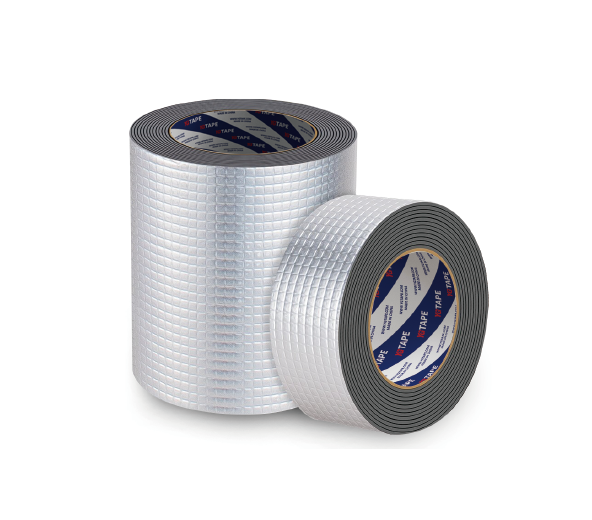
(Contact us for TDS!)
Butyl tape is renowned for its exceptional waterproofing and sealing capabilities. This is primarily attributed to its core material, butyl rubber, which inherently possesses an extremely low water vapor transmission rate. Acting like a flexible "solid barrier," it effectively blocks the penetration of water and moisture.
It features permanent self-adhesion and excellent conformability. Under pressure, it forms a tight bond with various substrates (such as metal, glass, concrete, and plastic), automatically filling irregularities to create a seamless and dense waterproof seal.
Furthermore, butyl tape exhibits outstanding resistance to weathering, UV degradation, and chemical corrosion. This ensures its waterproofing effectiveness remains stable long-term, even in harsh environments, without sagging or performance degradation over time. Consequently, it is widely used in applications requiring long-term, reliable waterproof seals, such as construction joints, metal roofs, pipelines, and vehicle windows.


🤔Act 3: Making the Smart Choice
When to Consider Asphalt Tape:
-
Extremely tight budgets
-
Temporary or low-priority structures
-
Must understand the risks involved
When We Strongly Recommend Butyl Tape:
-
New window installation or replacement
-
Extreme climate areas
-
PVC window frames
-
Long-term peace of mind and low maintenance
Remember: "You get what you pay for" rings especially true in construction waterproofing. Saving a few dollars now could cost thousands in future repairs.
🤔Act 4: Your Action Plan
How to ensure quality butyl tape:
-
Look for certifications like UL or FM Approvals
-
Choose reputable brands with proven track records
-
Consult experts for your specific project needs
Need Professional Advice?
Choosing the right flashing tape is crucial, but you don't have to figure it out alone. Our team of building envelope specialists is here to help!
Protect your most important investment—your home.
-
【Click Here to Contact Our Experts】
-
【Get Free Consultation】
Share your project details (frame material, location, budget), and we'll provide:
-
Personalized product recommendations
-
Professional installation guidance
-
Genuine, certified butyl rubber flashing tape
YG has manufacturing bases in Malaysia and Vietnam, and domestically, it is based in Jiangxi, Shanghai and Shandong. Overseas offices in the United States, Mexico and Italy (prepared to open) offer prompt service and local support. By offering competitive wholesale prices and flexible OEM / ODM solutions, we can efficiently respond to your individual needs.

Don't let a small detail become a big problem. Choose smart—choose quality.