



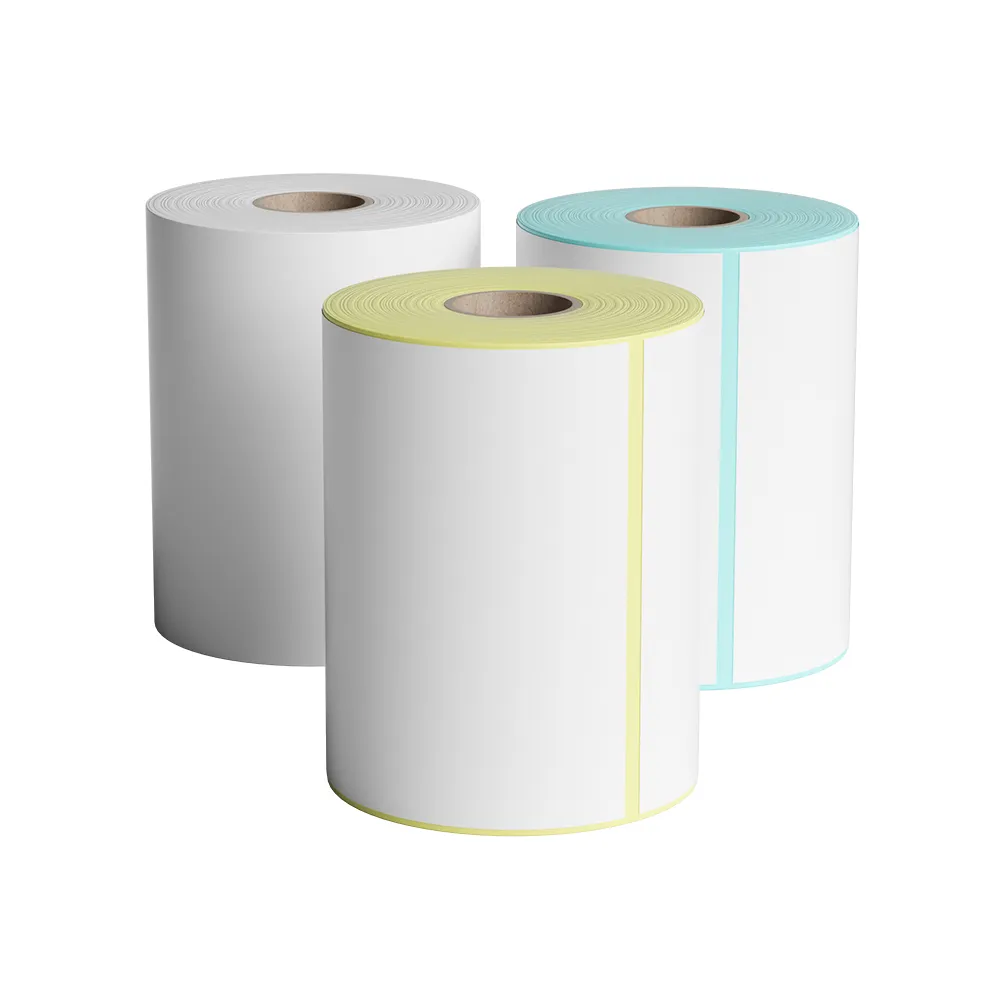
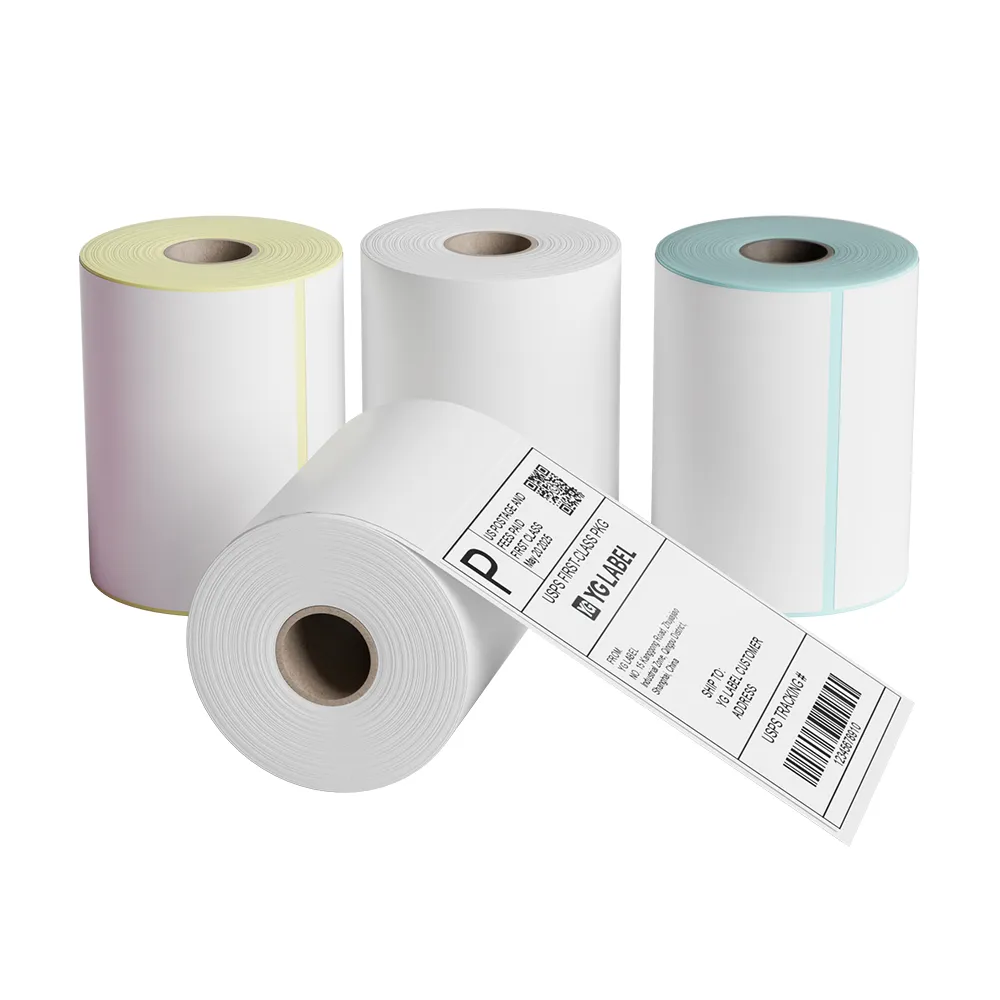
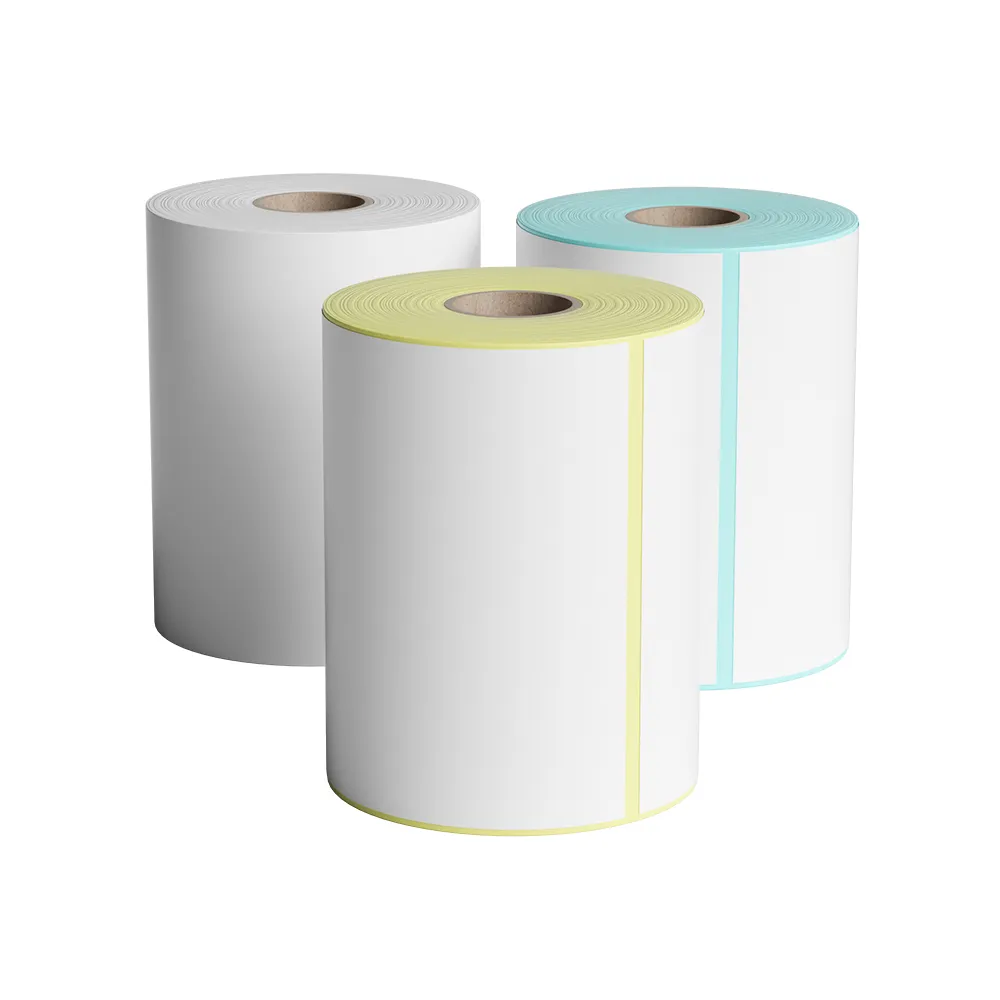

Yes. YG Group supplies self-adhesive thermal transfer label materials in jumbo rolls for label converters and printing companies, as well as finished labels for distributors and end users. Please indicate which supply format you need so we can confirm the appropriate specifications and quotation.


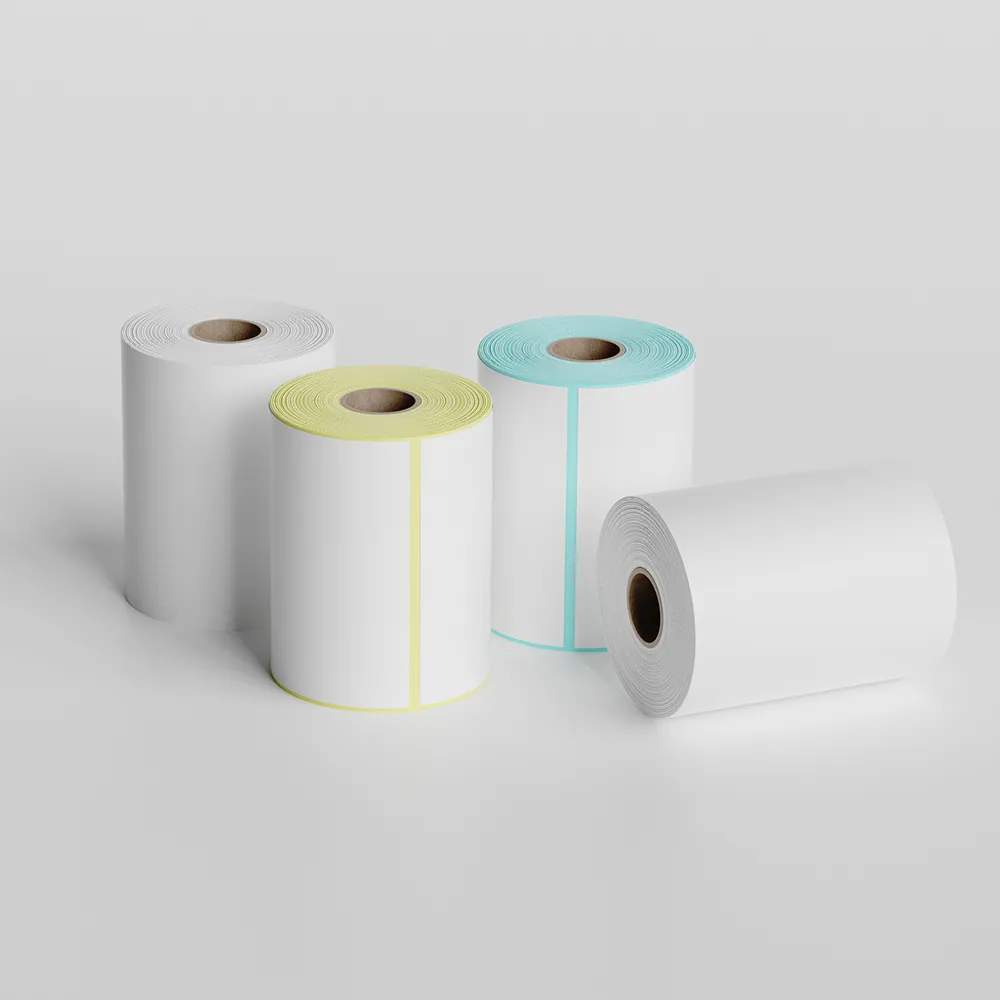
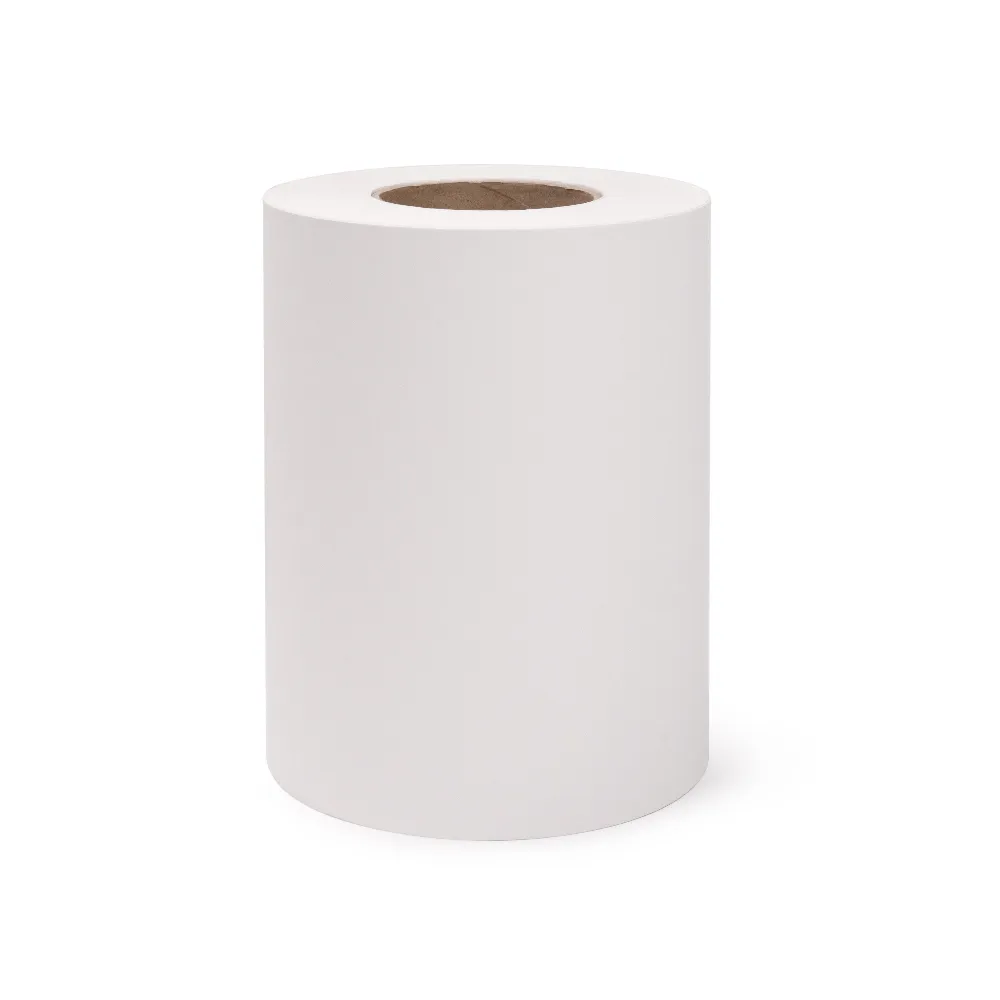
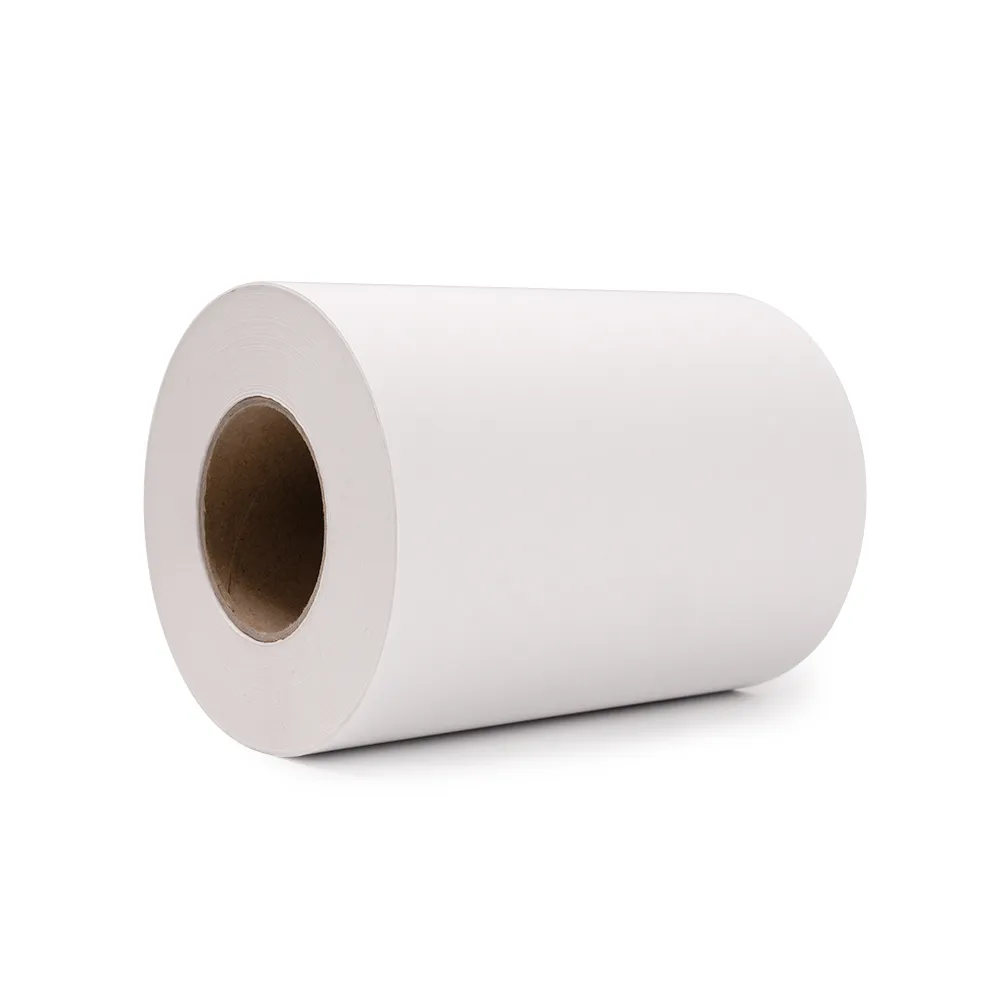
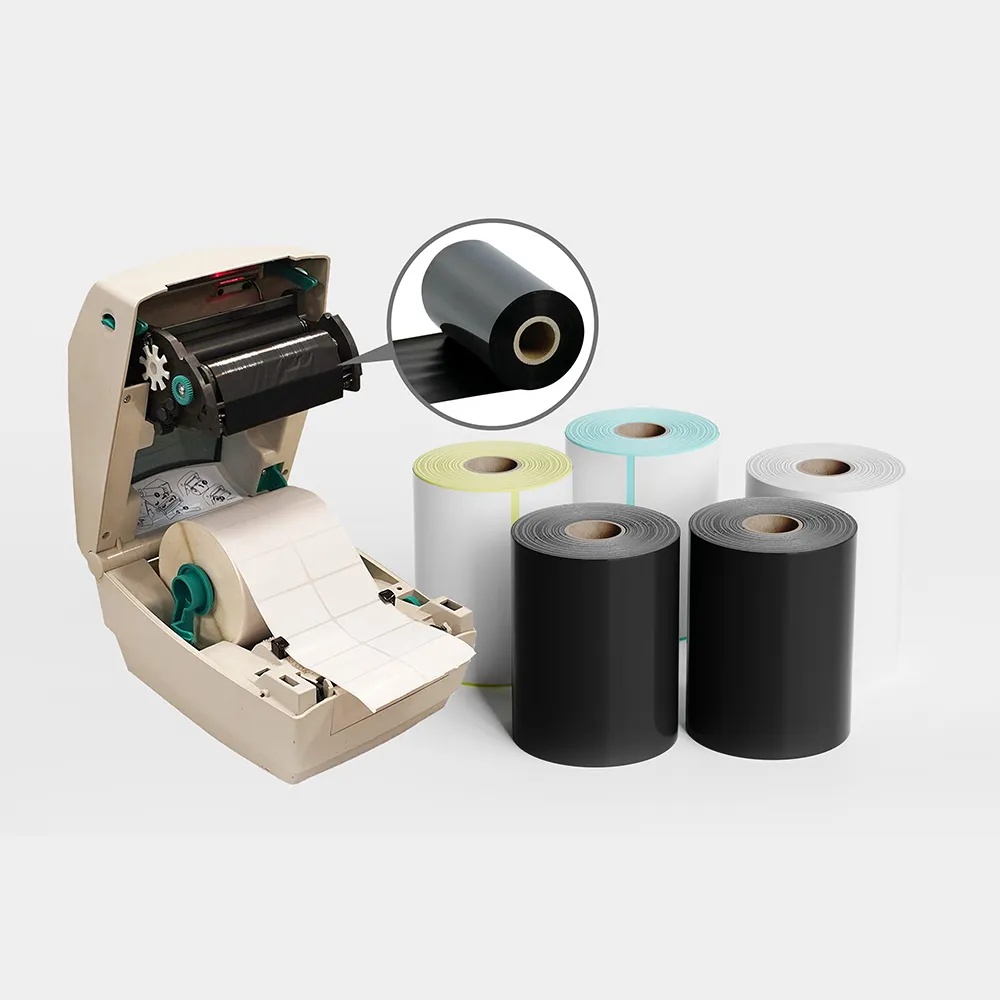
Thermal Transfer Logistics Label
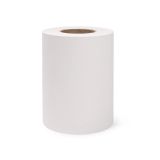
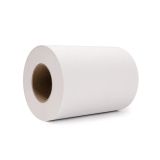
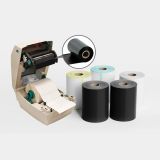
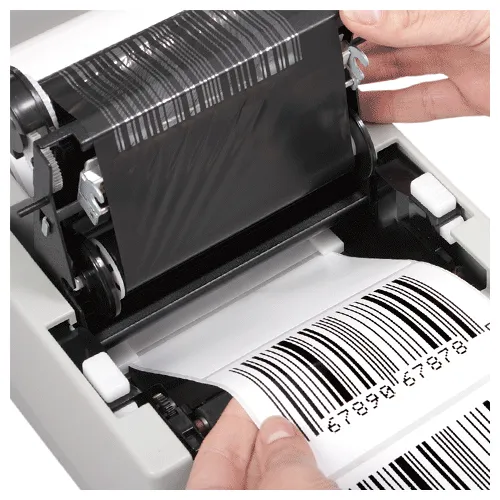
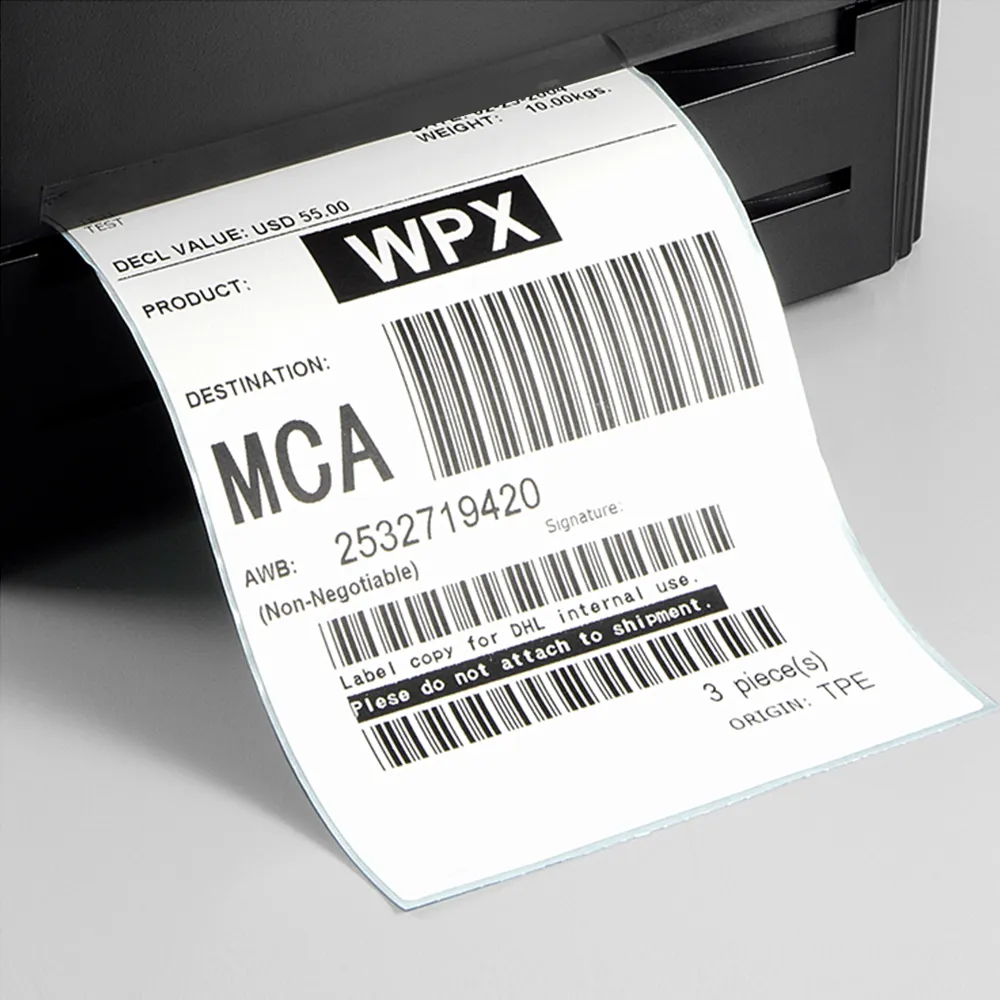
YG Group's thermal transfer logistics label is constructed with thermal transfer paper facestock, combined with hot melt or water-based adhesive and a glassine release liner. Designed for thermal transfer printing with ribbons, it delivers clear barcodes and reliable adhesion for logistics applications.
Features:
- Clear and sharp barcode printing
- Good print durability with compatible ribbons
- Reliable bonding performance
Applications:
- Shipping and tracking labels
- Warehouse and inventory labels
- Long-term storage and transportation labels
Available Specifications
| Product | Facestock Grammage | Facestock Material | Adhesive | Liner Gsm | Liner Material |
| JCT2001 | 70g | Thermal Transfer Paper | Hot Melt | 60g | White Glassine |
| JCT3001 | 70g | Thermal Transfer Paper | Emulsion | 60g | White Glassine |
*We can provide different customized sizes.
How Thermal Transfer Logistics Label Works
Thermal transfer printing uses a heated printhead to transfer ink from a ribbon onto the label surface, creating barcodes, text and shipment information. The paper-based constructions listed on this page combine thermal transfer paper, hot melt or emulsion adhesive, and a white glassine release liner.
| Component | Construction / Selection |
|---|---|
| Facestock | 70 g/m² thermal transfer paper |
| Adhesive | Hot melt for JCT2001; emulsion for JCT3001 |
| Release Liner | 60 g/m² white glassine |
| Printing Ribbon | Select a compatible ribbon and verify print quality before use |
How to Choose Thermal Transfer Logistics Label
- Check the packaging surface. Identify whether the label will be applied to corrugated cartons, coated board or plastic packaging. Test adhesion on the actual surface.
-
Confirm temperature conditions. Share both the temperature at the time of labeling and the storage or transport temperature. High initial tack alone does not establish suitability for low-temperature applications.
-
Prepare the surface. Apply labels to clean, dry surfaces. Dust, moisture and condensation can affect adhesion and should be addressed before labeling.
-
Match the ribbon and printer. Evaluate a compatible wax or wax-resin ribbon with your printer settings, then check barcode readability and resistance to handling.
-
Confirm special requirements. Suitability for cold-chain use, moisture exposure, chemicals or prolonged outdoor exposure has not been established by the specifications listed here. Contact us for material selection and testing before use in these conditions.
Logistics use cases
- Carton Shipping Labels: Shipment details, addresses and tracking barcodes on compatible carton surfaces.
-
Pallet Identification: Identification labels applied to suitable outer packaging, subject to adhesion testing.
-
Warehouse & Inventory Labels: SKU, batch and stock identification in dry indoor environments.
-
Manufacturing Logistics: Identification of components, work-in-progress and finished-goods packaging.
Application suitability depends on the label construction, ribbon, packaging surface and service conditions. Test samples under your actual printing, labeling and handling conditions before bulk use.
Most Popular Products
Thermal Transfer Logistics Label FAQ
Request Thermal Transfer Label Samples or a Quote
Email*
Company*
Message*
Related Articles
View More



We use necessary cookies to operate and secure our website. With your consent, we may also use analytics and advertising cookies to understand website performance, measure marketing campaigns and improve your experience.
You can accept all cookies, reject non-essential cookies or manage your preferences. You can change your choices at any time.