

Kraft Paper Tape for Paper-Based Packaging: Why Non-PE Design Matters




Kraft paper tape is no longer selected only for adhesion and carton-sealing performance. As paper-based packaging, plastic reduction, repulpability, and recycling compatibility become more important, buyers are paying closer attention to tape structure.
This shift is especially visible in Europe, where the EU Packaging and Packaging Waste Regulation (PPWR) is increasing the focus on recyclable packaging and design for recycling.
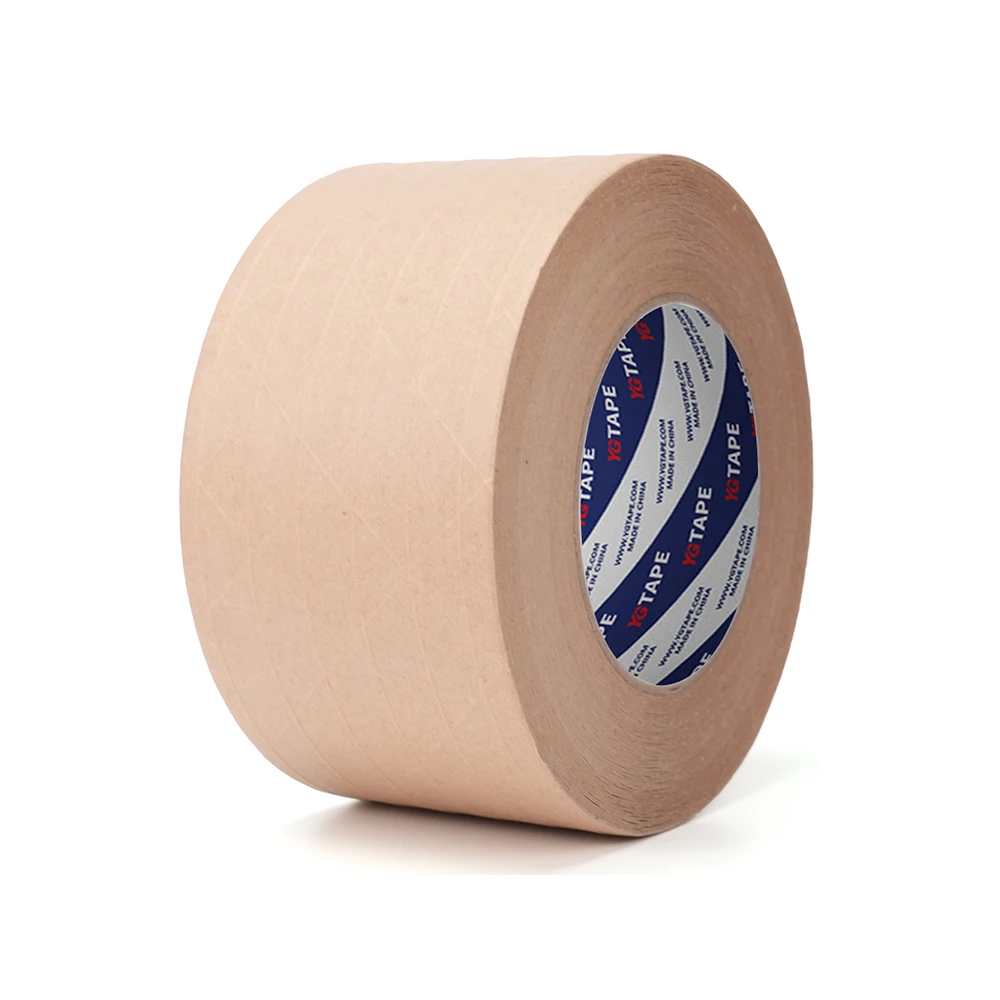
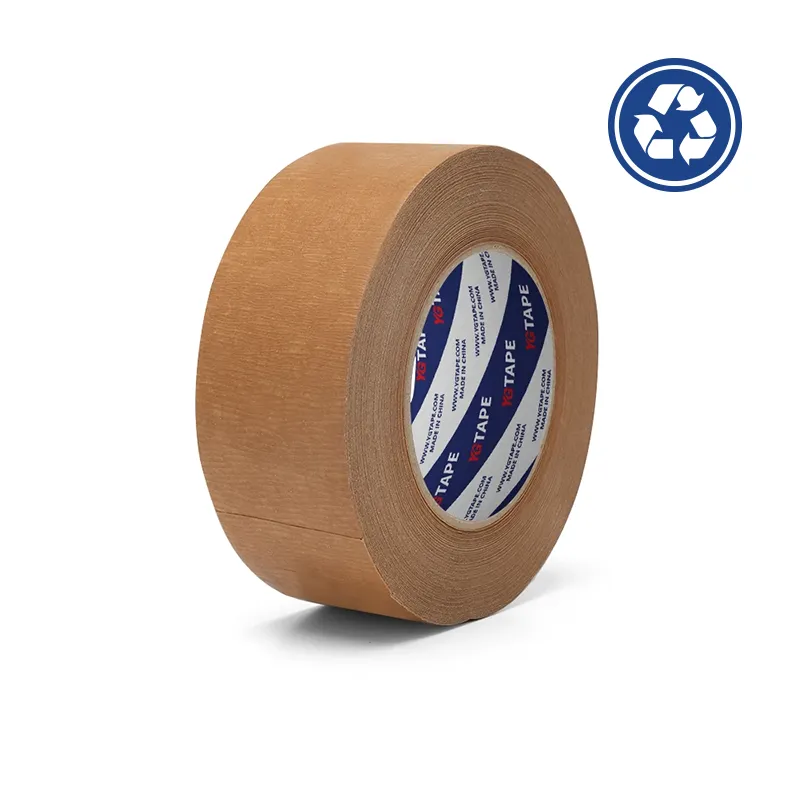
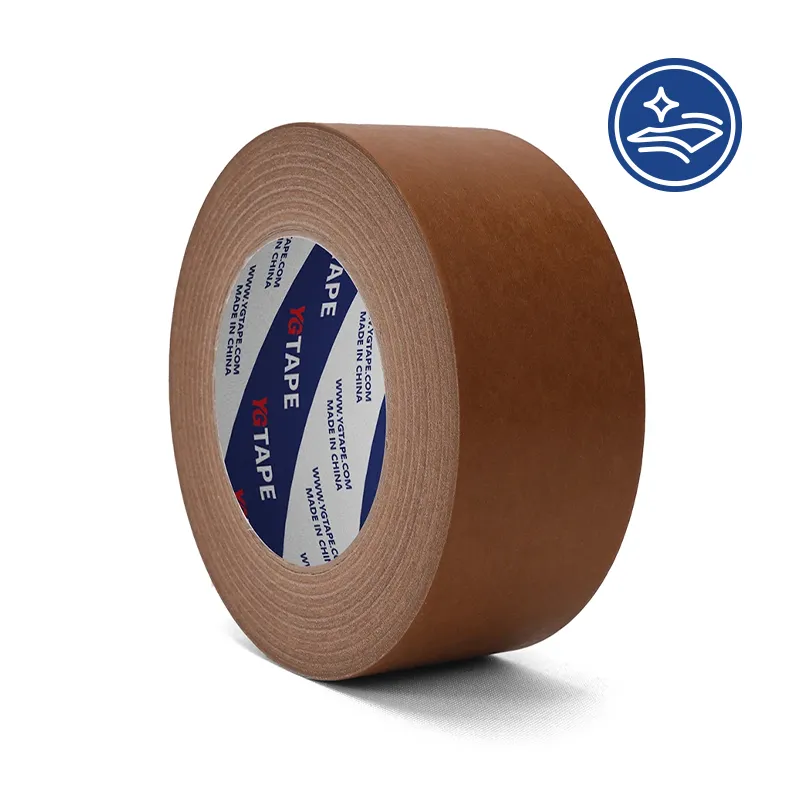
For packaging projects that aim to reduce conventional plastic film components, YG Group’s Greenflat Kraft Tape provides a relevant option. It combines a non-PE kraft paper structure with solvent-free acrylic pressure-sensitive adhesive, allowing direct application without water activation.
This article explains why this structure is gaining attention and where it fits among other Kraft tape solutions.
Why Is Kraft Paper Tape Selection Changing?
Carton sealing used to be discussed mainly in terms of tack, peel adhesion, tensile strength, and cost. Those factors still matter, but packaging teams increasingly need to look at the complete material structure.
A corrugated carton may be paper-based, yet the finished package can also contain labels, coatings, inks, adhesives, and sealing materials. PPWR covers packaging across its lifecycle and introduces requirements involving packaging design, composition, recyclability, reuse, and waste prevention.
When a customer wants to simplify a paper packaging structure or reduce conventional plastic film components, the choice of tape therefore becomes more visible.
For buyers, the questions are becoming broader:
- Does the tape seal the carton reliably?
- Does it require water activation?
- Does the backing contain conventional PE film lamination?
- Can the structure support paper repulping?
- Does it fit the customer’s recycling and packaging goals?
- How does it fit into an EU-facing packaging review?
A good kraft sealing tape must therefore balance packaging performance with material design.
What Makes Non-PE Acrylic Paper Tape Different?

The key difference lies in the backing structure.
YG Greenflat uses kraft paper with an anti-seepage treatment rather than a conventional PE film lamination. It is coated with solvent-free acrylic pressure-sensitive adhesive and can be applied directly to cartons without water activation.
That construction creates three important differences.
1. Non-PE Lamination Layer Controls Adhesive Penetration
Kraft paper has a porous fiber structure. During coating, adhesive can penetrate into the paper backing.
Greenflat uses a non-PE lamination layer with an anti-seepage function to help control this adhesive penetration. This supports a more stable tape structure and consistent adhesive performance.
It is important to distinguish the function of this layer from its material structure. The anti-seepage function helps control adhesive penetration, while the non-PE construction avoids the conventional PE film used in some laminated kraft tapes.
In other words, anti-seepage describes what the layer does, while non-PE describes how the layer is constructed.
2. Non-PE Construction Keeps the Structure More Paper-Oriented
The absence of conventional PE film lamination means the tape avoids the PE film layer found in PE-laminated kraft constructions.
For packaging projects focused on paper-based material structures, this can be an important difference. YG also positions the product as having good repulpability to support paper fiber recovery.
This does not mean that the finished carton automatically becomes recyclable.
Actual recyclability still depends on the complete packaging structure, the attached components, and the recycling system in which the packaging is processed.
3. Pressure-Sensitive Acrylic Adhesive Keeps Application Simple
A more paper-oriented structure does not necessarily require a water-activated sealing process.
Greenflat uses solvent-free acrylic pressure-sensitive adhesive. Operators can apply it directly to clean, dry cartons without activating the adhesive with water.
For companies that want to move away from conventional PE-laminated paper tape without significantly changing their existing carton-sealing workflow, this combination can be particularly relevant.
Why Is PPWR Making This Type of Tape More Relevant?
PPWR is not the product story itself, but it is one of the factors making packaging structure more important.
The regulation has generally applied since 12 August 2026. It covers packaging and packaging waste across material types and establishes requirements covering areas such as packaging design, composition, recyclability, reuse, and waste prevention.
The EU framework also introduces recyclability requirements that become increasingly important from 2030. Buyers serving the European market therefore need to look more closely at the complete packaging structure.
For a paper carton, this encourages packaging teams to look beyond the box itself.
Sealing tape is only one component, but its material structure can still matter when a company is trying to simplify paper-based packaging or reduce conventional plastic film components.
For this reason, a non-PE pressure-sensitive solution can become a preferred option in EU-facing projects where paper-based packaging and plastic reduction are key purchasing priorities.
This does not mean that PPWR specifies or requires one particular type of tape. The official requirements should always be reviewed at the packaging level. Buyers can refer to the full Regulation (EU) 2025/40 for the regulatory text.
The correct message is: Non-PE construction can support a more paper-oriented packaging design.
It is not: Non-PE tape automatically makes a package PPWR compliant.
PPWR compliance cannot be determined from the tape backing alone. The complete package and the applicable requirements still need to be evaluated.

Why Can Greenflat Kraft Tape Be a Preferred Option for Some Projects?
Greenflat Kraft Tape becomes particularly relevant when several packaging requirements appear together.
Paper-Based Packaging Is a Priority
If a customer wants to keep a corrugated package more paper-oriented, avoiding conventional PE film lamination can be an advantage.
This is especially relevant in packaging projects that aim to reduce plastic film components, simplify material structures, or improve compatibility with paper recycling.
Direct Application Is Still Required
Some companies want to use a paper-based tape structure but do not want to introduce a water-activation process.
Greenflat uses pressure-sensitive acrylic adhesive, so it can be applied directly to carton surfaces.
That makes it easier to integrate into manual packing stations and everyday carton-sealing operations.
Reliable Carton Sealing Is Still Essential
Material design does not replace basic tape performance.
YG positions Greenflat for carton sealing and packaging, e-commerce and shipping packaging, splicing, and bundling.
This combination of non-PE construction + acrylic pressure-sensitive application + carton-sealing performance is what makes the product relevant to packaging projects where paper-based material design is becoming a stronger purchasing criterion.
How Does Greenflat Compare with Other Kraft Tape Structures?
Non-PE acrylic tape should not be presented as the answer to every packaging requirement.
Different constructions serve different technical priorities.
| Tape Type | Main Structure | Application Method | Typical Selection Priority |
| Non-PE acrylic paper tape | Treated kraft paper + acrylic adhesive | Pressure-sensitive | Paper-oriented packaging and direct carton sealing |
| PE-laminated paper tape | Kraft paper + PE lamination + rubber adhesive | Pressure-sensitive | Moisture resistance, weather resistance, durability |
| Water-activated paper tape | Kraft paper + starch-based adhesive | Water-activated | Packing processes designed around water-activated sealing |
YG’s PE Laminated Kraft Tape uses kraft paper, natural rubber adhesive, and PE lamination. Its listed features include strong adhesion, weather resistance, water and moisture resistance, durability, and tensile strength.
This means PE lamination remains a useful functional structure where humidity, moisture exposure, or weather resistance is more important than removing the PE layer.
Gummed paper tape, commonly used to describe water-activated kraft tape, serves another packaging process. YG’s version uses kraft paper with a starch-based adhesive and requires water activation before bonding.
In other words, Gummed Tape should not be treated as another name for Greenflat. It is a related product category with a different adhesive activation method.
This distinction allows buyers to compare the wider YG kraft tape range according to application method, adhesive system, backing structure, and packaging requirements instead of treating one tape as universally superior.
How to Choose the Right Greenflat Grade
YG currently offers three Greenflat grades with different thicknesses, colors, initial tack, peel adhesion, and tensile strength.
| Grade | Main Published Difference | Initial Selection Direction |
| KF130 | 110 μm, brown | General packaging where a thinner construction is suitable |
| KF330 | 130 μm, brown | Applications needing a heavier structure or higher specified tensile strength |
| KF332 | 130 μm, white | Applications requiring higher specified tack and peel adhesion or a white appearance |
KF130 is specified at ≥12# initial tack, ≥7.0 N/in peel adhesion, and ≥100 N/in tensile strength.
KF330 has the same specified initial tack and peel adhesion, while tensile strength increases to ≥110 N/in.
KF332 is specified at ≥20# initial tack, ≥18 N/in peel adhesion, and ≥100 N/in tensile strength.
These specifications help buyers narrow the options, but the final grade should still be tested on the actual carton and under expected packing conditions.
What Should Buyers Check Before Switching Tape?
Moving to a different tape structure should start with application requirements rather than an environmental claim alone.
1. Check the Carton Surface
Corrugated board can vary in surface roughness, recycled fiber content, printing, coatings, and dust.
These factors can influence adhesive contact and final sealing performance.
2. Check Storage and Transportation Conditions
Consider:
- Humidity
- Moisture exposure
- Temperature
- Storage duration
- Transport vibration
- Indoor or outdoor handling
If water or moisture resistance is a major requirement, PE-laminated kraft tape may remain the more appropriate choice because the laminated structure is designed to provide moisture-resistant performance.
3. Check the Packing Process
Confirm whether operators require direct pressure-sensitive application or whether a water-activated process is acceptable.
This question immediately helps separate Greenflat from water-activated products.
4. Define the Sustainability Requirement Clearly
“Eco-friendly packaging” is too broad to use as a technical specification.
The actual goal may be to:
- Reduce conventional plastic film components
- Improve paper repulpability
- Simplify the packaging material structure
- Support paper-based recycling
- Prepare packaging for EU market requirements
These goals are related, but they are not identical.
The clearer the target, the easier it becomes to select the correct tape construction.
Common Selection Mistakes
Assuming Every Paper Tape Has the Same Structure
A brown paper surface does not tell the full story.
Different products may use acrylic, rubber, or starch-based adhesives. They may be untreated, anti-seepage treated, PE laminated, reinforced, or water activated.
Always confirm the complete construction.
Treating Non-PE as an Automatic Compliance Claim
Non-PE describes a material structure.
It can help reduce conventional plastic film components in a paper-based tape, but it does not automatically establish recyclability or PPWR compliance for the complete package.
Assuming PE Lamination Is Outdated or Inferior
PE lamination provides specific functional properties.
For packaging exposed to humidity, moisture, weather, or demanding handling conditions, those properties may make a PE-laminated structure the better technical fit.
A professional selection process should therefore compare application needs first, not rank materials as simply good or bad.
FAQ
Is Kraft Paper Tape the Same as Gummed Paper Tape?
No.
Kraft paper tape is a broad category that can include different backing structures, adhesives, and application methods. Gummed paper tape normally refers to a water-activated paper tape. Greenflat uses pressure-sensitive acrylic adhesive and does not require water activation.
Is Non-PE Paper Tape Automatically PPWR Compliant?
No.
Avoiding conventional PE film lamination can support a more paper-oriented packaging structure, but PPWR compliance cannot be determined from one tape component alone. The complete packaging must be assessed against the applicable requirements.
Why Is Non-PE Tape Becoming More Relevant in Europe?
EU packaging policy is placing greater attention on packaging design, material use, waste prevention, and recyclability.
For packaging projects that also aim to reduce conventional plastic film components, a non-PE paper tape can therefore become a more relevant sealing option.
When Is PE-Laminated Tape Still the Better Choice?
PE-laminated kraft tape can be the better technical choice when moisture resistance, weather resistance, or durability in humid environments is a priority.
The final selection should still be validated on the actual carton and under expected storage and transportation conditions.
Does Greenflat Require Water Activation?
No.
Greenflat uses solvent-free acrylic pressure-sensitive adhesive. It can be applied directly to a clean, dry carton surface without water activation.
Which Kraft Sealing Tape Should I Choose for Carton Sealing?
Start with the carton surface, package weight, storage environment, transport conditions, application method, and end-of-life goals.
Non-PE acrylic, PE-laminated, and water-activated tapes each address different packaging priorities. The best option is the one that meets both the technical performance and material-design requirements of the actual package.
Conclusion
The market for paper-based packaging is changing, and tape selection is changing with it.
For projects where buyers want direct carton sealing, a more paper-oriented material structure, fewer conventional plastic film components, and good repulpability, Greenflat provides a distinct pressure-sensitive option. Its non-PE backing structure and acrylic adhesive are designed to combine.
these packaging priorities without requiring water activation.
PPWR is one factor accelerating this discussion in Europe, but it should remain part of the market background rather than the only reason to select a tape. The real value comes from matching the construction to the packaging objective.
Greenflat is not intended to replace every other kraft tape structure. PE-laminated and water-activated products continue to serve applications with different technical priorities.
The best choice comes from balancing sealing performance, packing process, environmental conditions, material structure, and the end-of-life requirements of the complete package.