

How to Prevent Edge Lifting on PVC Self-Adhesive Vinyl



PVC self-adhesive vinyl may look smooth after installation. But after a few days, weeks, or months, the edges may start to lift or peel.
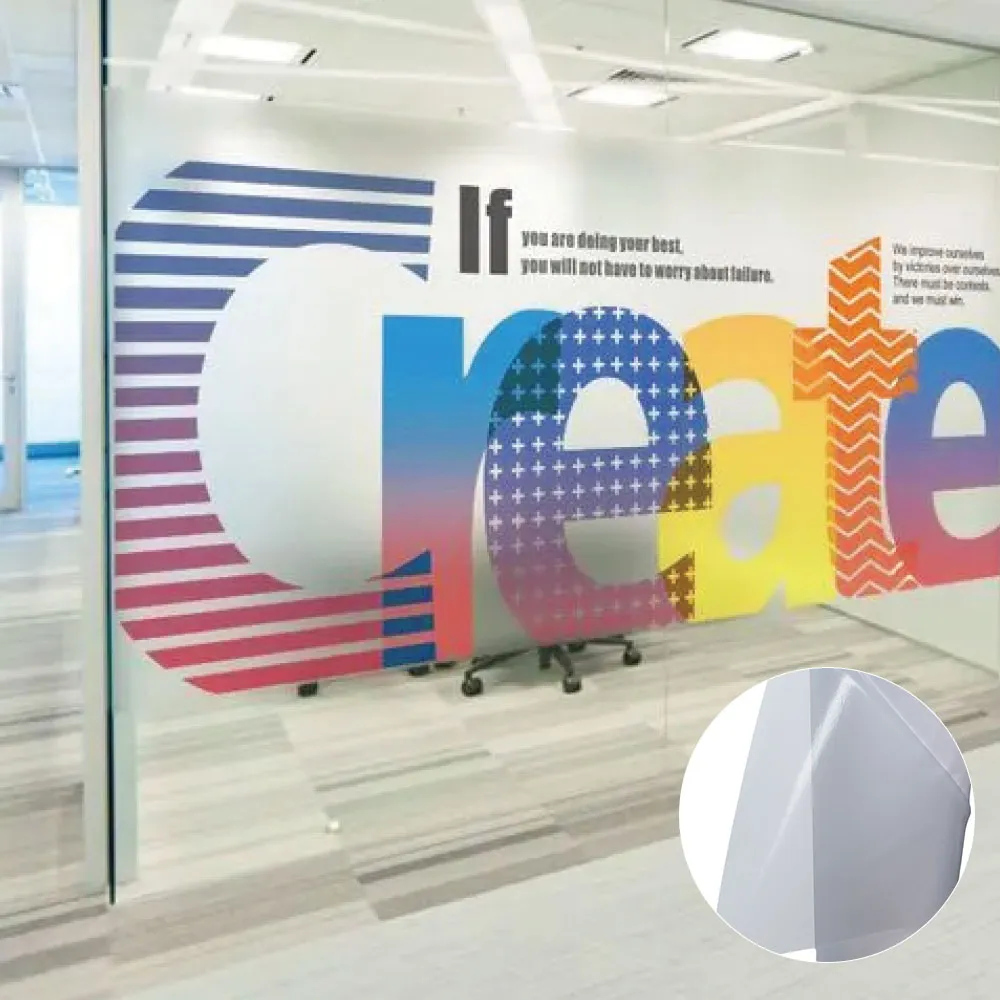
This problem is common in car wrap vinyl, vehicle graphics, outdoor signs, metal cabinets, and equipment decoration.
Edge lifting does not always mean the vinyl material is defective. In many cases, it is related to surface cleaning, application method, temperature, or the match between the vinyl and the use environment.
Quick Answer: Why Does Vinyl Edge Lifting Happen?
Vinyl edge lifting happens when the adhesive cannot keep a stable bond with the surface.
The most common causes are:
- Oil, dust, wax, or moisture on the surface
- Not enough edge pressure during installation
- Air or water trapped under the film
- Low-temperature application
- Too much tension on curves or corners
- Weak long-term adhesion
- Vinyl not suitable for outdoor use
To reduce this problem, you need two things: correct installation and the right vinyl material.
What Is Vinyl Edge Lifting?
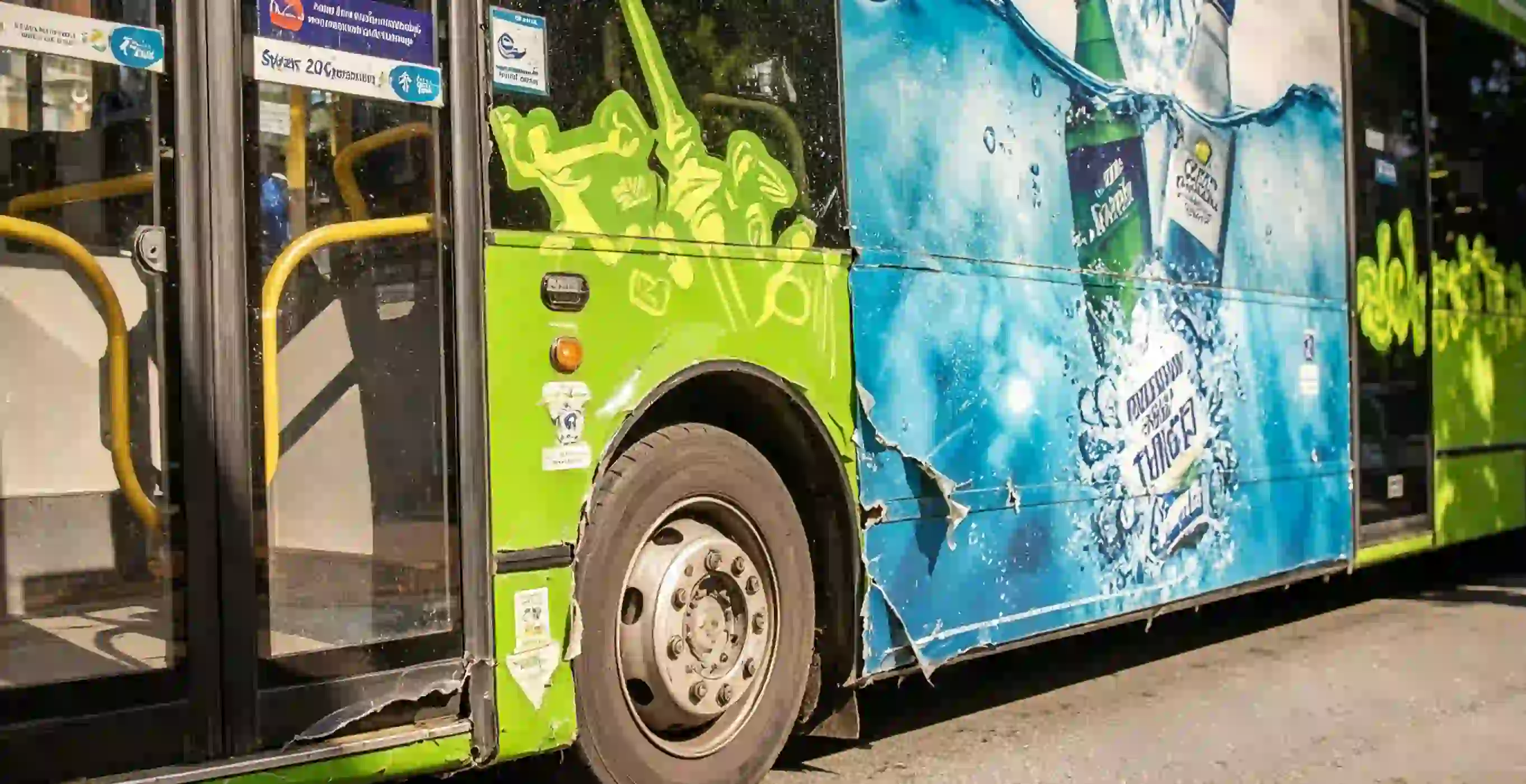
Vinyl edge lifting means the film starts to separate from the applied surface.
It may appear as curled edges, peeling corners, lifted seams, or bubbles near the edge.
At first, the problem may look small. But once the edge opens, dust, water, and air can enter under the film. This can make the peeling area larger.
Quick Check: What Is the Possible Cause?
| What You See | Possible Cause | What to Check |
|---|---|---|
| Lifting at edges or seams | Installation issue | Edge pressure, finishing, trapped air |
| Lifting within 3–7 days | Surface contamination | Oil, dust, wax, moisture |
| Lifting after outdoor use | Material or adhesive aging | Outdoor stability, adhesive performance |
| Lifting on curves or corners | Film tension | Stretching, heating, edge pressure |
| Bubbles near the edge | Trapped air or water | Air removal, wet application control |
This quick check can help you find the likely reason before replacing the material.
Main Causes of PVC Self-Adhesive Vinyl Edge Lifting
1. The Surface Was Not Clean Enough
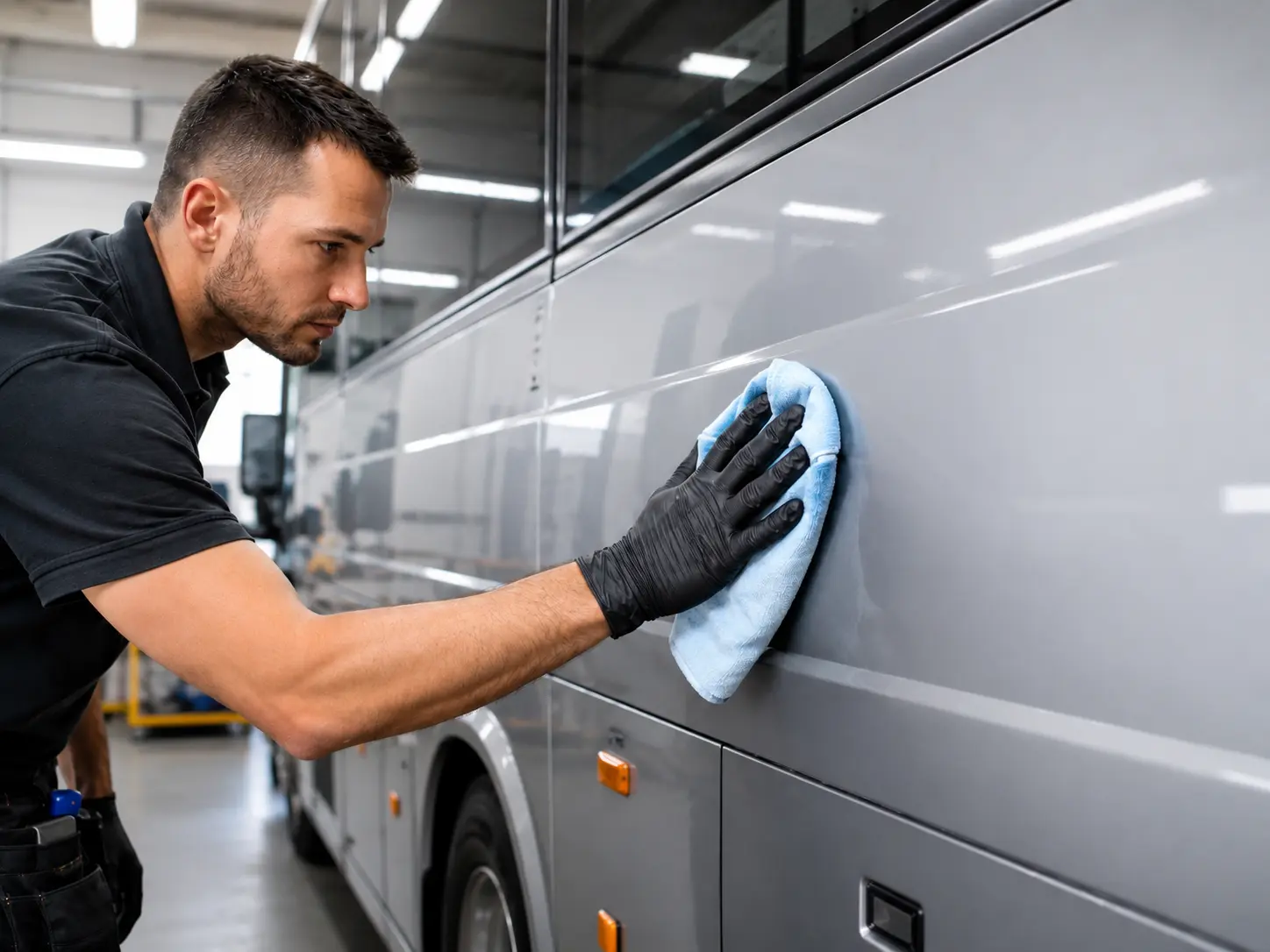
Surface cleaning is very important.
If the surface has oil, dust, wax, water, or cleaning liquid residue, the adhesive cannot bond well. The vinyl may look fine at first. But the bond may become weak after a short time.
This often happens on vehicle paint, metal panels, plastic parts, outdoor equipment, and waxed or coated surfaces.
Some surfaces may also release gas or moisture after installation. This can form bubbles under the film and cause edge lifting later.
2. The Installation Was Not Done Properly
Even good vinyl can lift if the installation is not correct.
Common installation problems include:
- Edges are not pressed firmly
- Corners are not finished well
- Air is not fully removed
- Water is trapped under the film
- Vinyl is applied in cold conditions
- The film is stretched too much on curves
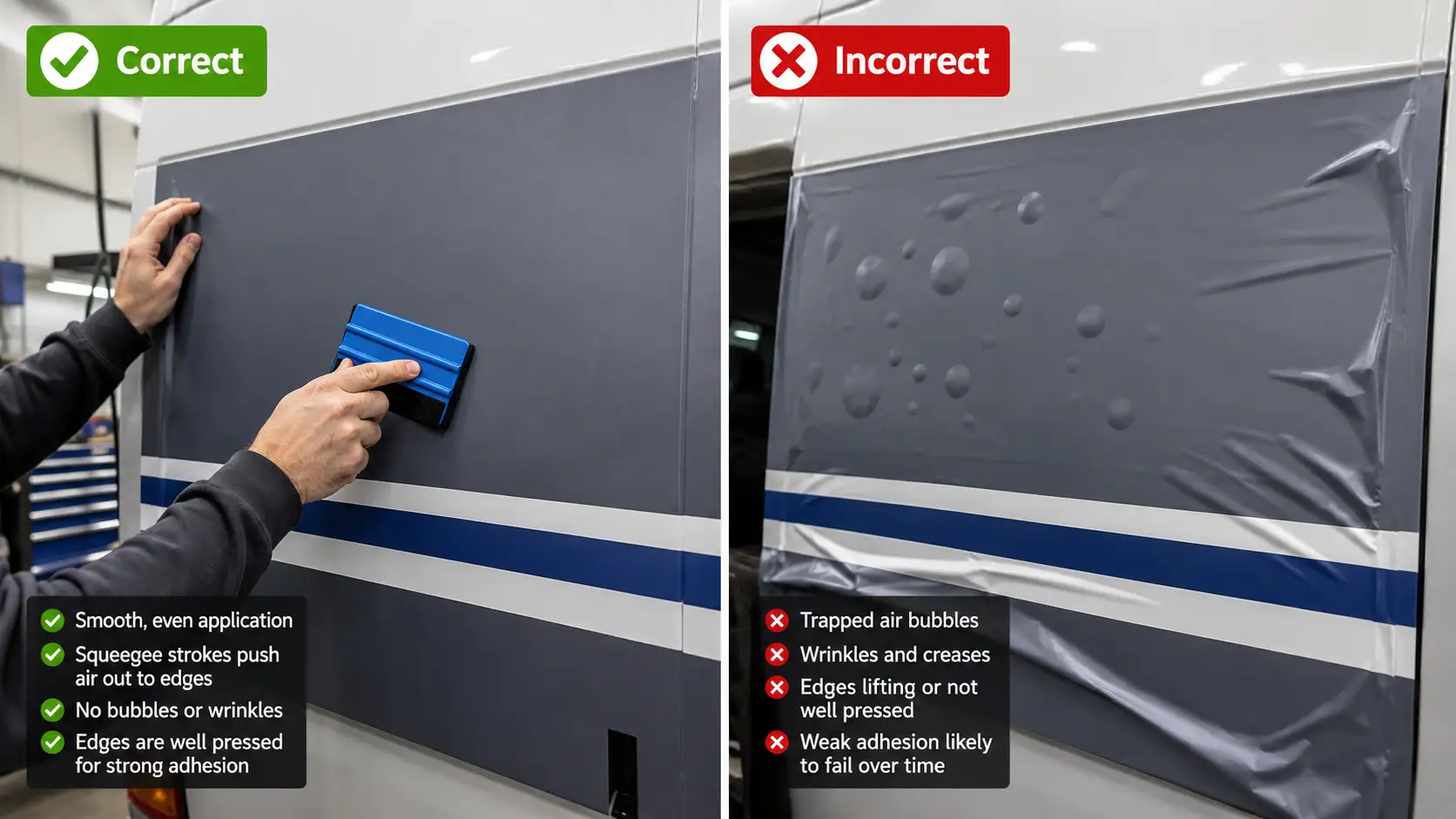
During application, air and water should be pushed out from the center to the edge. Use a squeegee with enough pressure.
Edges, seams, corners, and curved areas need extra attention. These areas carry more stress. If they are not pressed well, they may lift later.
3. The Vinyl Grade Was Not Suitable
Not all PVC self-adhesive vinyl is made for the same use.
For short-term indoor signs or flat surfaces, standard vinyl may be enough.
For outdoor signs, vehicle graphics, curved surfaces, or longer service life, polymeric self-adhesive vinyl is usually a safer choice.
If the adhesive has low initial tack, weak holding power, or poor outdoor stability, the vinyl may lift after sun, rain, wind, washing, or temperature change.
That is why material selection is important before installation.
Is Vinyl Edge Lifting a Material Quality Problem?
Not always.
Vinyl edge lifting can be caused by surface contamination, poor installation, low temperature, trapped air or water, or wrong material selection.
Material quality should be checked together with the application condition. For example, a vinyl film may work well on a clean flat indoor surface, but it may fail on a dirty, curved, or long-term outdoor surface.
Before judging the material, check the surface, installation process, temperature, and service environment.
Can Lifted Vinyl Edges Be Repaired?
It depends on the condition.
If the lifting is small and the adhesive is still clean, it may be repaired.
You can try these steps:
- Clean the lifted edge and the surface.
- Use gentle heat to soften the film.
- Press the edge again with a squeegee.
- Keep pressure on the edge for better contact.
Do not use strong solvent or too much heat. This may damage the vinyl film or the painted surface.
Repair is not always possible. If dust, water, or oil has entered under the film, the bond may not recover. If the adhesive has aged, the vinyl may continue to peel.
In this case, it is better to remove the failed area and apply new vinyl.
How to Prevent PVC Vinyl Edge Lifting
To prevent edge lifting, focus on three points: surface cleaning, installation pressure, and material selection.
Installation Tips
Before application, make sure the surface is clean and dry.
Remove dust, oil, wax, water, and cleaning agent residue. Do not apply vinyl on a dirty or wet surface.
In cold weather, preheat the vinyl and the surface. Low temperature can reduce adhesive tack. It can also make the film harder to apply.
During installation, remove all air and water. Work from the center to the edge. Use enough pressure.
After application, press edges, corners, seams, curved areas, and high-stress areas again. Areas exposed to wind or washing also need extra pressure.
Good edge pressure is one of the key steps to prevent lifting.
Product Selection Tips
Choose the vinyl based on the real use condition.
For short-term indoor signs, standard vinyl may be enough.
For outdoor signs, vehicles, equipment, and metal cabinets, choose a vinyl with better outdoor stability and long-term adhesion.
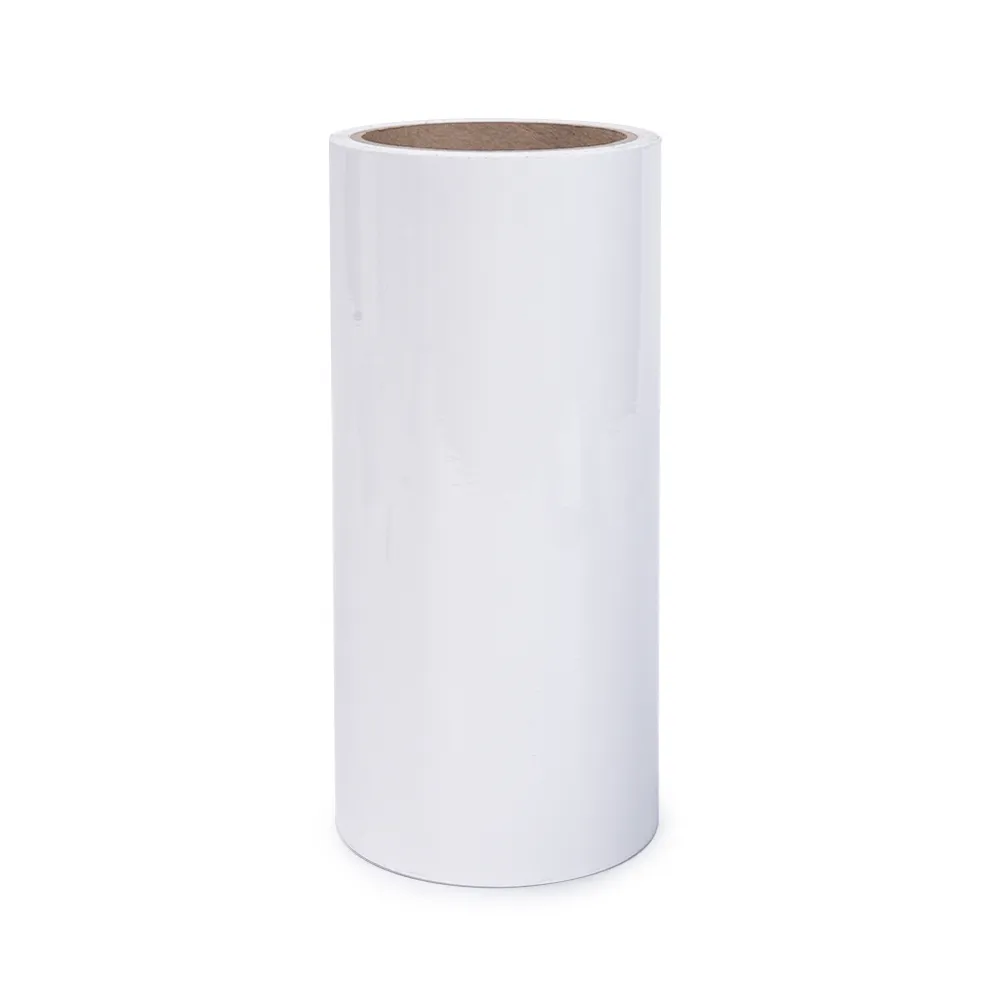
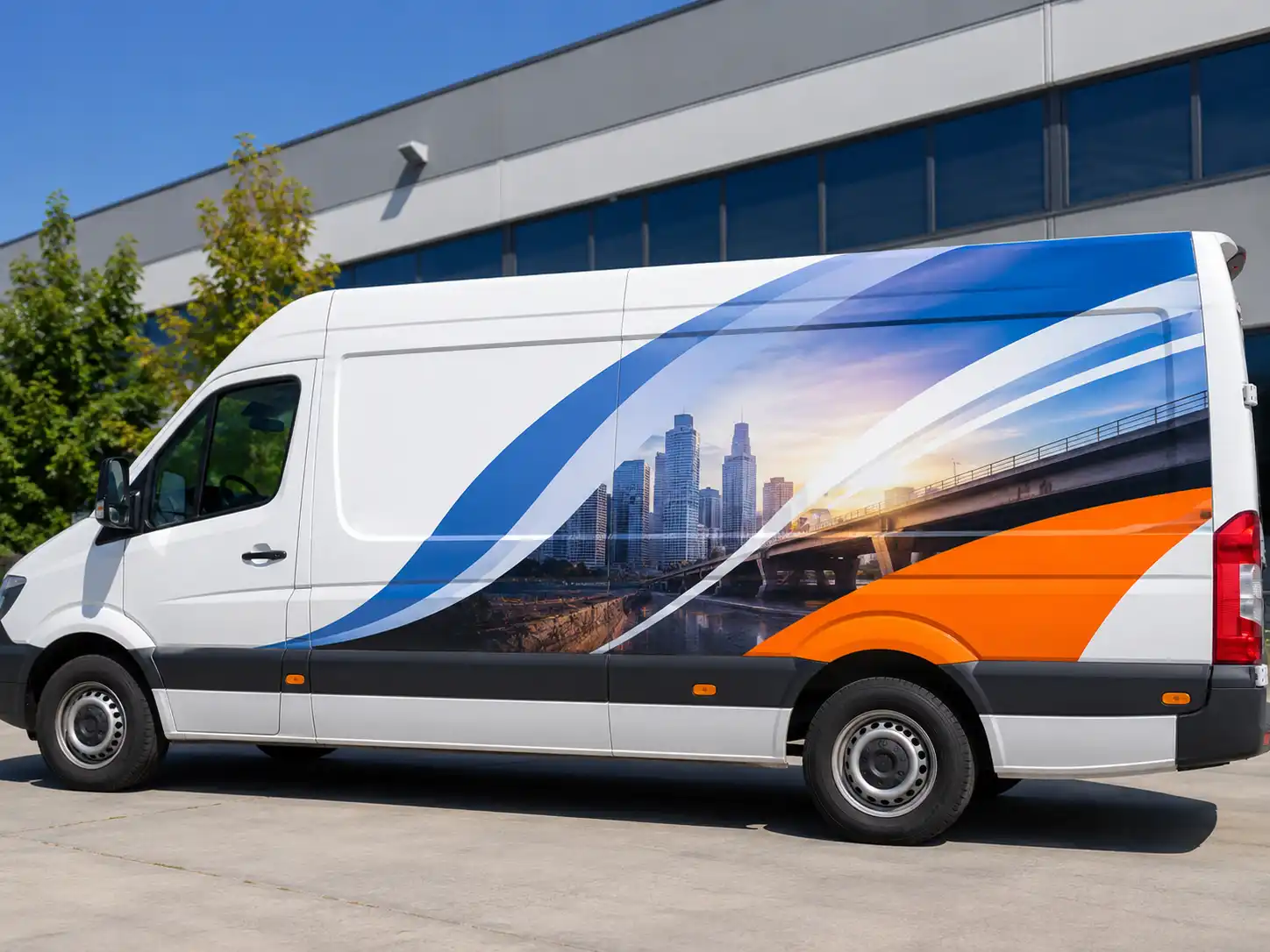
For long-term outdoor use, polymeric self-adhesive vinyl is usually recommended because it offers better dimensional stability than basic short-term vinyl. This helps reduce shrinkage, deformation, and edge stress during use. YG Group supplies polymeric vinyl options for vehicle graphics, outdoor equipment, metal surfaces, and long-term outdoor signs.
For more outdoor printing material options, you can also check our self-adhesive vinyl materials, digital printing materials, and overlaminate film solutions.
Quick Checklist Before Vinyl Application
Before applying PVC self-adhesive vinyl, check these points:
- Is the surface clean and dry?
- Is there any oil, dust, wax, or moisture?
- Is the temperature suitable?
- Is the vinyl suitable for indoor or outdoor use?
- Are edges and corners pressed firmly?
- Is all air or water removed?
- Is the vinyl suitable for the expected service time?
- Is the adhesive suitable for the surface?
If one of these points is missed, the risk of edge lifting may increase.
FAQ
Why does PVC self-adhesive vinyl lift at the edges?
It may lift because of surface dirt, poor installation, low temperature, trapped air or water, or weak adhesive performance.
Why does vinyl peel after only a few days?
If peeling happens within 3 to 7 days, the surface may not have been cleaned well. Oil, dust, wax, or moisture can reduce adhesion.
Why does vinyl lift after outdoor use?
Outdoor sunlight, rain, wind, heat, cold, and washing can affect the adhesive. If the vinyl is not designed for outdoor use, edge lifting may happen over time.
Can lifted vinyl edges be repaired?
Small lifting may be repaired if the adhesive is still clean. If dust, water, or oil has entered under the film, replacement is usually better.
What vinyl is better for vehicle graphics?
For vehicle graphics, outdoor signs, curved surfaces, and longer service life, polymeric self-adhesive vinyl is usually recommended.
Conclusion
PVC self-adhesive vinyl edge lifting is not always caused by one reason. In most cases, it can be reduced by controlling three points: surface cleaning, installation pressure, and material selection.
Before application, make sure the surface is clean and dry. During installation, remove air and water fully. After installation, press edges, corners, seams, and curved areas firmly.
For outdoor use, choose a vinyl material with good dimensional stability and long-term adhesion.
YG Group supplies polymeric self-adhesive vinyl for vehicle graphics, outdoor equipment, metal surfaces, and other long-term applications.
If you are facing vinyl edge lifting, peeling, or outdoor adhesion problems, send us your surface type, installation photos, use environment, and service life requirement. YG Group can help review the possible cause and recommend a suitable self-adhesive vinyl solution.