

PVC vs PET Transfer Tape: How to Choose the Right Material



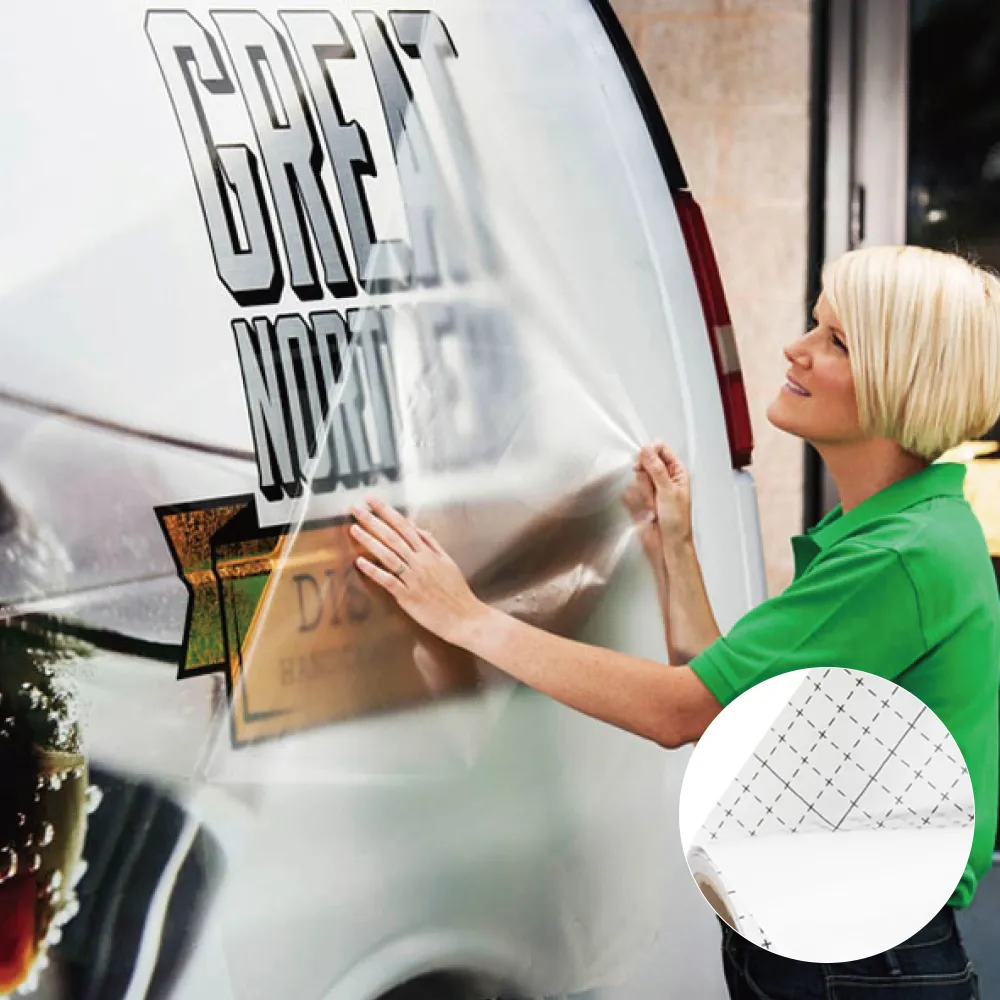
Transfer tape, also called application tape, is used to move cut vinyl graphics from the release liner to the intended application surface.
PVC and PET products are both clear application tapes used for vinyl lettering, decals, signage graphics and window graphics.
Quick Answer
PET transfer tape is generally selected when dimensional stability, stretch resistance and detailed graphic positioning are priorities. PVC transfer tape provides a thicker handling feel and is commonly evaluated for general vinyl lettering, decals and buyers already using PVC application film.
The correct choice also depends on adhesive tack, vinyl surface, graphic detail, liner release force, processing method and required roll format.
Evaluate the transfer tape with the actual vinyl and release liner before confirming bulk production.
PVC vs PET Transfer Tape at a Glance
| Purchasing Factor | PVC Transfer Tape | PET Transfer Tape |
|---|---|---|
| Face material | Clear PVC film | Clear PET film |
| YG Group film thickness | 70 μm | 38 μm or 50 μm |
| Adhesive | Clear solvent-based removable adhesive | Clear solvent-based removable adhesive |
| Handling feel | Thicker and more substantial | Thinner and flatter |
| Stretch resistance | Moderate; evaluate for detailed graphics | Stronger resistance to stretching |
| Typical selection focus | General graphics and thicker-film handling | Detailed graphics and dimensional stability |
| Visibility | Transparent | Transparent |
| Tack selection | Based on the vinyl and release liner | Based on the vinyl and release liner |
| Release liner | 100 g single-sided PE-coated release paper | Varies by product model |
In this application, “removable adhesive” means that the transfer film is designed to peel away from the vinyl after installation. Removal performance depends on the vinyl surface, adhesive tack and application conditions.
What Is PVC Transfer Tape?
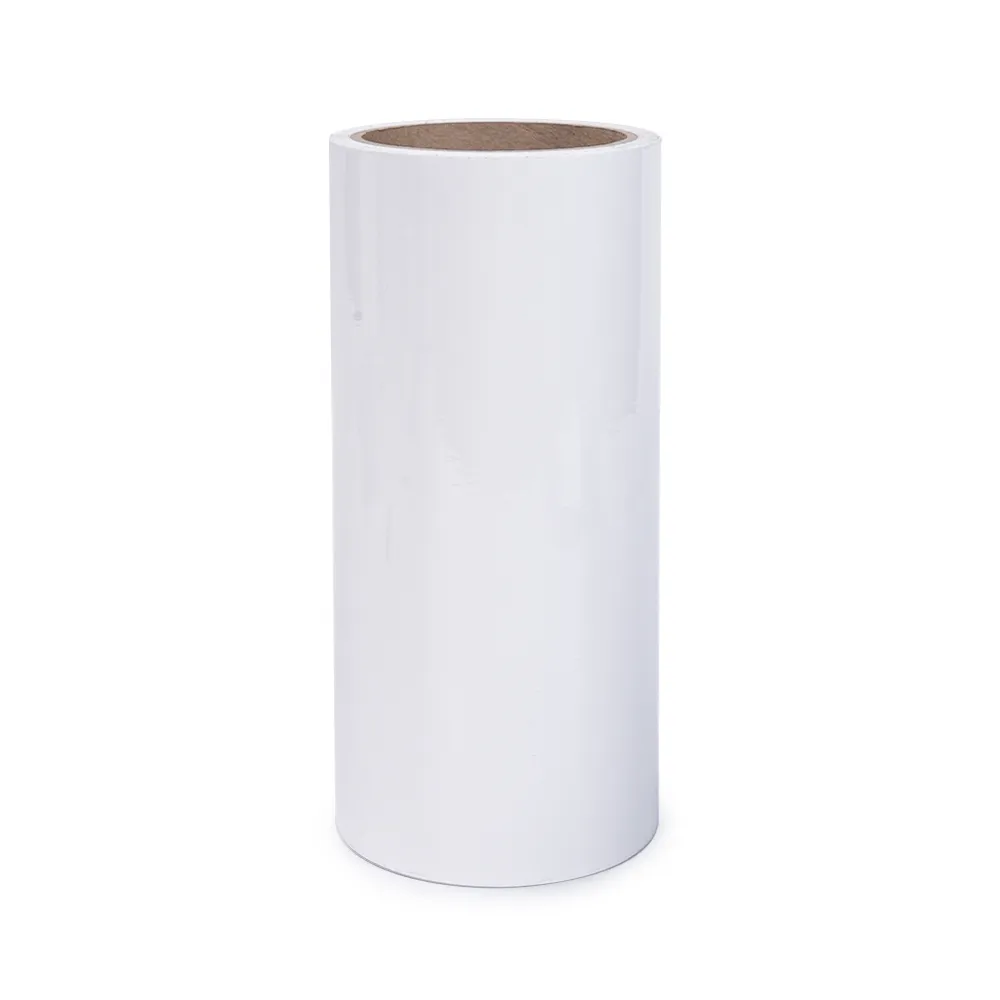
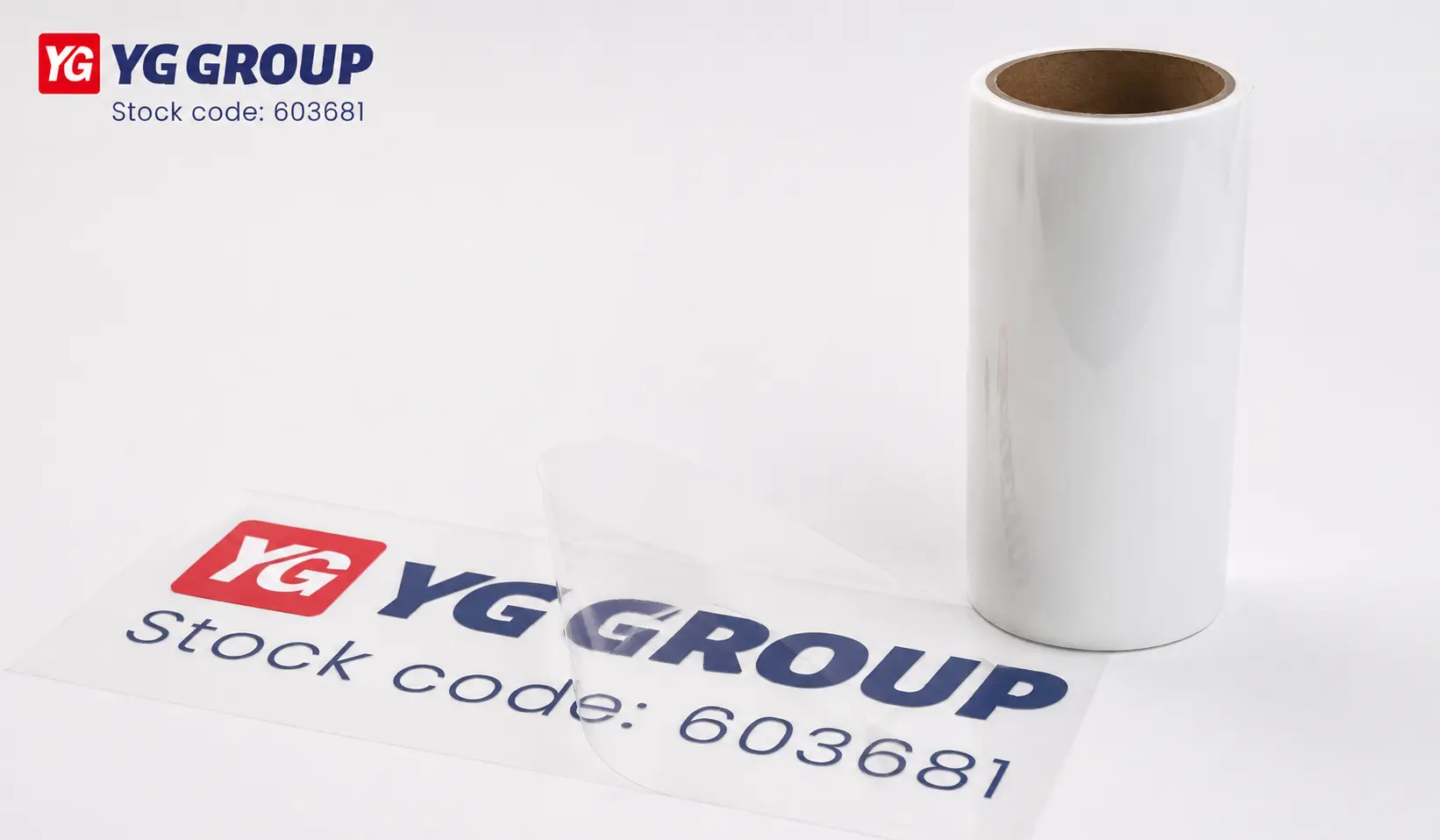
PVC transfer tape uses transparent PVC film as the carrier.
YG Group's current PVC transfer tape construction includes:
- 70 μm clear PVC film
- Clear solvent-based adhesive
- 100 g single-sided PE-coated release paper
PVC transfer tape may be preferred by converters or installers who want to match the handling characteristics of an existing thicker application film.
Typical applications include:
- Cut vinyl lettering
- Signage graphics
- Decorative decals
- Window graphics
- Medium-sized cut vinyl graphics
PVC and PET serve different handling and graphic-transfer requirements. The final bonding surface is mainly determined by the vinyl adhesive. Transfer tape supports graphic pickup, movement and positioning, but it does not determine whether the vinyl can bond to glass, metal, plastic or painted surfaces.
What Is PET Transfer Tape?
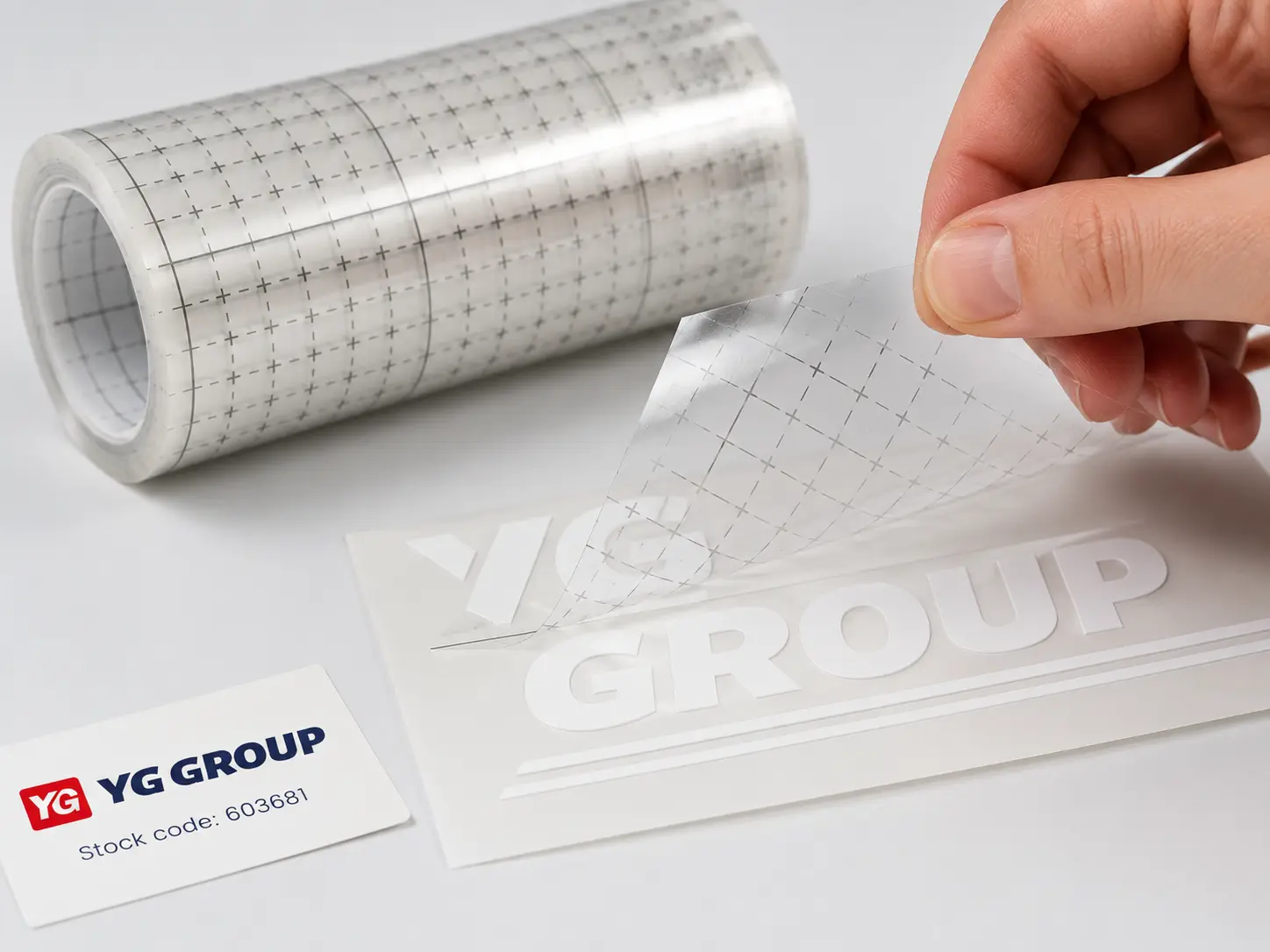
PET transfer tape uses transparent polyester film as the carrier.
YG Group currently offers 38 μm and 50 μm PET film options. Release liner specifications vary by product model.
PET generally provides stronger dimensional stability during handling, liner removal and graphic positioning.
It is commonly evaluated for:
- Small vinyl letters
- Thin lines
- Detailed logos
- Closely spaced graphic elements
- Multi-part cut vinyl graphics
- Applications requiring accurate positioning
PET can help maintain the spacing and dimensions of detailed graphics. Reliable pickup still depends on the adhesive tack, vinyl surface and release liner force.
Difference 1: Film Thickness and Handling
YG Group’s PVC transfer tape uses a 70 μm film, while its PET range includes 38 μm and 50 μm options.
Film thickness affects handling, but it does not directly determine adhesive strength or final transfer performance.
PVC may suit buyers who prefer more substantial film handling or want to match an existing PVC application tape.
PET is thinner and generally offers stronger flatness. This may support more controlled positioning when a design contains small or closely spaced elements.
The choice should be based on the complete vinyl and transfer system rather than film thickness alone.
Difference 2: Graphic Detail and Dimensional Stability
Film deformation can change the spacing and position of vinyl elements during transfer. This issue is more noticeable with small text, thin lines, detailed logos and designs made from separate components.
PET can help maintain letter spacing, fine-line position and graphic dimensions during liner removal and application.
PVC remains suitable for many general lettering and decal applications. Its transparent construction allows installers to see the graphic, alignment marks and target position before applying pressure.
Graphic accuracy also depends on:
- Cutting quality
- Vinyl stiffness
- Release liner force
- Lamination tension
- Installer technique
For small letters and intricate designs, PET is usually the first material to evaluate. For general lettering and medium-sized graphics, either material may be suitable depending on handling and pickup performance.
Difference 3: Flatness and Processing
Transfer tape should remain sufficiently flat during unwinding, lamination, storage and installation.
Poor flatness or uneven lamination may contribute to:
- Wrinkles
- Incomplete contact
- Graphic misalignment
- Trapped air
PET is commonly evaluated where stable film handling and accurate positioning are important. PVC may suit processes that already use a thicker application film.
For deep curves, channels or irregular surfaces, evaluate the complete vinyl and transfer tape system. Surface shape, vinyl flexibility and installation method can all affect the result.
For machine processing, provide the supplier with:
- Equipment type
- Roll width
- Core size
- Winding direction
- Required roll format
These details help determine whether the selected construction fits the converting process.
Adhesive Tack and Release Liner
Face film, adhesive tack and release liner are separate specifications.
The correct tack depends on:
- Vinyl surface texture
- Vinyl stiffness
- Graphic size
- Release liner force
- Cutting and application conditions
- Required pickup performance
If tack is too low, the transfer tape may fail to lift the vinyl from its liner. If tack is too high, the film may be difficult to remove after application.
Medium-tack transfer tape may be considered for general vinyl lettering, but the required pickup force depends on the vinyl surface and liner release force. Matte, textured or small-detail vinyl may require a different adhesive specification.
Low, medium and high tack should not be used as the only purchasing description. A reference sample or agreed test method provides a more reliable comparison.
YG Group’s current PVC transfer tape uses 100 g single-sided PE-coated release paper. PET release liner specifications depend on the selected model.
Before quotation, buyers should provide the required liner type, paper weight, coating, roll format and processing method.
How to Choose PVC or PET Transfer Tape
1. Check the Vinyl and Release Liner
Confirm whether the vinyl is smooth, matte, textured, printed, laminated, soft or rigid.
The release force of the original vinyl liner affects whether the transfer tape can lift the cut graphic cleanly. Smooth gloss vinyl may not require the same pickup force as matte or textured vinyl.
2. Check the Graphic Size and Detail
Evaluate PET transfer tape first when the design contains small letters, thin lines, detailed logos or closely spaced elements.
Evaluate PVC transfer tape when thicker film handling is preferred for general lettering, decals and signage graphics.
For large graphics, also consider roll width, film flatness, graphic structure and installation method.
3. Check the Application and Processing Method
Confirm whether the transfer tape will be:
- Laminated manually
- Processed by machine
- Converted into sheets
- Supplied as finished rolls
- Supplied as jumbo rolls
- Stored after lamination
Higher tack is not automatically better for large-area graphics. Excessive adhesion may make the transfer film harder to remove after installation.
4. Confirm Specifications and Test Compatibility
Provide the required:
- Film material and thickness
- Tack requirement
- Roll width and length
- Core size
- Winding direction
- Release liner specification
- Application method
Test the transfer tape with the actual vinyl, release liner and cutting process. Then complete a full application test on the intended surface before bulk production.
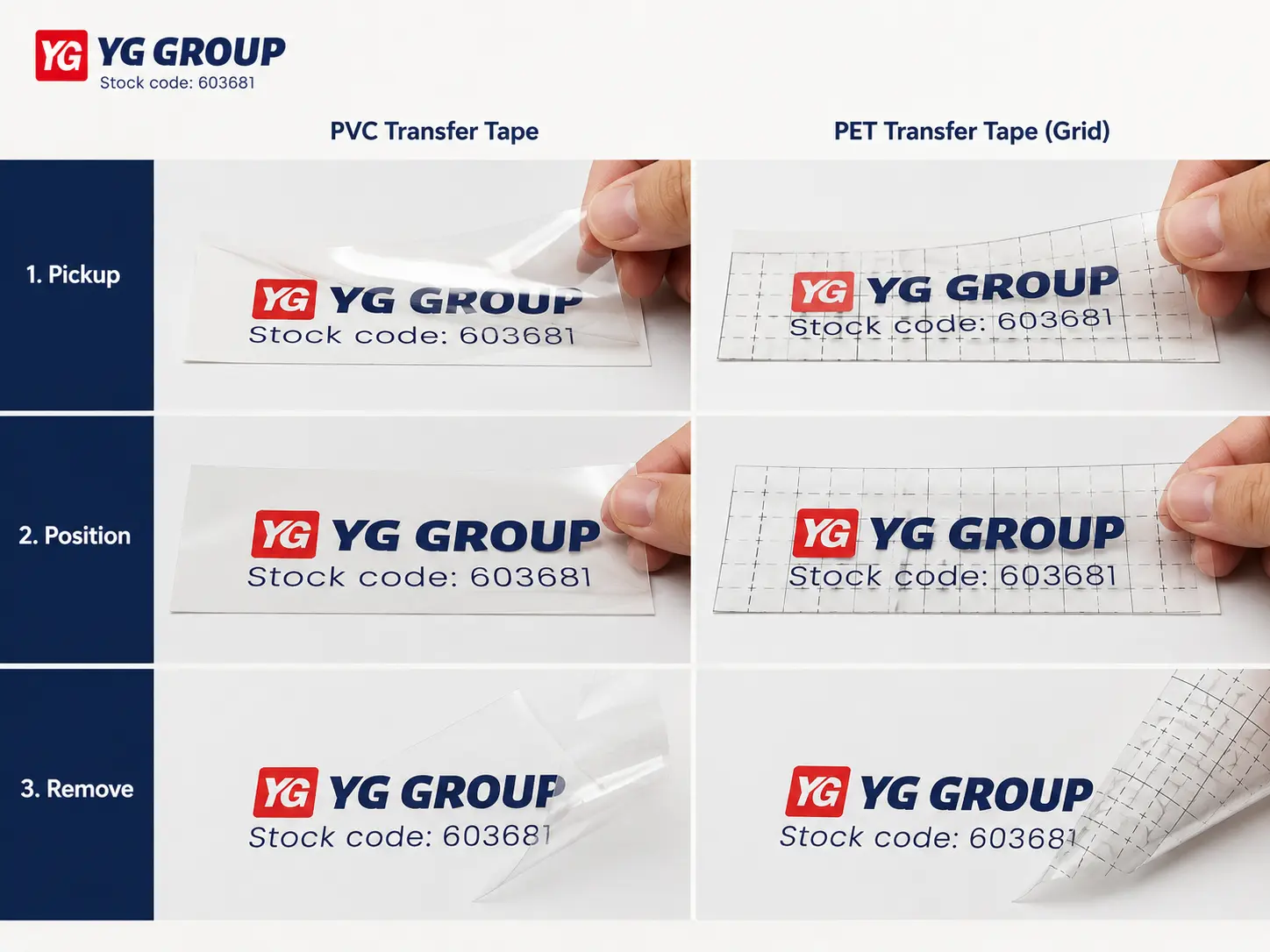
YG Group Transfer Tape Supply Options
YG Group supplies clear PVC and PET transfer tape for vinyl lettering, signage graphics, window graphics, decorative decals and cut vinyl graphics.
Available specifications can be discussed according to the project, including:
- PVC or PET face film
- Film thickness
- Adhesive type and tack
- Release liner construction
- Roll width and length
- Core size
- Winding direction
- Finished rolls
- Jumbo rolls
Jumbo roll specifications are available subject to product model and order requirements.
Customized packaging and core printing are also available according to confirmed order specifications.
Frequently Asked Questions
What is the main difference between PVC and PET transfer tape?
PVC transfer tape has a thicker handling feel. PET transfer tape generally provides stronger flatness and dimensional stability. PVC is commonly evaluated for general vinyl graphics, while PET is often selected for small letters, thin lines and detailed patterns.
Which transfer tape is better for small vinyl letters?
PET transfer tape is usually the first option to evaluate because its dimensional stability can help maintain letter spacing. Adhesive tack must still match the vinyl surface and release liner.
Does film thickness determine adhesive tack?
No. Film thickness and adhesive tack are separate specifications. A 70 μm PVC film does not automatically provide stronger adhesion than a 38 μm or 50 μm PET film.
Can the adhesive tack be customized?
Tack requirements can be discussed according to the vinyl surface, liner release force, graphic size and pickup requirements. An actual vinyl sample or reference material provides a more reliable basis for selection.
Are PVC and PET transfer tapes available in jumbo rolls?
Jumbo roll specifications are available subject to product model and order requirements. Provide the required width, length, core size, winding direction, equipment type and estimated quantity for review.
What information is required for a quotation?
Provide the film material, thickness, roll dimensions, core size, release liner requirement, vinyl type, graphic size, tack requirement, processing method and order quantity. Customized packaging and core printing can also be requested.
Request a Sample or Quotation
Send YG Group your vinyl type, graphic size, required tack, roll dimensions, processing method and estimated quantity.
Our team can recommend a suitable PVC or PET transfer tape and arrange samples or a quotation based on the confirmed specifications.