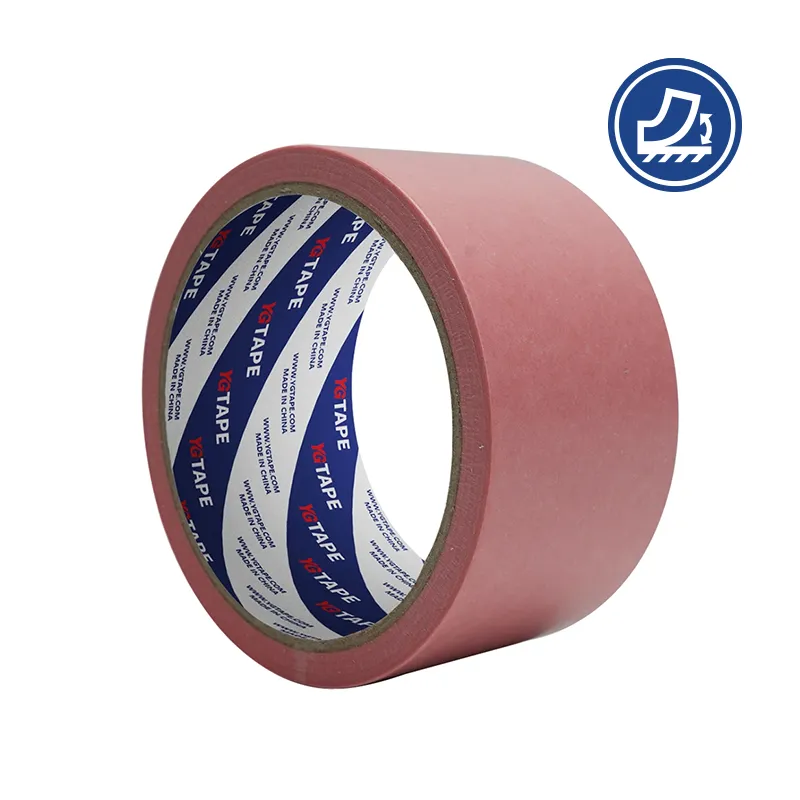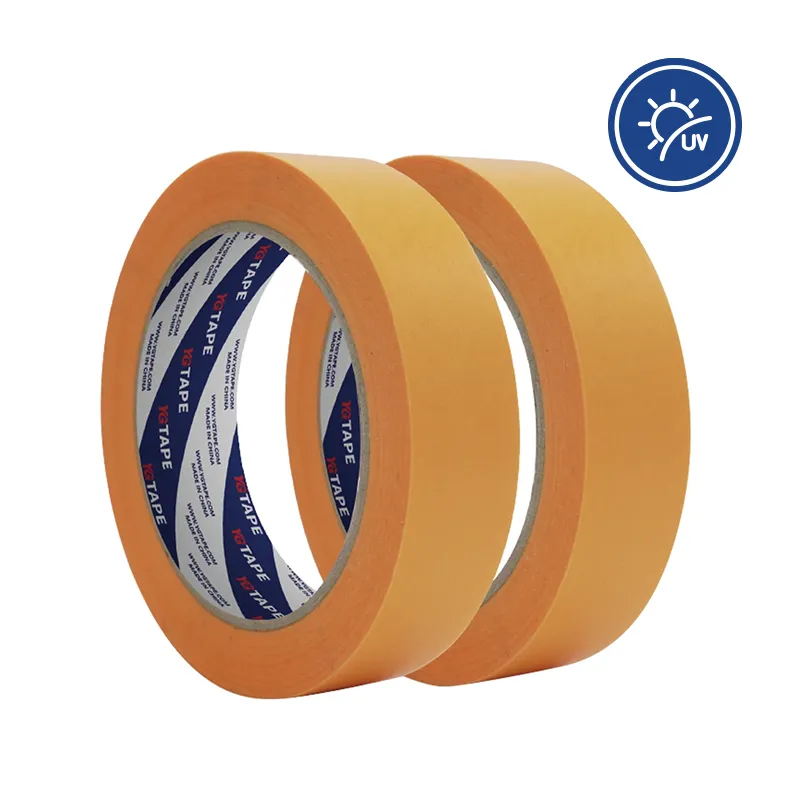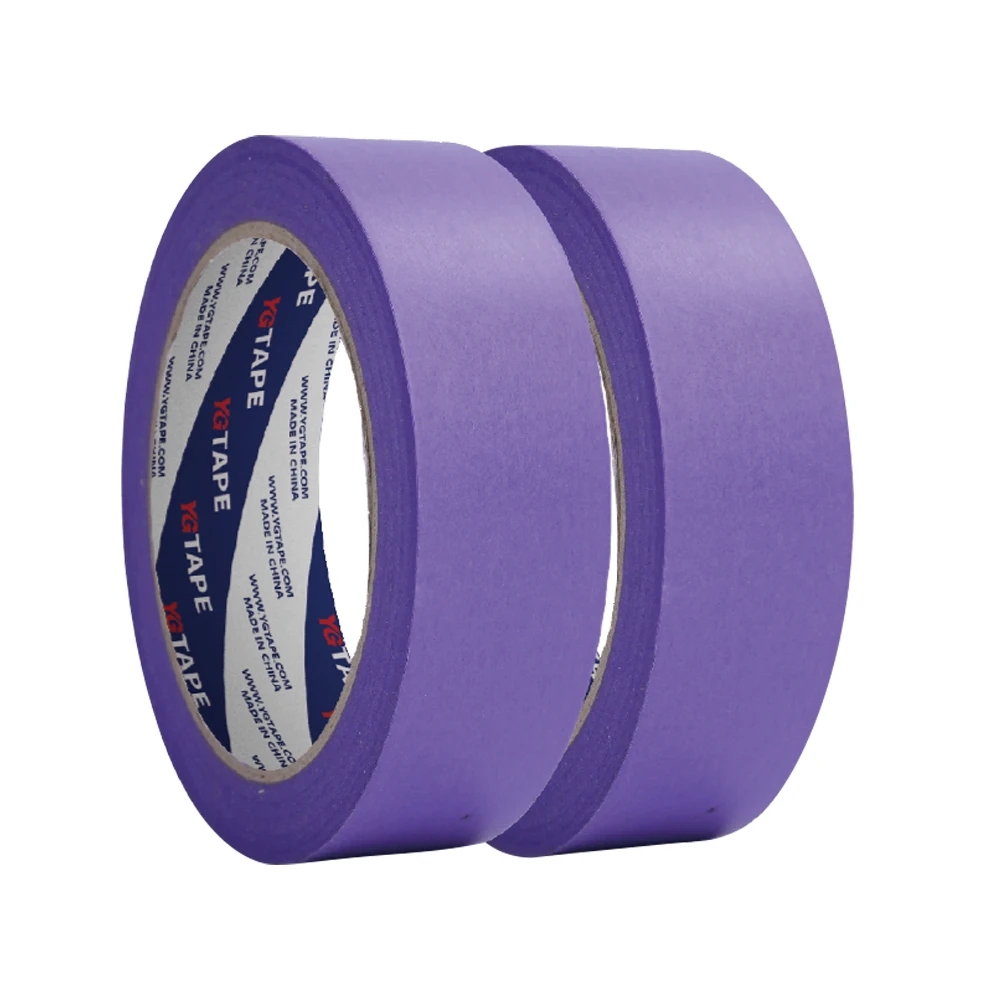


How to Choose Washi Tape for Painted Wall Masking



Washi tape is widely used for painted wall masking, decoration and renovation work. In some markets, buyers may also search for it as washi paper tape because of its paper-based backing.
However, paint peeling after washi tape removal can still happen when the tape, wall condition, application time or removal method is not properly matched.
For home improvement suppliers, decoration material distributors and professional painting channels, this problem needs attention. When end users see paint coming off the wall, they may quickly assume the washi tape has a quality problem. Repeated complaints can affect customer trust, channel recommendations and repeat orders.
That is why washi tape should be selected according to the actual wall surface, masking time and removal requirement, not only by size or price. You can also review YG Group's masking tape solutions to compare different paper tape options for painting, decoration and masking applications.
Common Complaint: Paint Peeling After Washi Tape Removal
In wall masking applications, coating lifting or paint peeling may appear after the tape is removed.
Common signs include:
- paint peeling from the wall
- weak coating being pulled up
- chalking surface residue
- old paint layer lifting
- visible repair marks after masking
- uneven paint edges after decoration work
This problem is more likely to happen on delicate or unstable surfaces. Newly painted walls, old painted walls, chalking surfaces, wallpaper and fabric wall coverings may all have a higher risk.
For distributors and contractors, the key is to check whether the complaint is related to the tape, wall condition, application time or removal method.
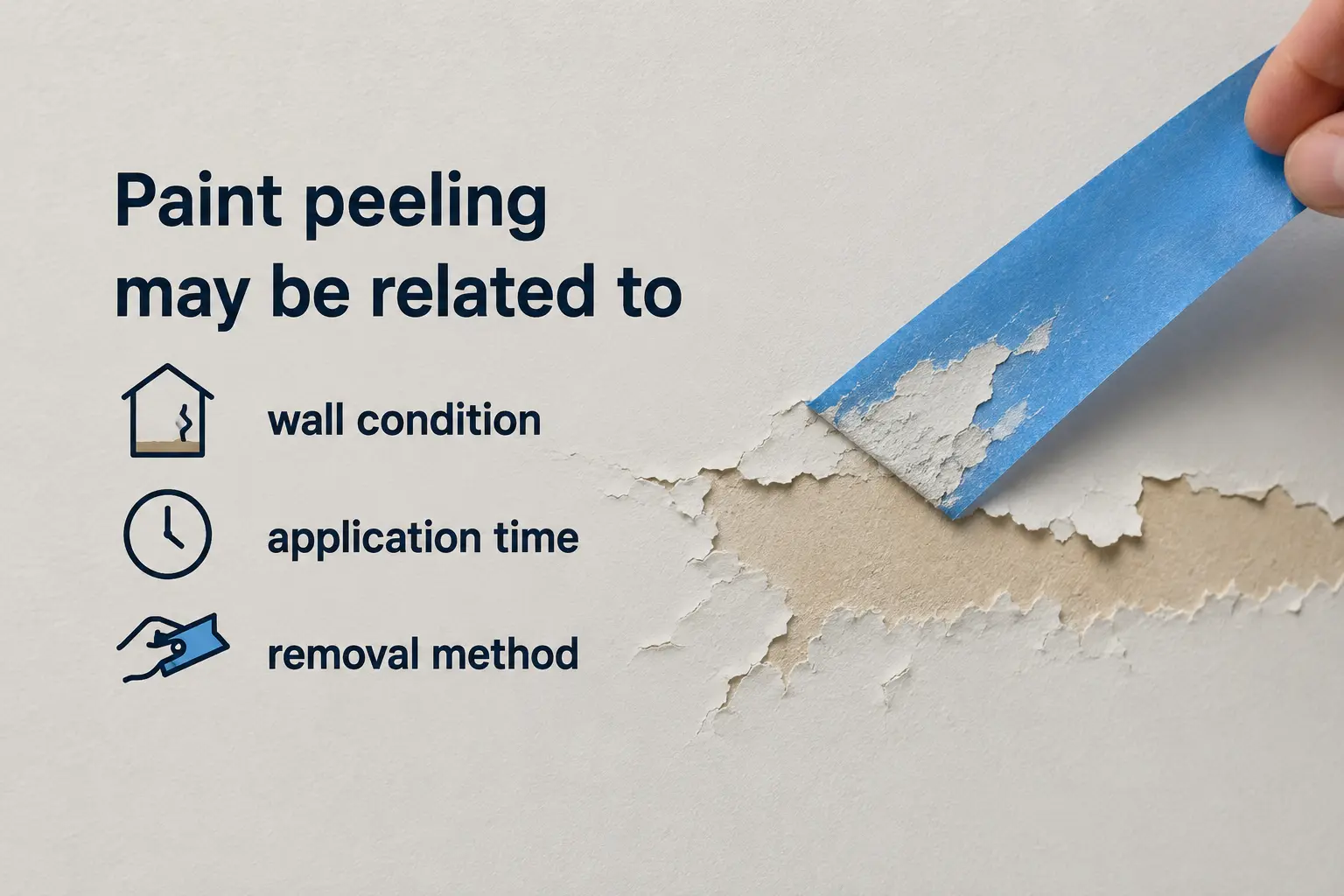
Why Does Paint Peel After Washi Tape Removal?
Paint peeling after washi tape removal is usually caused by one or more of the following factors.
1. Long Application Time
Washi tape is usually designed for temporary masking. If the tape stays on the wall longer than recommended, the bond between the adhesive and the paint layer may become stronger. During removal, this may increase the risk of coating lifting.
This risk is higher when the wall paint is not fully dried and cured, or when the paint layer has weak adhesion.
2. Unstable Wall Surface
Wall condition is one of the most important factors when using washi tape on painted walls.
Higher-risk surfaces include:
- newly painted walls that are not fully dried and cured
- old painted walls
- chalking or peeling wall surfaces
- weak paint layers
- wallpaper
- fabric wall coverings
- repaired or uneven wall areas
Even when the tape is properly selected, weak wall surfaces can still increase removal risk. Before recommending washi tape for walls, suppliers should confirm the actual surface and application condition.
3. Incorrect Removal Method
If the tape is pulled off too quickly, or removed at a sharp angle, it may create stronger pulling force on the wall surface.
A better method is to remove the tape slowly at a low angle. This helps reduce stress on the paint layer and lowers the risk of sudden coating lifting.
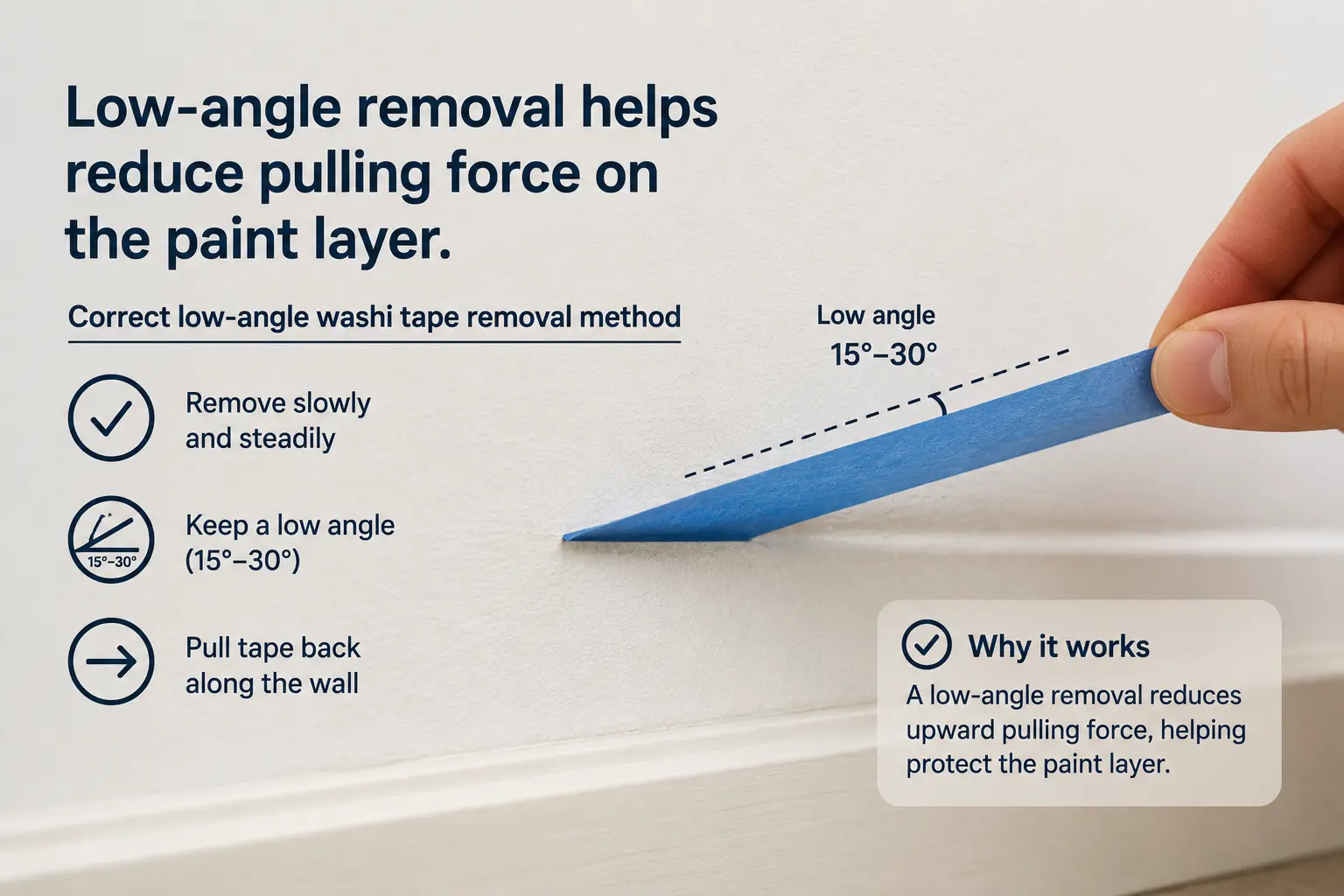
Quick Checklist Before Judging the Tape
When paint peeling happens, do not judge the tape immediately. Check the full application condition first:
- How long did the washi tape stay on the wall?
- Was the wall fully dried and cured before tape application?
- Was the wall old, chalking, peeling or weak?
- Was the surface wallpaper or fabric wall covering?
- Was the tape removed slowly at a low angle?
- Was the selected tape suitable for delicate wall surfaces?
- Was a small-area test done before full application?
- Did the same issue happen on all surfaces, or only on one type of wall?
If the issue mainly happens after a long application time, the tape may not be suitable for extended wall masking. If it only happens on one type of wall, the wall condition may be the main reason.
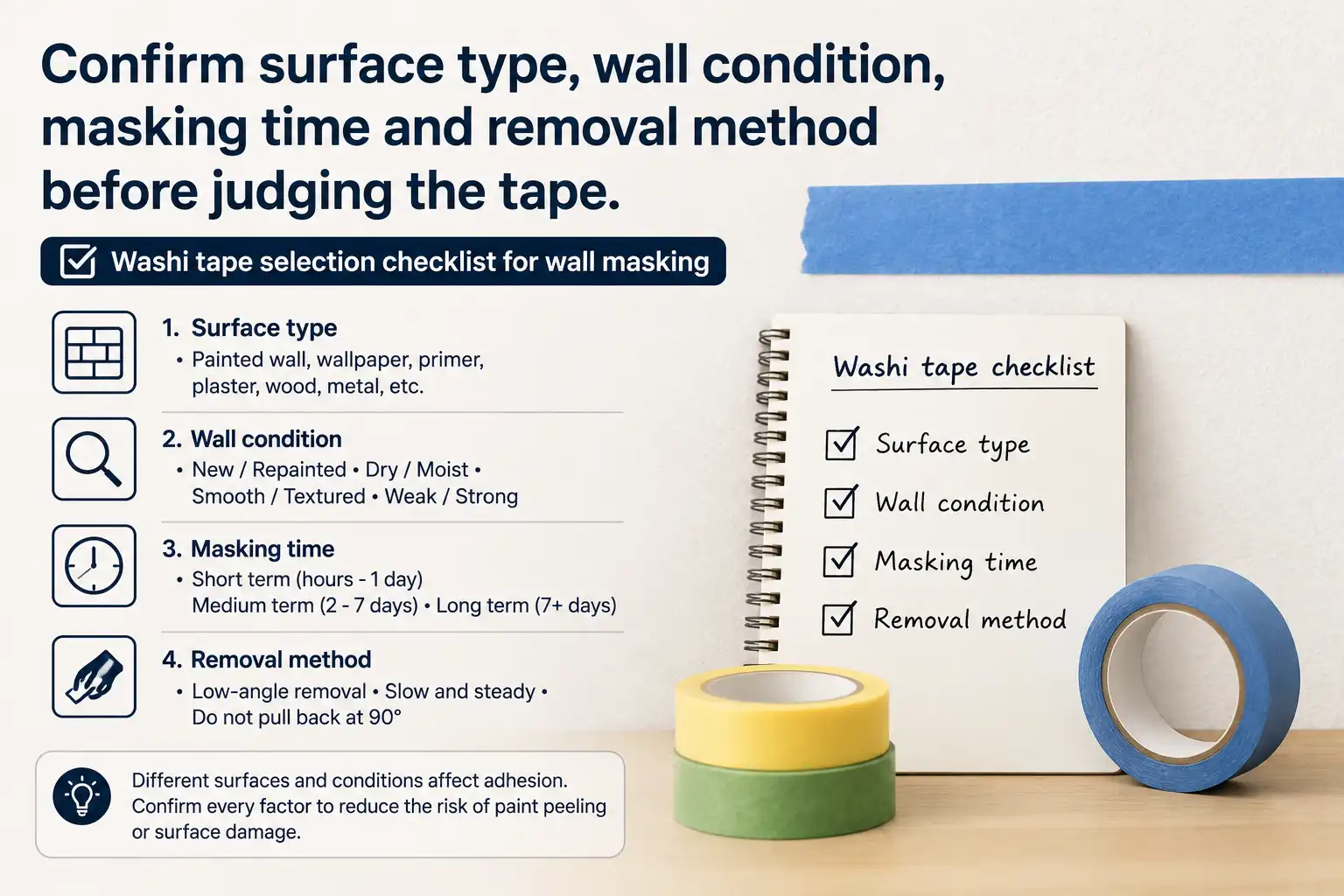
How to Choose Washi Tape for Wall Masking
One washi tape cannot cover all wall masking needs.
Different wall surfaces, application times and removal requirements need different adhesion levels. A high-adhesion tape may work well on stable or rough surfaces, but it may not be suitable for delicate painted walls, wallpaper or fabric wall coverings.
For fragile surfaces, it is better to choose a low-tack washi tape or a clean-removal washi tape with gentler adhesion. Customers can review options such as Indoor Low Tack Washi Tape and Sensitive Washi Tape, then confirm suitability through sample testing based on the actual wall condition, masking time and removal method.
However, very low tack is not suitable for every application. For rough or textured walls, very low tack may not provide enough holding power.
The key is not stronger adhesion. The key is suitable adhesion.
Clean removal performance still depends on wall condition, application time and removal method. A clean-removal tape does not mean zero risk on every wall surface.
| Application Condition | Risk Point | Selection Direction |
| Newly painted wall | Paint may not be fully dried and cured | Avoid early application and test first |
| Old painted wall | Coating adhesion may be weak | Use gentler adhesion and remove carefully |
| Chalking wall surface | Surface layer may be unstable | Test before use or avoid direct application |
| Wallpaper or fabric wall covering | Surface may be delicate | Choose a lower-tack grade with controlled removal performance |
| Longer application time | Adhesive bond may increase | Confirm the recommended removal window |
| Rough or uneven wall | Tape may need better holding power | Choose a suitable tack level based on test |
| Professional painting work | Edge quality and clean removal both matter | Balance adhesion, conformability and removability |
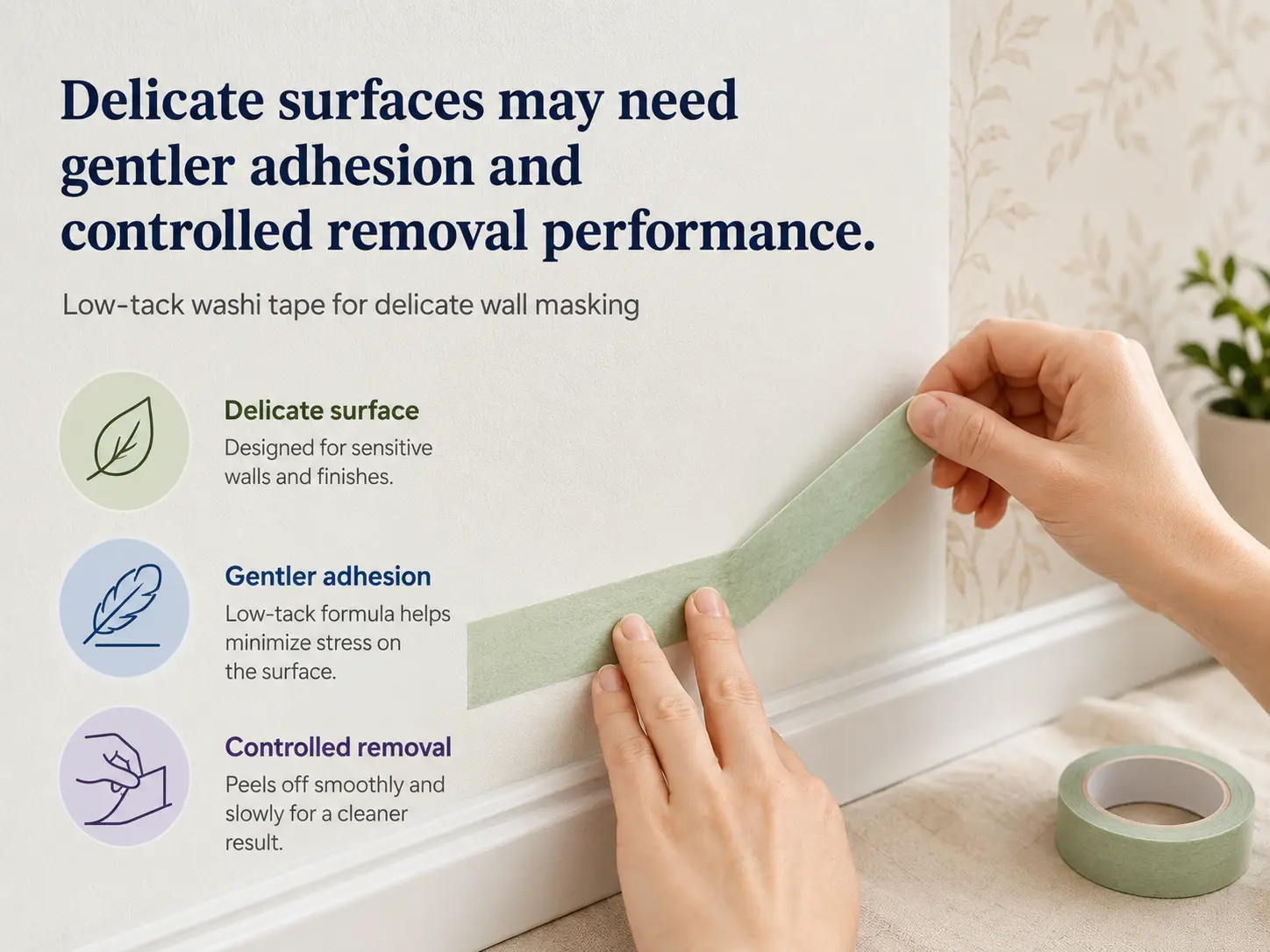
How to Reduce Paint Peeling Risk
For better wall masking results, follow these basic rules:
- Make sure the wall surface is dry, cured and stable.
- Avoid applying tape on chalking, peeling or weak paint layers.
- Do not leave the tape on the wall for too long.
- Test a small area before large-area application.
- Remove the tape slowly at a low angle.
- Use low-tack washi tape for delicate surfaces.
- Choose the tape according to surface type and application time.
These steps cannot guarantee zero risk on every wall, because wall conditions can vary. However, they can help reduce complaints and improve the final decoration result.
Why Product Matching Matters for Distributors
For distributors, product matching is important because end-user complaints often come back to the channel.
If one standard product is sold for all wall masking needs, complaint risk may increase. Different customers may use the tape on different surfaces, for different times and with different removal methods.
A suitable wall masking solution can help distributors improve customer satisfaction, reduce after-sales pressure and support long-term cooperation.
For professional painting projects that require broader surface protection, YG Group also supplies Masking Film with Washi Tape, which combines PE masking film with washi tape for precision painting and protection work.
How YG Group Supports Washi Tape Customers
As a washi tape manufacturer and supplier, YG Group supports customers with adhesive selection, coating control, slitting, testing and packaging customization.
Based on customer samples, target surfaces and application time, YG can help compare different tack levels and recommend suitable tape structures for sample testing.
Our support includes:
- washi tape selection for different wall masking applications
- low-tack and controlled-removal tape recommendation
- application condition analysis
- sample testing support
- jumbo roll washi tape and finished roll supply
- private label packaging for washi tape
- custom washi tape solutions for distributors and professional channels
For more product information, customers can also review the YG Adhesive Tape Catalog.
Conclusion
Paint peeling after washi tape removal is usually caused by a combination of product selection, wall condition, application time and removal method.
For home improvement suppliers, decoration material distributors and professional painting channels, confirming these factors before recommending tape can reduce complaints and improve customer confidence.
If your channel customers are facing similar wall masking issues, please share your target wall surface, application time, roll size, packaging requirements and sales channel. YG Group can recommend a suitable washi tape solution and provide samples for testing.
FAQ
Can washi tape cause paint peeling?
Yes. The risk is higher when the wall is newly painted, old, chalking, peeling, weak or when the tape stays on the wall for too long.
Is stronger adhesion better for wall masking?
Not always. For delicate wall surfaces, gentler adhesion and clean removal are often more important than high tack.
What is low-tack washi tape used for?
Low-tack washi tape is used for delicate surfaces where gentle adhesion and controlled removal are required.
How should washi tape be removed from a painted wall?
It should be removed slowly at a low angle. Fast removal or sharp-angle removal may increase stress on the paint layer.
Should I test the tape before using it on a wall?
Yes. A small-area test is recommended, especially on newly painted walls, wallpaper, fabric wall coverings, old walls or repaired surfaces.
How can distributors reduce complaints about washi tape on walls?
Distributors can reduce complaints by confirming the wall surface, application time, removal requirement and customer use method before recommending a product.
Can YG Group supply custom washi tape for distributors?
Yes. YG Group supports custom washi tape solutions, including jumbo roll supply, finished roll slitting, adhesion recommendation, private label packaging and sample testing.