



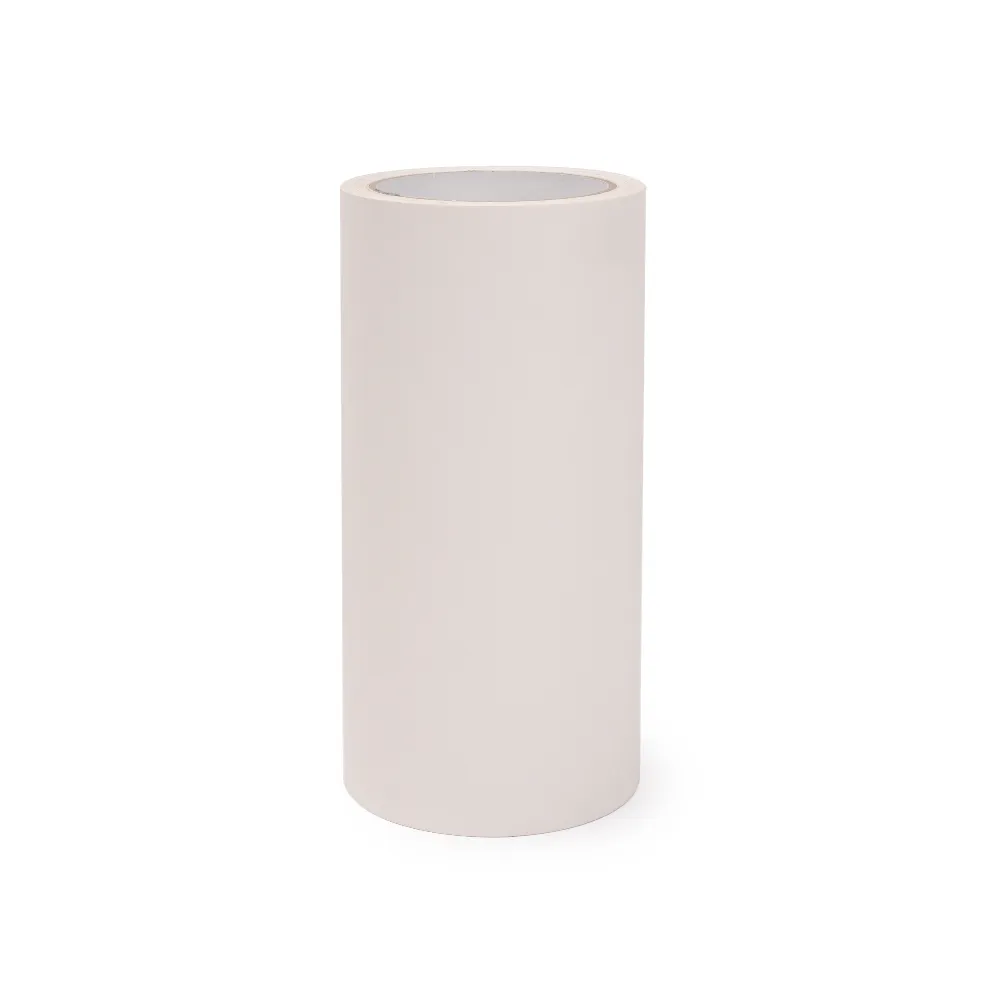
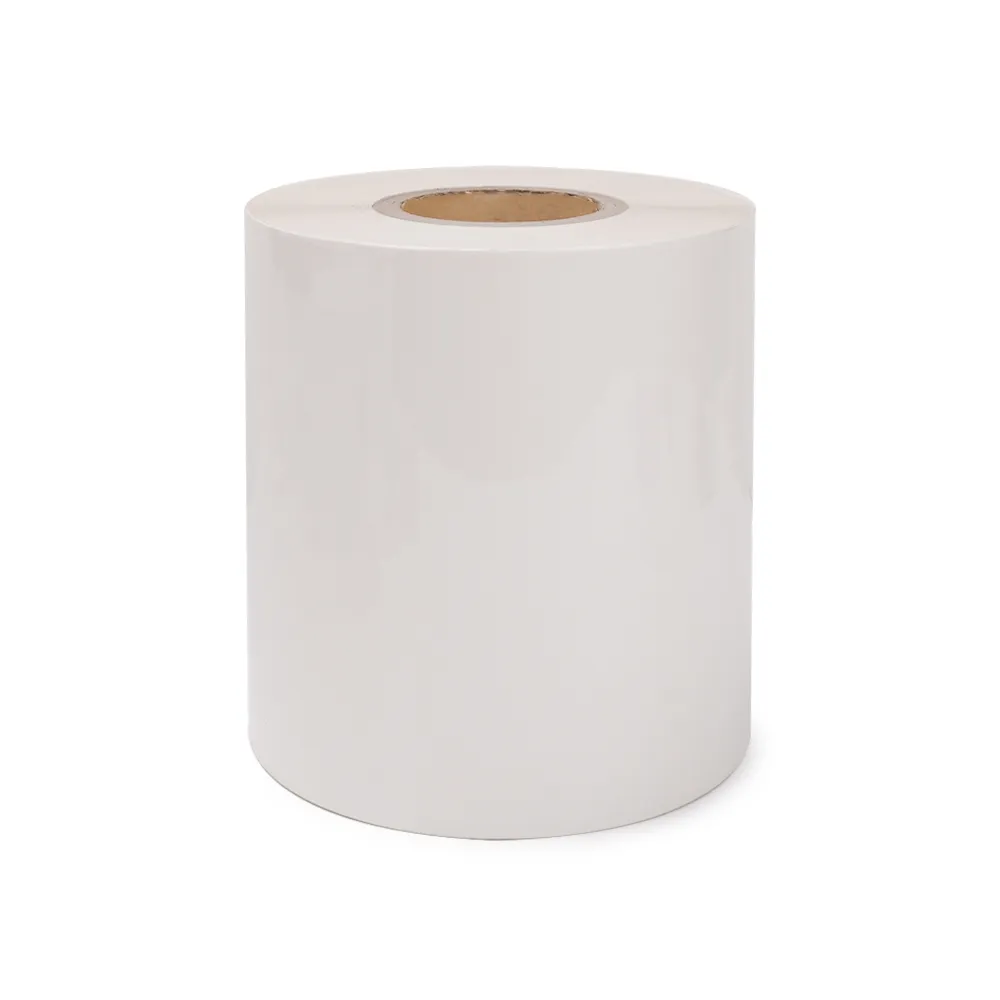
PP White Gloss
Features:
- Durable & Moisture Resistant: Offers excellent resistance to water, chemicals, and abrasion for long-lasting label performance.
- High Gloss & Excellent Printability: Provides a smooth glossy surface for vibrant colors, sharp images, and premium label appearance.
- Stable Processing Performance: Maintains good dimensional stability during printing, laminating, die-cutting, and converting processes.
Applications:
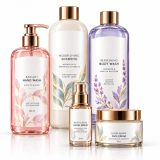
- Premium Cosmetics Packaging
- Luxury Product Packaging
- Fashion Accessories Packaging

Available Models and Specifications
| Product | Facestock Thickness | Facestock Material | Adhesive | Liner Gsm | Liner Material |
| JFH2001 | 60µm | PP Gloss White | Hot Melt | 60g | White Glassine |
| JFH3001 | 60µm | PP Gloss White | Emulsion | 60g | White Glassine |
| JFH3006 | 60µm | PP Gloss White(UV) | Emulsion | 60g | White Glassine |
*We support custom options, including:
Width, length, thickness, color, logo, packaging, core size, adhesive type, face material, release liner, jumbo roll or finished roll supply
Why Choose Gloss White PP?
1. Premium Glossy Appearance
Creates a bright and attractive surface for high-quality label designs.
2. Excellent Durability
Provides strong resistance to moisture, chemicals, and daily wear.
3. Superior Printing Performance
Supports clear graphics, sharp text, and vibrant colors.
4. Flexible Application Range
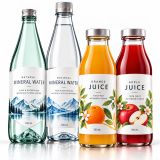
Suitable for various industries including food, beverage, cosmetics, and industrial products.
5. Customizable Solutions
Available with different thicknesses, adhesives, and specifications.
How to Choose Gloss White PP?
Choosing the right Gloss White PP depends on printing requirements, application environment, and label performance needs.
1. Consider Printing Requirements
Select suitable PP film according to printing method and required image quality.
2. Evaluate Application Conditions
Consider exposure to water, chemicals, temperature changes, and outdoor environments.
3. Select Suitable Thickness
Choose film thickness according to label stiffness, converting process, and application requirements.
4. Match Adhesive Requirements
Select the appropriate adhesive type based on the surface material and application conditions.
Gloss White PP FAQ
What is Gloss White PP?
What is Gloss White PP used for?
What are the advantages of Gloss White PP?
Is Gloss White PP waterproof?
What printing methods are suitable for Gloss White PP?
What is the difference between Gloss White PP and Gloss White PET?
Can Gloss White PP be customized?
Is Gloss White PP suitable for self-adhesive labels?
Supplier's Popular Products




Need a Custom Solution?
Related Articles
View More
_dab2c.webp)