



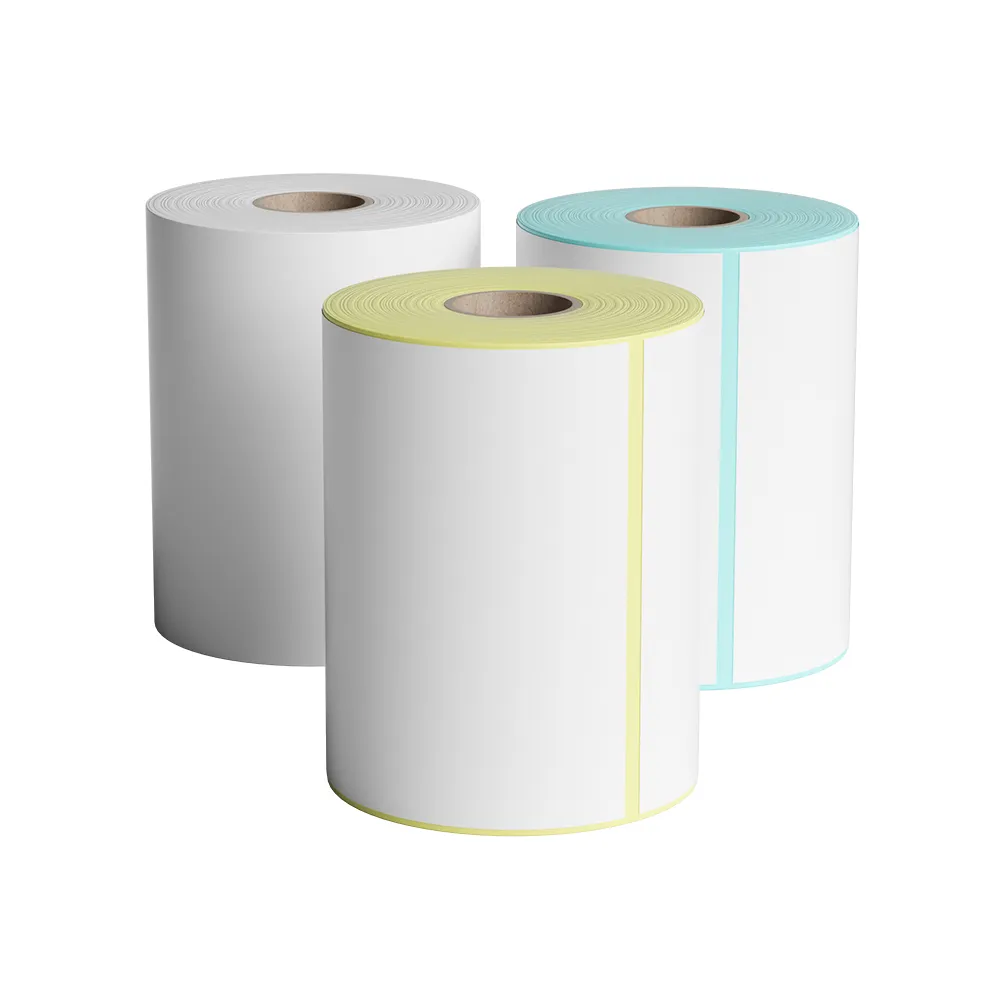
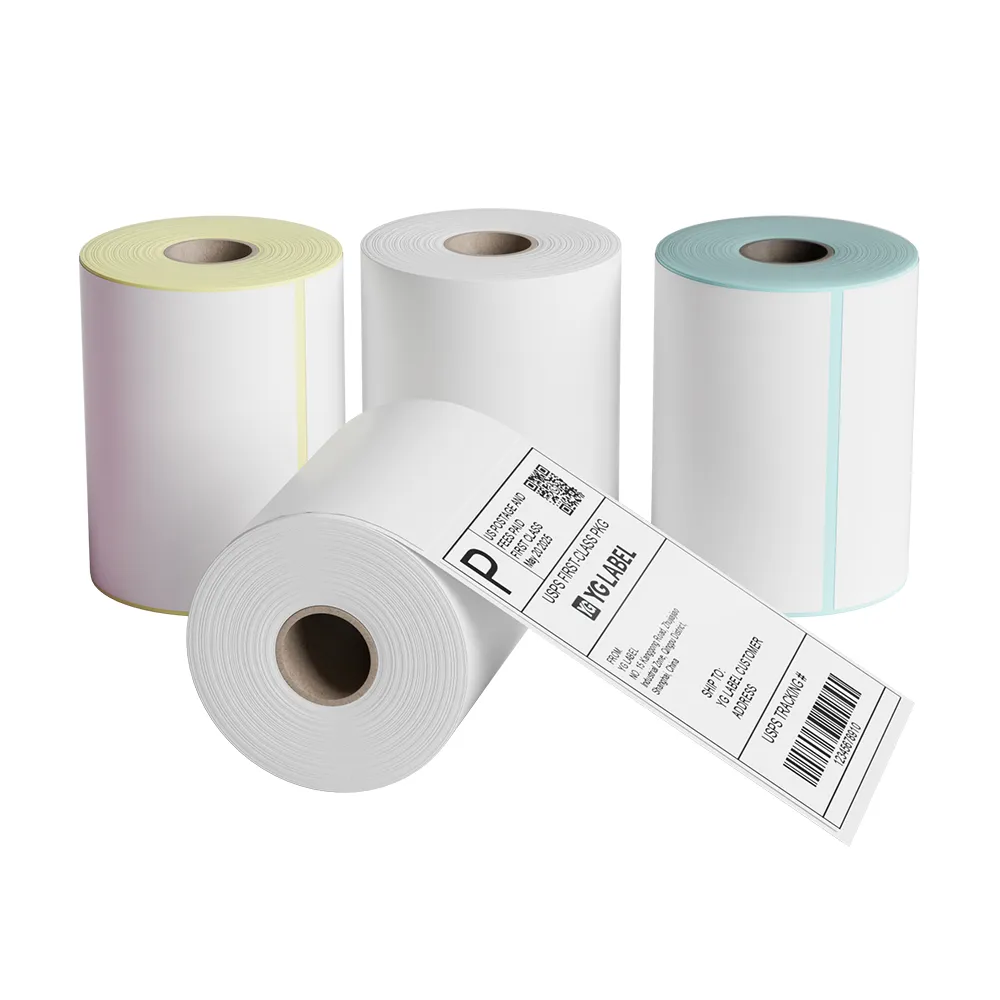

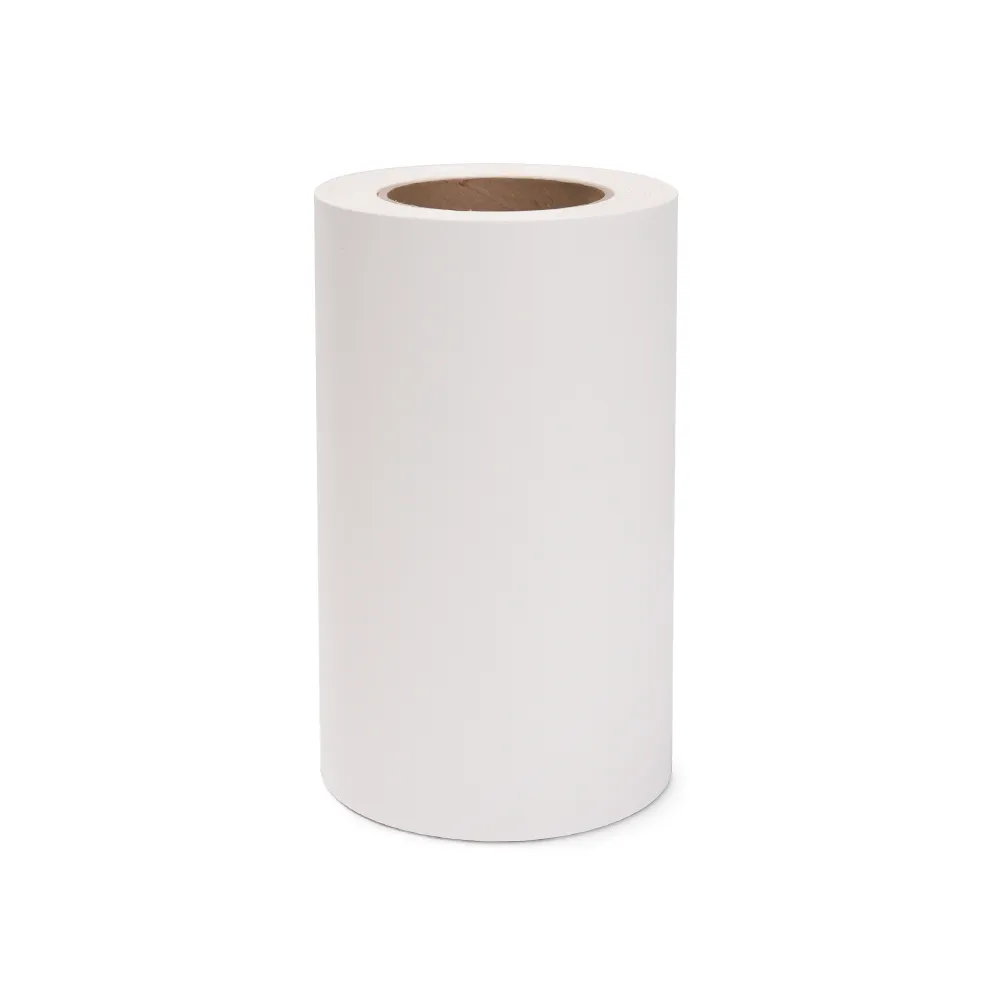
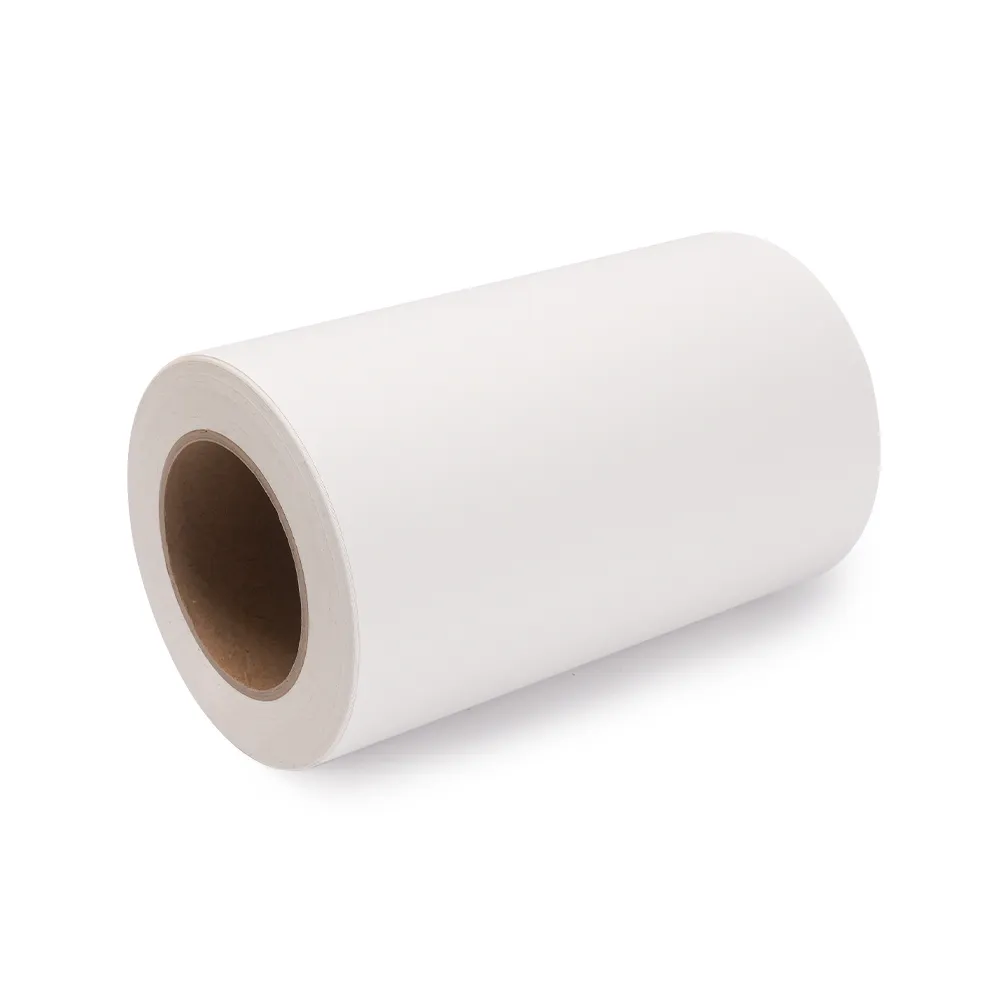
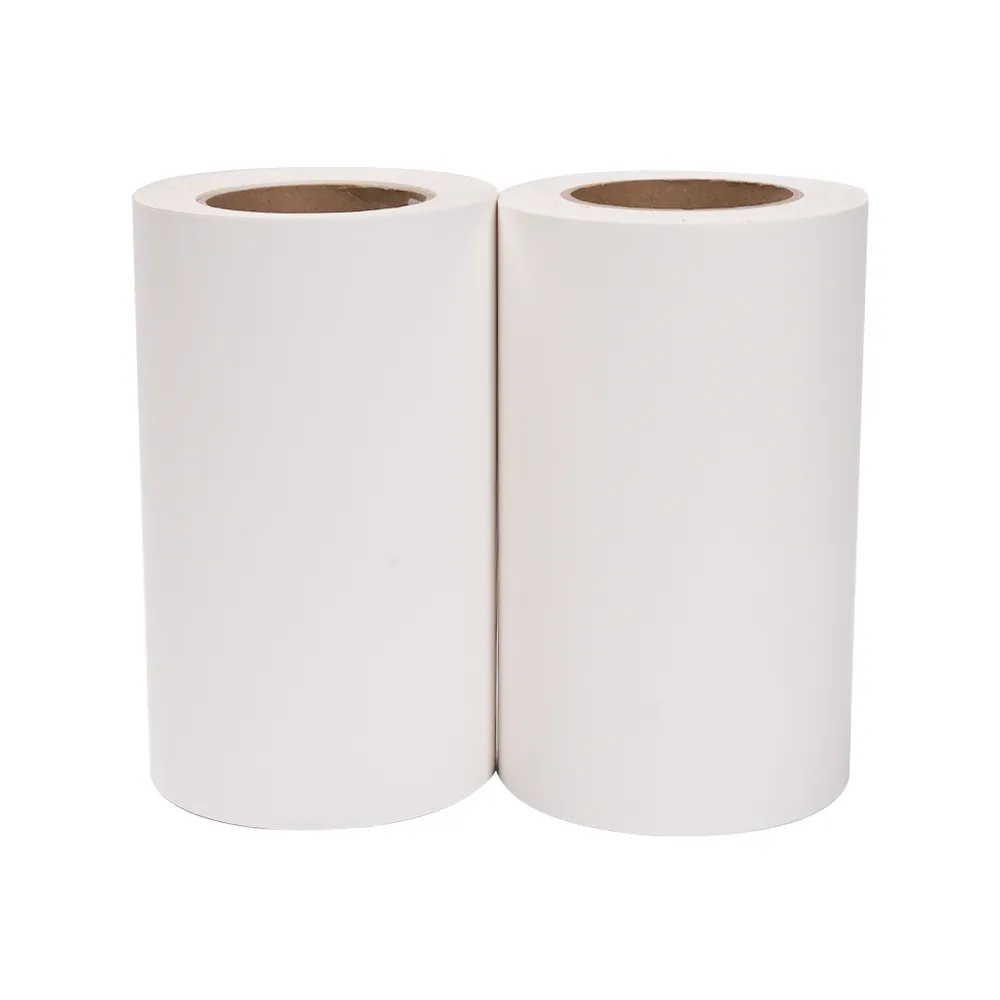
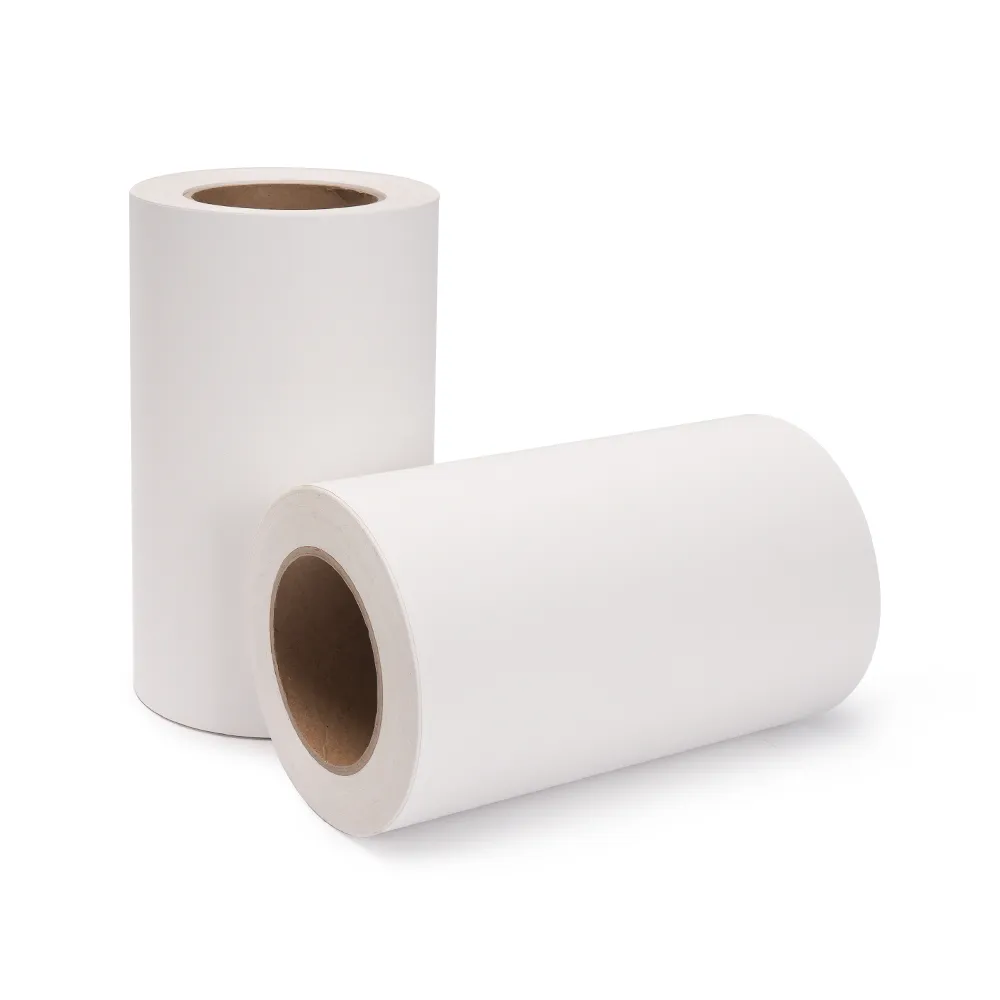
YG Group’s thermal synthetic paper logistics labels use a 75 μm heat-sensitive coated PP synthetic paper facestock and a 60 g/m² white glassine liner. They support direct thermal barcode printing for shipping, tracking and inventory identification. Available adhesive options include emulsion, hot melt and freezer hot melt.
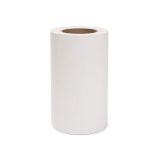
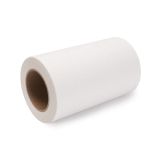
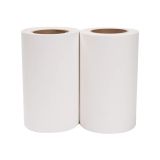
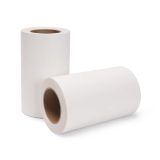
Thermal Synthetic Paper Logistics Label
YG Group's direct thermal PP synthetic paper logistics label features a heat-sensitive coated PP synthetic paper facestock, combined with hot melt or water-based adhesive and a glassine release liner. It supports direct thermal printing without ribbons and offers improved moisture and tear resistance compared to conventional thermal paper labels.
Features:
- Ribbon-free printing with clear barcodes
- Good moisture and tear resistance
- Reliable adhesion for logistics applications
Applications:
- Shipping and tracking labels
- Cold-chain and moisture-prone logistics
- Warehouse and inventory labels
Available Specifications
| Product | Facestock Thickness | Facestock Material | Adhesive | Liner Gsm | Liner Material |
| JCF3001 | 75μm | Thermal Synthetic Paper | Emulsion | 60g | White Glassine |
| JCF2003 | 75μm | Thermal Synthetic Paper | Hot Melt | 60g | White Glassine |
| JCF2015 | 75μm | Thermal Synthetic Paper | Freezer Hot melt | 60g | White Glassine |
*We can provide different customized sizes.
How Thermal Synthetic Paper Labels Work
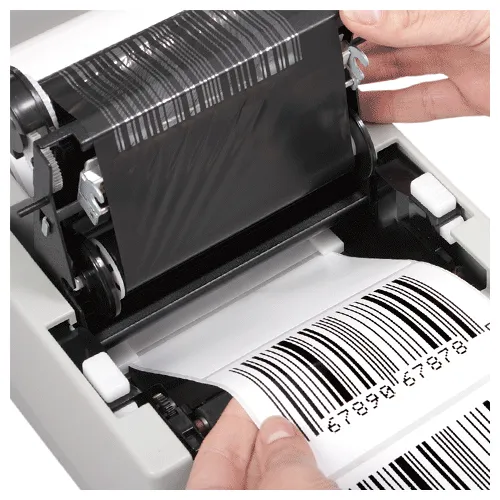
A direct thermal printhead applies heat to the label's heat-sensitive coating, producing text and barcodes without transferring ink from a ribbon. The synthetic facestock forms the supporting layer, while the adhesive attaches the label to the packaging.
The facestock, thermal coating and adhesive perform different functions. A moisture-resistant base material does not automatically make the printed image resistant to water, chemicals or rubbing. Evaluate both label integrity and barcode readability under the intended conditions.
How to Choose Thermal Synthetic Paper Logistics Labels
1. Define the Packaging Surface
Specify corrugated board, coated cartons, plastic bags, stretch wrap or other surfaces. Adhesion should be evaluated on the actual packaging, including any texture, curvature or surface treatment.
2. Separate Labeling and Service Temperatures
The temperature when a label is applied can differ from the temperature it encounters during storage or transport. Provide both conditions, including any condensation or freeze–thaw exposure.
3. Confirm Printer Compatibility
Provide your printer model, print resolution and intended speed. Confirm the accepted media thickness, label dimensions, roll configuration and sensing method before ordering.
4. Define the Required Barcode Life
Specify how long the barcode must remain readable and whether it will encounter sunlight, heat, friction, water, oils or chemicals. Test the printed label under representative conditions.
5. Select the Supply Format
For jumbo rolls, provide converting requirements and roll dimensions. For finished rolls, provide label size, labels per roll, core diameter, maximum outer diameter and winding direction.
Direct Thermal Synthetic Labels vs. Thermal Transfer Logistics Labels
| Comparison | Direct Thermal Synthetic Labels | Thermal Transfer Logistics Labels |
|---|---|---|
| Facestock | 75 μm heat-sensitive PP synthetic paper | 70 g/m² thermal transfer paper |
| Printing Method | Direct thermal | Thermal transfer |
| Ribbon Required | No | Yes |
| Key Features | Ribbon-free printing; moisture- and tear-resistant facestock | Paper-based labels; print durability depends on ribbon selection |
| Applications | Shipping, inventory and moisture-prone logistics; freezer adhesive option for cold-chain evaluation | Shipping, carton identification and warehouse inventory |
Choose direct thermal synthetic labels for ribbon-free printing and greater facestock durability. Choose thermal transfer paper labels for ribbon-based logistics printing. Cold-chain suitability requires confirmation of adhesive and temperature conditions.
Most Popular Products
Direct Thermal Synthetic Label FAQ
Request Synthetic Label Samples or a Quote
Email*
Company*
Message*
Related Articles
View More



We use necessary cookies to operate and secure our website. With your consent, we may also use analytics and advertising cookies to understand website performance, measure marketing campaigns and improve your experience.
You can accept all cookies, reject non-essential cookies or manage your preferences. You can change your choices at any time.