

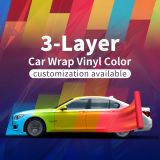
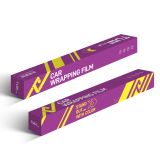
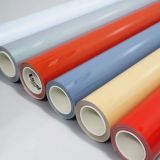
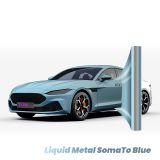
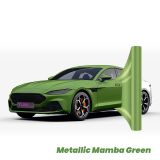
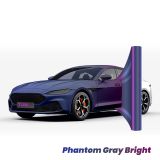
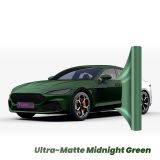
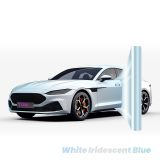
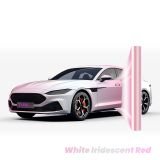
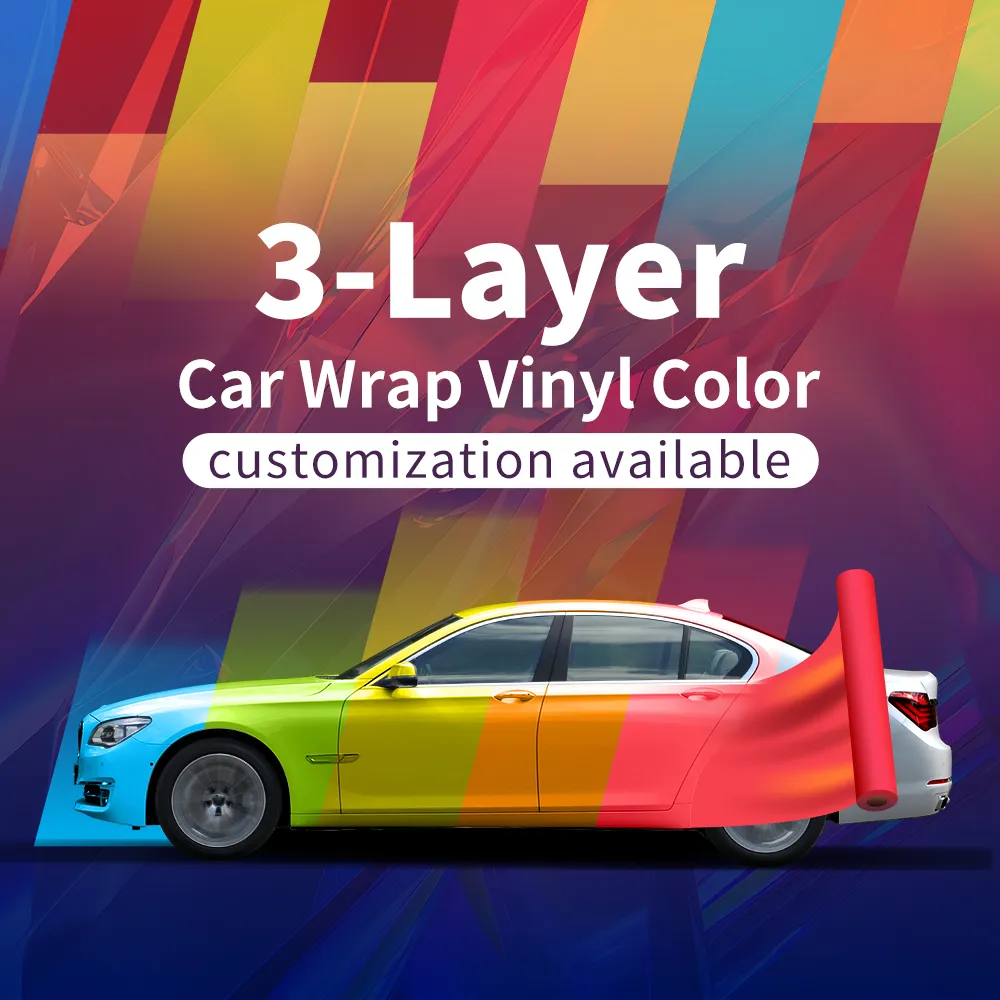
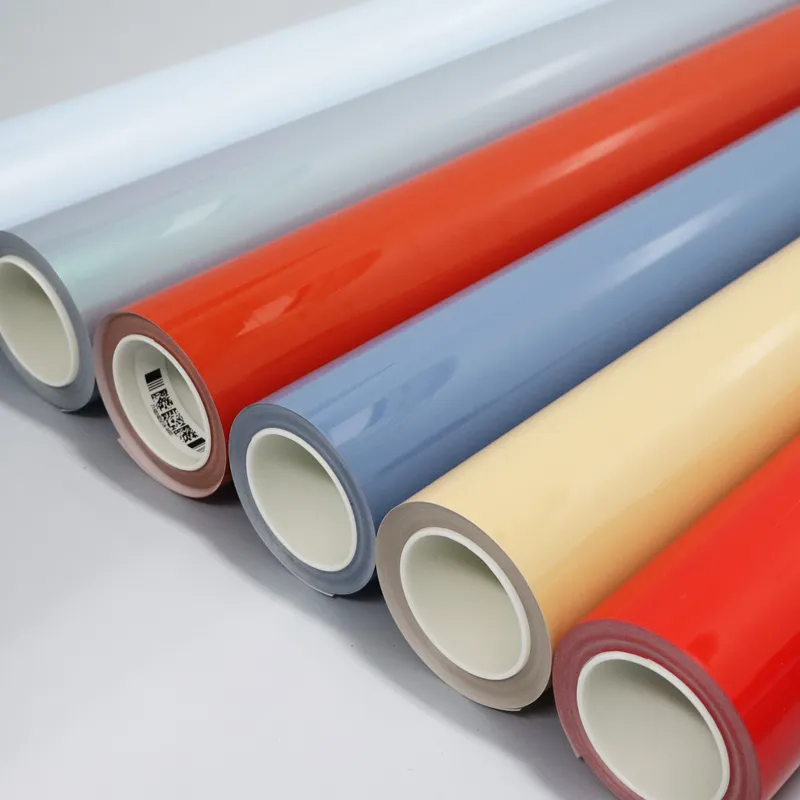
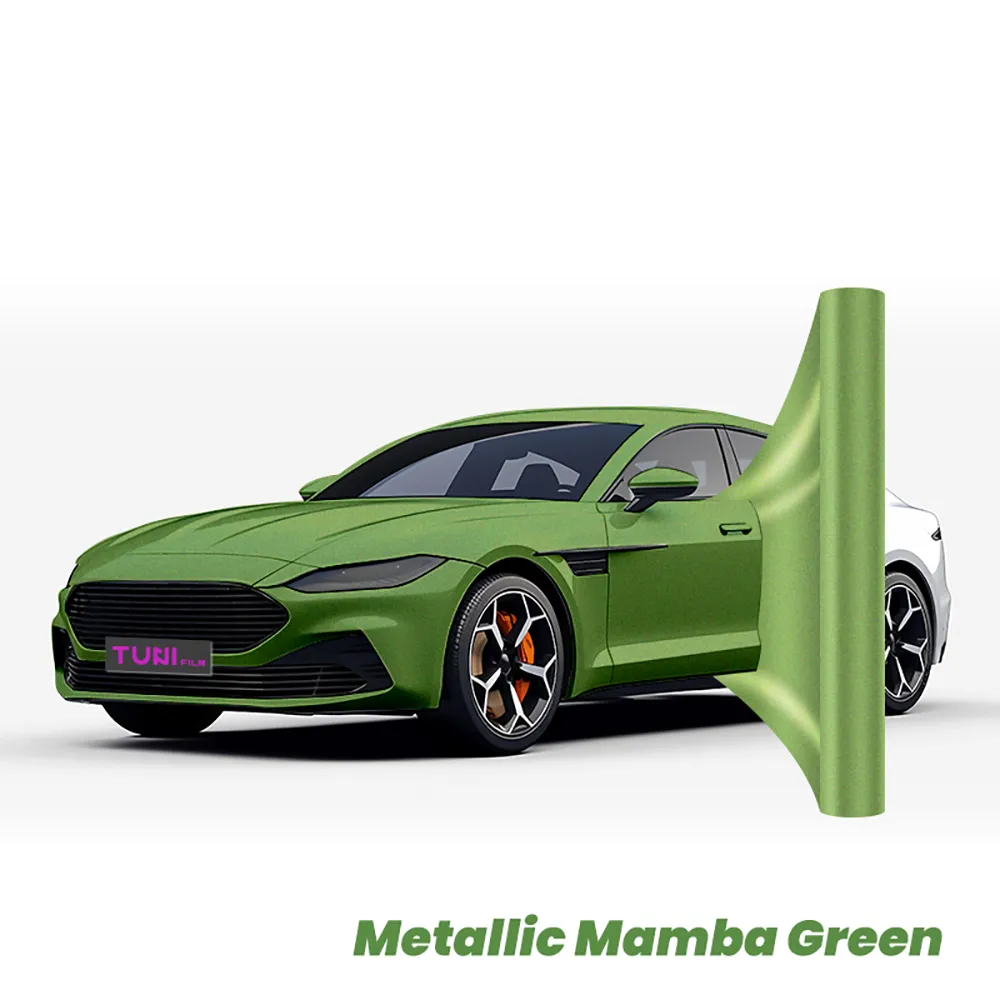
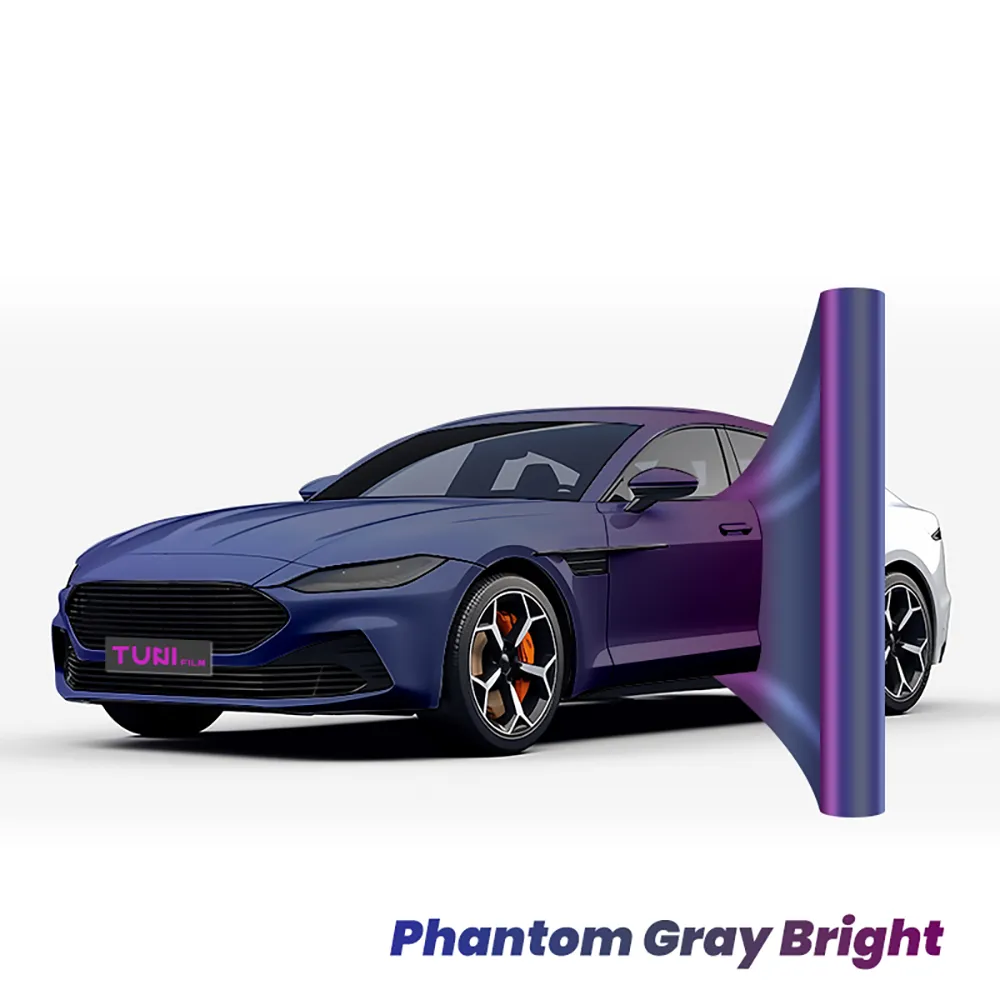
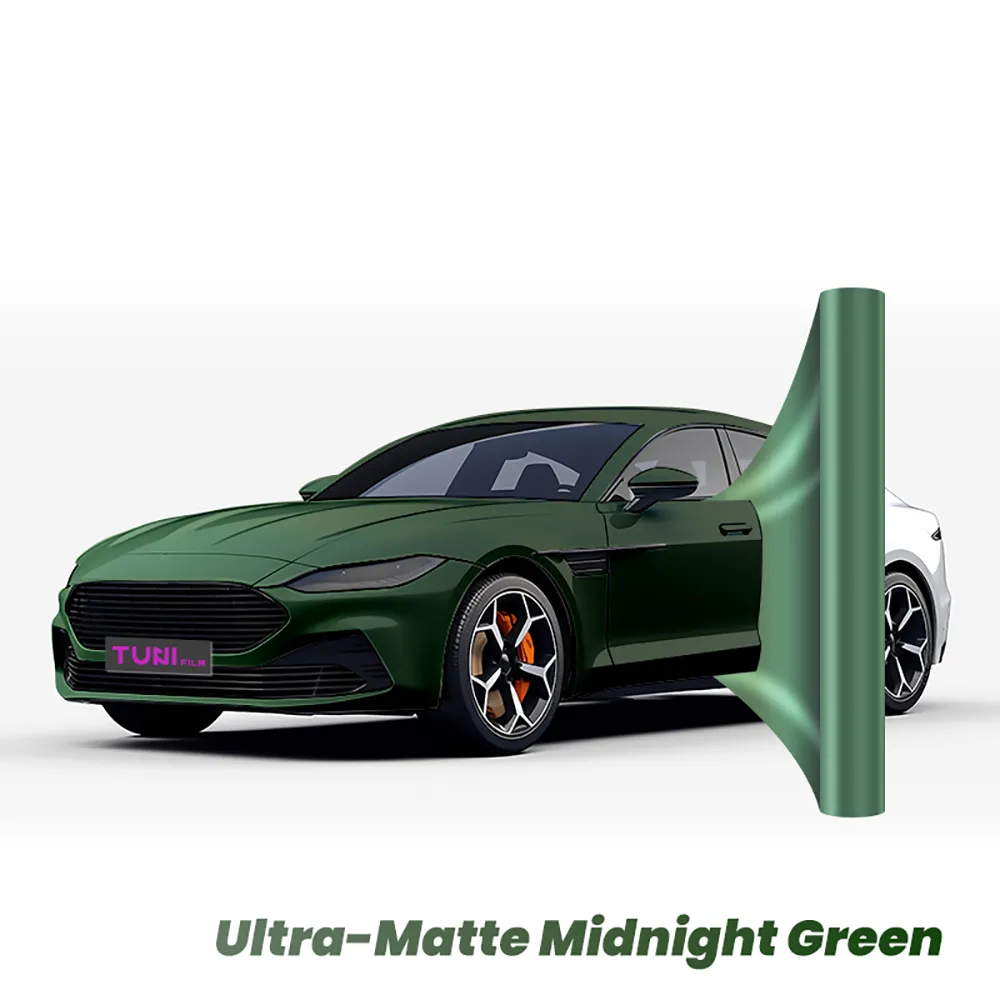
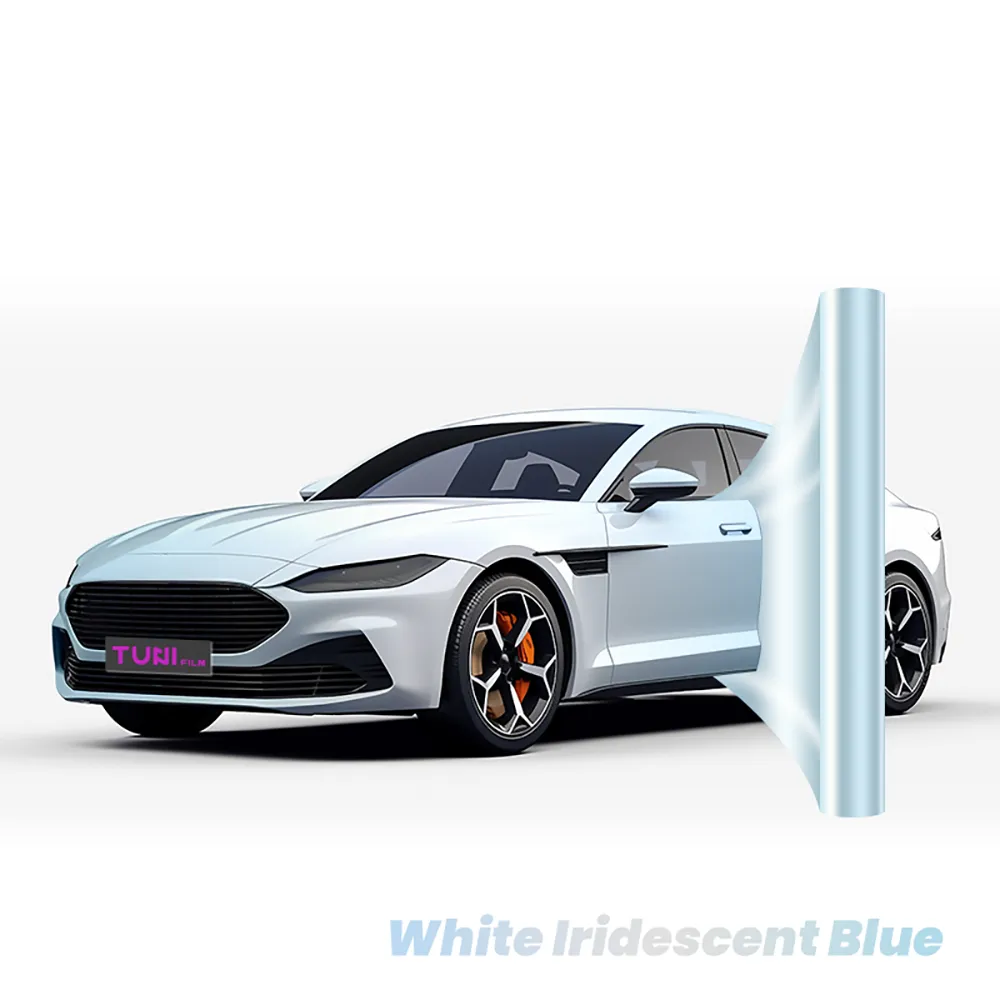
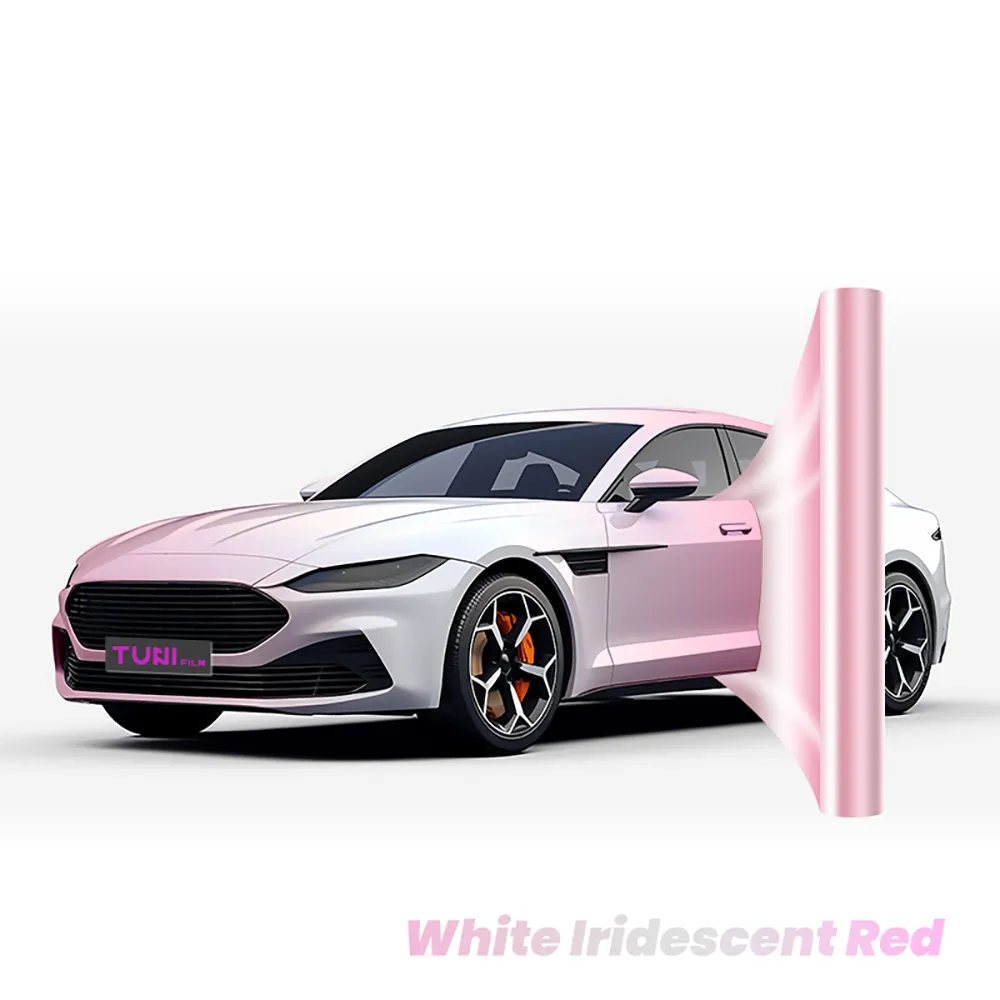
3-Layer Color Wrap Vinyl for Full Vehicle Color Change
Features:
- Three-Layer PVC Construction – Transparent protective layer, color layer and base PVC film in one wrap structure.
- Rich Color Presentation – Dedicated color layer supports defined automotive color appearance.
- Additional Surface Layer – Transparent top layer covers the color layer.
- Vehicle Wrap Application – Designed for full vehicle color change, partial wraps and automotive styling.
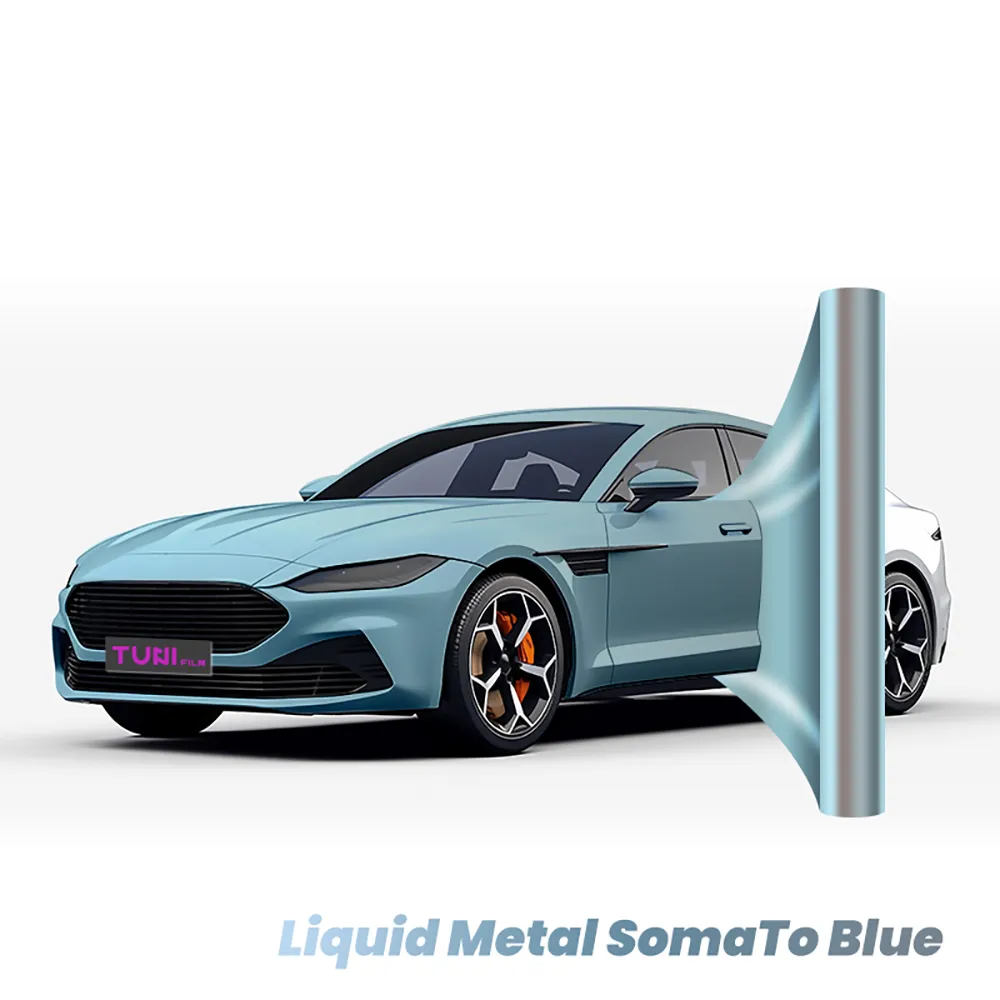
- Multiple Color Options – Different colors and visual effects available by series.
Applications:
- Full vehicle color change
- Partial vehicle wrapping
- Commercial vehicle color styling
- Fleet color identification
- Automotive styling and customization

Representative Technical Specification
| Model | Face Material | Face Film Thickness | Adhesive Layer Thickness | Release Liner Thickness |
Heat Shrinkage – MD | Heat Shrinkage – TD |
| VP162 | PVC | 135μm | 35±3μm | 105μm |
0–0.5% | 0–0.4% |
*The specifications above represent one available 3-layer color wrap vinyl construction. Film thickness, adhesive structure, release liner and other specifications may vary by product grade and color series.
Why Choose a 3-Layer Color Wrap Vinyl?
The main difference between 3-layer color wrap vinyl and a conventional single-layer color film is the multi-layer face-film construction.
The three-layer design separates the protective surface, color layer and supporting base film into different functional layers.
This structure is suitable for vehicle wrap applications where customers require:
- Rich color presentation
- Additional surface protection
- Stable film construction
- Full vehicle color change
- Partial vehicle styling
- Commercial vehicle decoration
The final application result depends on the vehicle surface, installation method, ambient conditions and installer technique.
How to Choose a Color Wrap Vinyl
Choose the film according to the vehicle application rather than color alone.
1. Confirm the Coverage Area
Determine whether the project is:
- Accent wrap
- Partial vehicle wrap
- Full vehicle wrap
2. Evaluate the Vehicle Shape
Flat panels require different film performance from deep curves, bumpers and recessed channels.
3. Confirm the Required Appearance
Select the color and visual effect according to the final vehicle design.
4. Review the Film Structure
A three-layer construction may be preferred when the project requires a separate protective surface and color layer.
5. Check Dimensional Stability
Review heat-shrinkage and other technical data when dimensional performance is important.
6. Test Before Bulk Application
Sample testing is recommended on the actual vehicle surface before large-scale installation.
FAQ
What is 3-layer color wrap vinyl?
What is the advantage of a 3-layer PVC color wrap vinyl?
Is 3-layer color wrap vinyl suitable for full vehicle wrapping?
Can it be used on curved vehicle surfaces?
What thickness is available?
How long does color wrap vinyl last outdoors?
Can it be used for partial vehicle wrapping?
How do I choose the right product grade?
Compare Color Wrap Vinyl Options
Request Samples or a Quotation
News
View More